





Zinnias
Zinnia
Zinnias are bright and cheerful flowers that come in many colors like red, pink, yellow, and orange. They are easy to grow and attract butterflies, making gardens look beautiful and lively!
Habitat: Gardens
The Zinnia has incredibly vibrant, often multi-petaled flowers that come in nearly every color imaginable, from fiery reds to brilliant purples. Its blossoms can be daisy-like, pom-pom shaped, or resemble dahlias, sitting atop sturdy green stems with opposing leaves. This diversity makes it a standout in any garden.
Category
PlantsRarity
Common
Danger
1/5 · Very low
Snaps
Be the first to snap!
These cheerful flowers are often used by artists and designers for their wide color palette.
They are a symbol of lasting affection, friendship, and remembrance.
Zinnias are named after Johann Gottfried Zinn, a German botanist who first described them!
Zinnias come in single, double, and semi-double petal forms, looking like many different flowers!
Zinnias can rapidly produce new flowers if old ones are removed, helping them keep blooming and attract more pollinators all season long.
Zinnias have bright, diverse colors and nectar-rich centers that act like a visual target, drawing in many different insects to help with pollination.
Zinnias have strong stems and drought-tolerant qualities, allowing them to thrive even in hot, sunny conditions where other plants might wilt.
Apis mellifera
Collects nectar and pollen
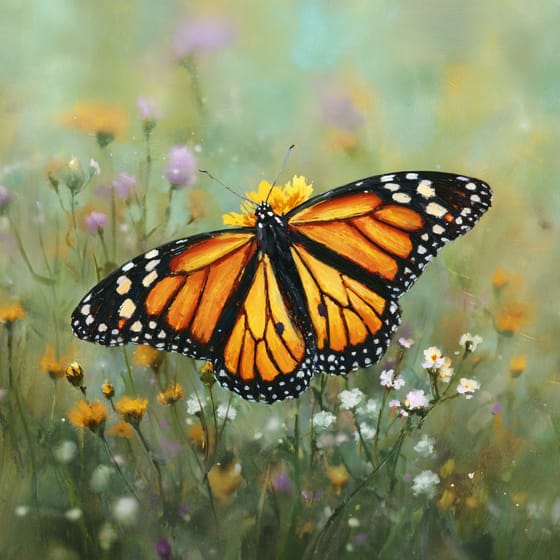
Danaus plexippus
Feeds on sweet nectar
Bombus impatiens
Gathers pollen and nectar
.JPG&width=800)
Sylvilagus floridanus
May nibble on young leaves
Flowering plants are any plants that produce flowers as part of their reproductive cycle.
Ornamental plants are cultivated primarily for their aesthetic appeal, enhancing landscapes and gardens with their attractive foliage, flowers, or form.
A shrub is a woody plant smaller than a tree, typically with multiple stems branching from or near the ground.
Summer blooming plants produce their flowers during the summer season, often providing vibrant color when many other plants have finished.

Fragrant flowers emit a pleasant aroma, often to attract pollinators or for defense.

Colorful describes organisms or objects displaying a wide range of bright and distinct colors.

Describes plants that are particularly attractive and beneficial to a wide range of pollinating organisms.

Rapid growing plants exhibit accelerated growth rates, quickly increasing in size and biomass within a short period.

This habitat trait indicates species that can coexist with humans in urban and suburban environments, utilizing man-made structures and green spaces.
Danger
1/5 · Very low
Always ask an adult before picking flowers, and be gentle with plants.
The easiest way to identify Zinnias is to use the Snappit nature identifier app.
15-120 cm
20-60 cm
2-15 cm
Summer to first frost
Yes
None
Annual
Zoom in to split clusters and explore where this object has been snapped.
Recent snaps will appear here as new observations are added.
Take the discovery with you
Snap it with Snappit to identify it, learn what makes it special, and add the discovery to your collection.










.jpg&width=800)


_001.jpg&width=800)




