



Rye
Secale cereale
Rye is a hardy grass that grows tall and produces grain. It’s often used to make bread and is great for the soil!
Habitat: Farms and fields
The Rye is a tall, slender grass with bluish-green leaves and sturdy, hollow stems. As it matures, its distinctive elongated, bristly seed head ripens, transforming from a pale green to a golden-brown hue.
Category
PlantsRarity
Common
Danger
1/5 · Very low
Snaps
Be the first to snap!
Early European settlers brought rye to America for their bread.
It’s one of the oldest grains, cultivated for thousands of years!
Rye can stand taller than most kids, reaching up to 6 feet!
Rye flour makes bread taste wonderfully tangy and hearty.
Rye can grow in surprisingly cold temperatures and even under snow, allowing it to thrive where other grains struggle.
Its deep, fibrous roots prevent soil erosion and add organic matter, making the earth healthier for future plants.
Rye has excellent drought resistance, meaning it can find water and survive even when the soil is very dry.
Homo sapiens
a staple food for many cultures
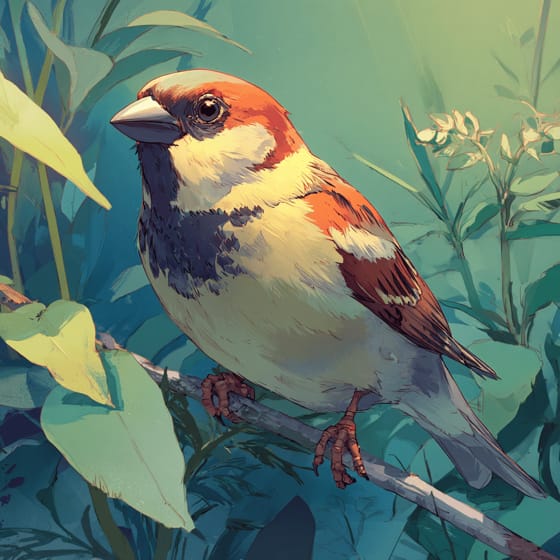
Passer domesticus
eats seeds from the ripe grain heads
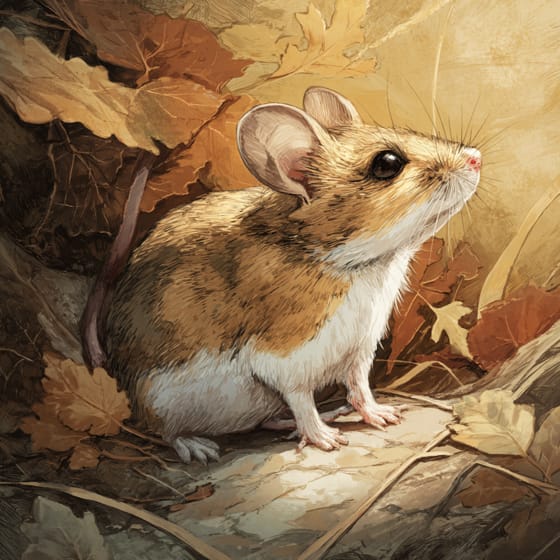
Peromyscus maniculatus
dense rye fields provide cover and food
Ostrinia nubilalis
larvae can bore into rye stems
Drought-tolerant plants can survive and flourish in conditions with limited water availability.
This human use trait denotes species cultivated as grain crops, harvested for their edible dry seeds (grains), which are a staple food source.
Grassland habitats are terrestrial biomes dominated by grasses and herbaceous plants, supporting a variety of grazing animals.
Rapid growing plants exhibit accelerated growth rates, quickly increasing in size and biomass within a short period.
Danger
1/5 · Very low
Explore with care and ask an adult if you’re unsure what to do.
100-200 cm
10-30 cm
Late spring to early summer
Yes
None
Annual
Wind
Farms and fields
Zoom in to split clusters and explore where this object has been snapped.
Recent snaps will appear here as new observations are added.