





chicory
Cichorium intybus
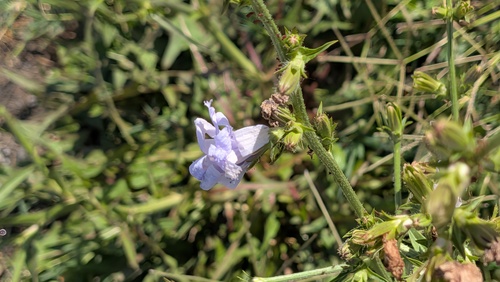
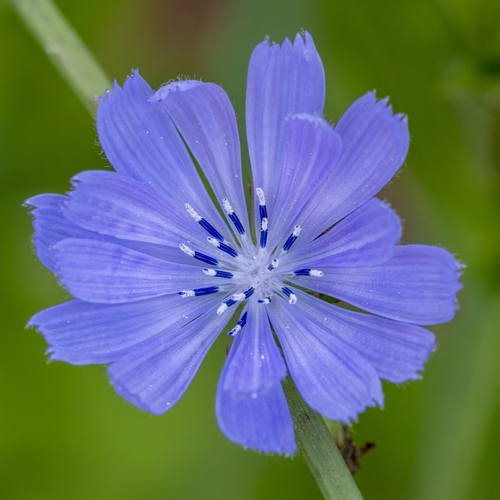
Chicory is a bright blue flower that grows in fields and along roads. Its pretty petals open up in the morning sun and close at night. People can use its leaves in salads or make a drink from its roots!
Habitat: Grasslands
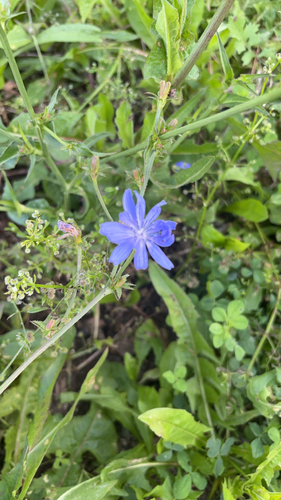
The chicory has striking sky-blue daisy-like flowers, often with jagged petals, that perch on stiff, branching stems. Its lance-shaped leaves grow mainly at the base, forming a rosette. These vibrant blossoms stand out in fields and roadsides.
Category
PlantsRarity
Common
Danger
1/5 · Very low
Snaps
158
Chicory flowers magically open in the morning light and close again by afternoon!
Its roasted roots can make a coffee-like drink, popular in some parts of the world!
People have enjoyed chicory as a vegetable and medicine for thousands of years!
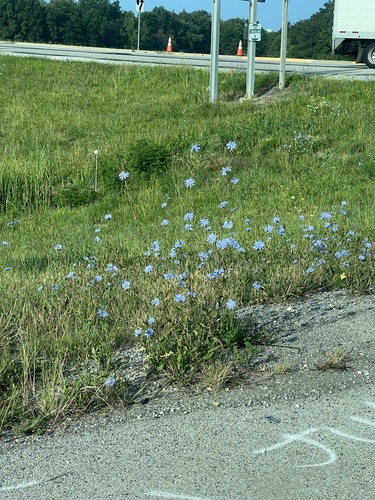
You'll often spot bright blue chicory flowers bravely growing along sunny roadsides!
Chicory's flowers follow the sun, opening in morning light and closing by afternoon, which helps maximize light exposure for pollinators.
Chicory has a deep taproot that stores energy, helping it survive dry spells and quickly regrow.
Chicory leaves contain bitter compounds that deter some herbivores, protecting them from being eaten.
Apis mellifera
Collects nectar and pollen from its blue flowers.
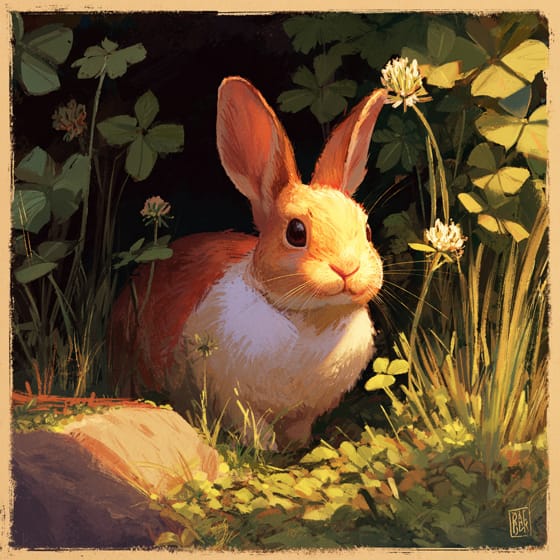
Oryctolagus cuniculus
Browses on its leaves and young shoots.
Aphis fabae
Sucks sap from chicory stems and leaves.
Flowering plants are any plants that produce flowers as part of their reproductive cycle.
Summer blooming plants produce their flowers during the summer season, often providing vibrant color when many other plants have finished.
Medicinal plants possess chemical compounds that can be used for therapeutic purposes to treat illnesses or maintain health.
This human use trait describes species cultivated or domesticated by humans for agricultural purposes, including crops and livestock.

Edible plants are those parts of a plant that are considered safe for human consumption.

Grassland habitats are terrestrial biomes dominated by grasses and herbaceous plants, supporting a variety of grazing animals.

Describes plants that are particularly attractive and beneficial to a wide range of pollinating organisms.
No aliases listed yet.
Danger
1/5 · Very low
Always check with an adult before picking or eating any wild plants.
The easiest way to identify chicory is to use the Snappit nature identifier app.
30-150 cm
30-60 cm
2-4 cm
Summer to fall
Yes
None
Perennial
Zoom in to split clusters and explore where this object has been snapped.
Jun 19, 2026
East Potomac ParkPhoto attribution
(c) Martin Kalfatovic, some rights reserved (CC BY)
License: CC BY 4.0 ↗
Image may be shown cropped inside the card frame.
Jun 3, 2026
Murphey Candler ParkPhoto attribution
(c) Dan Vickers, some rights reserved (CC BY)
License: CC BY 4.0 ↗
Image may be shown cropped inside the card frame.
May 31, 2026
Columbus Near East Side DistrictPhoto attribution
(c) Jesse Oliver Burger, some rights reserved (CC BY-SA)
License: CC BY-SA 4.0 ↗
Image may be shown cropped inside the card frame.
Jul 25, 2023
Greenup Commercial Historic DistrictPhoto attribution
no rights reserved
License: CC0 1.0 ↗
Image may be shown cropped inside the card frame.

California, US
You might spot Redwood, Pacific Trillium, and Evergreen Huckleberry.
View guide →

Illinois, US
You might spot Chicory, Hackberry Emperor, and Compass Plant.
View guide →
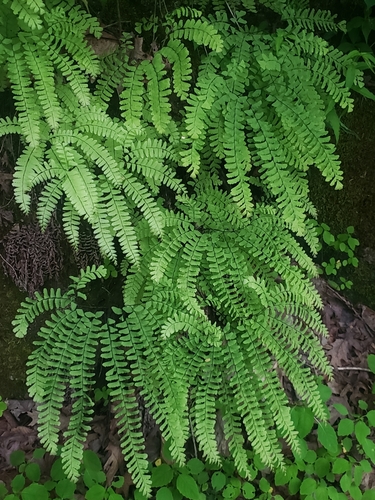
Iowa, US
You might spot Northern Maidenhair Fern and Wood Nettle.
View guide →

Ohio, US
You might spot Spotted Lanternfly and White-Tailed Deer.
View guide →

Maryland, US
You might spot American Cancer-Root and Rue Anemone.
View guide →
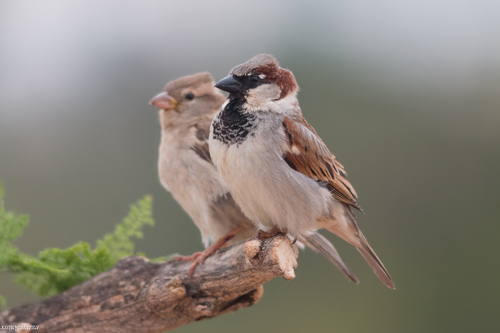
Pennsylvania, US
You might spot House Sparrow, Spotted Lanternfly, and American Robin.
View guide →
Take the discovery with you
Snap it with Snappit to identify it, learn what makes it special, and add the discovery to your collection.










.jpg&width=800)



_001.jpg&width=800)



