




Arctic Tern
Sterna paradisaea
The Arctic Tern is a small, graceful bird that migrates long distances every year. It's known for its beautiful white and gray feathers!
Habitat: Coastal areas and open oceans
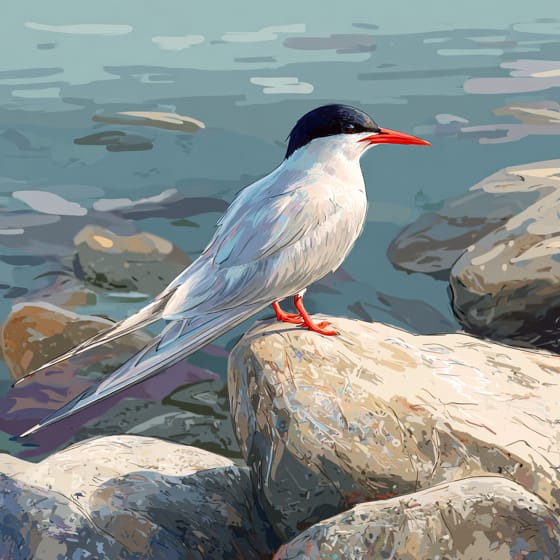
The Arctic Tern has a striking grey back, white underparts, and a distinct black cap atop its head. It features a bright red bill and short, red legs, appearing streamlined with long, pointed wings that aid its incredible flight.
Category
BirdsRarity
Rare
Danger
2/5 · Low
Snaps
Be the first to snap!
Arctic Terns see more daylight than any other animal on Earth, thanks to their pole-to-pole migration!
Arctic Terns sometimes nest very close to fierce predators like snowy owls, using them for protection!
Their bright red bill gets even more vibrant during breeding season, signaling their health and readiness.
They can drink saltwater, using special glands in their heads to filter out the excess salt.
Arctic Terns can fly over 70,000 km each year, traversing from pole to pole, which helps them experience two summers annually.
Arctic Terns can dive rapidly into the water to snatch fish, using their sharp eyesight and streamlined bodies to hunt effectively.
Arctic Terns can fiercely defend their nests by dive-bombing intruders, using sharp bills to deter predators.
These graceful birds mainly eat small fish and tiny sea creatures they catch from the ocean.
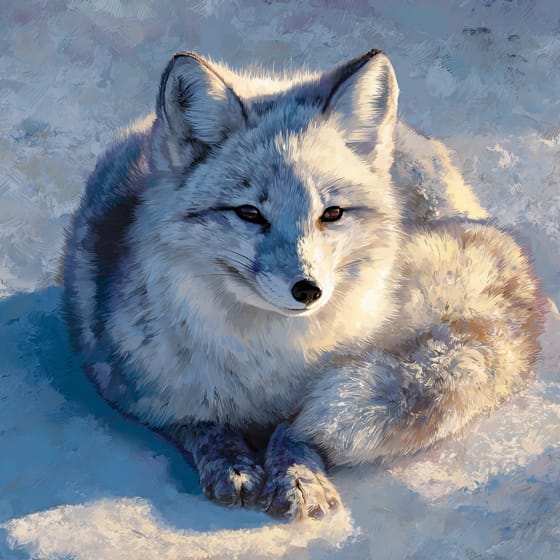
Vulpes lagopus
Hunts eggs and chicks in nesting colonies.
Larus hyperboreus
Preys on eggs and young terns in coastal colonies.
Mallotus villosus
Major food source, caught by plunge-diving into water.
Ammodytes marinus
Often targeted prey fish in shallow coastal waters.
Wildlife encompasses all undomesticated animal and plant life existing in their natural habitats.
Feathered describes animals, primarily birds, possessing a covering of feathers.
Aerial creatures spend a significant portion of their lives airborne, utilizing flight for various activities such as hunting, migration, or nesting.
Piscivorous organisms are animals that primarily subsist on a diet of fish.

This trait characterizes organisms with an exceptionally long lifespan compared to others of their kind.

Coastal habitats are dynamic environments located along the interface between land and sea, influenced by tides, waves, and saltwater.

Migratory animals undertake seasonal movements from one region to another, typically in response to changes in climate or food availability.
Danger
2/5 · Low
Watch quietly from a distance and never try to feed or chase wild animals.
33-39 cm
76-85 cm
0.086-0.125 kg
15-30 years
60 km/h
These graceful birds mainly eat small fish and tiny sea creatures they catch from the ocean.
Coastal areas and open oceans
Pursuit
Zoom in to split clusters and explore where this object has been snapped.
Recent snaps will appear here as new observations are added.