





Cockatiel
Nymphicus hollandicus
The Cockatiel is a small parrot with a cheerful crest on its head. They are playful and love to sing and whistle!
Habitat: Grasslands and forests
The Cockatiel has a sleek grey body with distinctive white patches on its wings and a prominent, often bright yellow, crest on its head. Most striking are the vibrant orange cheek patches, contrasting with their generally muted body feathers and long, pointed tail.
Category
BirdsRarity
Common
Danger
2/5 · Low
Snaps
Be the first to snap!
Cockatiels are the smallest members of the cockatoo family, making them unique little parrots!
Cockatiels can rotate their heads almost 180 degrees to keep a sharp lookout for danger!
Male Cockatiels often sing to their mates and share duties, helping incubate eggs.
Their scientific name, Nymphicus hollandicus, means 'Nymph of New Holland' — Australia!
Cockatiel has a mobile crest that helps them communicate mood, raising it when excited or lowering it when relaxed.
Cockatiel can crack tough seeds because of their strong, hooked beak that helps them access nutritious food.
Cockatiel has keen hearing that helps them detect approaching predators and locate flock members.
Cockatiel can fly long distances to find water and food, helping them survive in unpredictable environments.
Cockatiels mainly feast on seeds, but also munch on fruits and berries.
Aquila audax
A large raptor that preys on adult cockatiels.
Morelia spilota
Snakes can ambush cockatiel chicks and eggs in nests.
Triodia spinifex
Cockatiels primarily feed on its seeds in arid regions.
Acacia aneura
They forage for seeds and find shelter in these trees.
Wildlife encompasses all undomesticated animal and plant life existing in their natural habitats.
Feathered describes animals, primarily birds, possessing a covering of feathers.
Crested describes animals possessing a prominent tuft of feathers, hair, or skin on their head.
Social animals live in organized groups, cooperating for survival benefits such as foraging, defense, and raising offspring.

This trait identifies organisms whose diet includes both plant and animal matter.

Singing animals produce complex vocalizations, often for purposes of attracting mates, defending territory, or communicating within their species.

Grassland habitats are terrestrial biomes dominated by grasses and herbaceous plants, supporting a variety of grazing animals.
Danger
2/5 · Low
Watch quietly from a distance and never try to feed or chase wild animals.
The easiest way to identify Cockatiel is to use the Snappit nature identifier app.
30-33 cm
30-45 cm
0.08-0.12 kg
10-14 years
50 km/h
Cockatiels mainly feast on seeds, but also munch on fruits and berries.
Grasslands and forests
Zoom in to split clusters and explore where this object has been snapped.
Recent snaps will appear here as new observations are added.
Florida, US
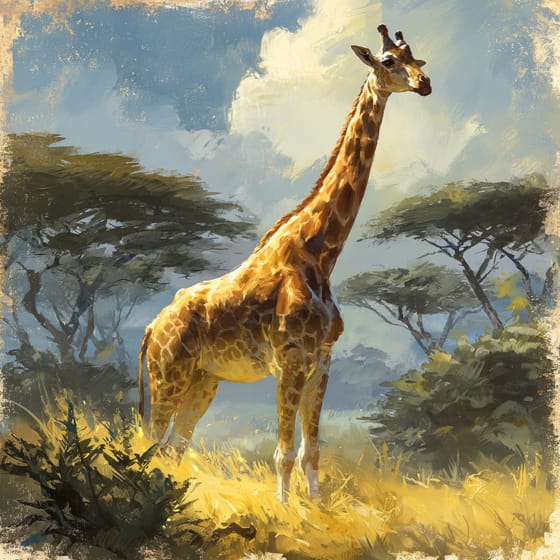
You might spot Giraffes, Rhinoceroses, and Zebra.
View guide →

Hawaii, US
You might spot Bottlenose Dolphin, Sea Lion, and Sea Turtle.
View guide →
Hawaii, US
You might spot Bottlenose Dolphin, Sea Lion, and Sea Turtle.
View guide →
Take the discovery with you
Snap it with Snappit to identify it, learn what makes it special, and add the discovery to your collection.




.jpg&width=800)










