





Blackcap
Sylvia atricapilla
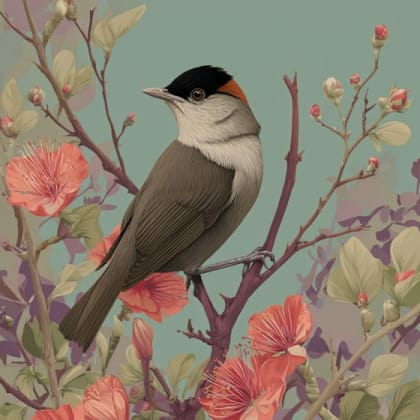
The Blackcap is a small, friendly bird with a lovely song. It has a smooth, gray body and a black or brown cap on its head, depending on the gender.
Habitat: Woodlands and gardens
The Blackcap is a small, plump warbler with greyish-olive plumage. Males have a distinct glossy black cap, while females and juveniles have a reddish-brown cap. It has a plain face and greyish legs.
Category
BirdsRarity
Common
Danger
1/5 · Very low
Snaps
3
A Blackcap's cap color tells you if it's a boy (black) or a girl (brown)!
Some Blackcaps have started migrating west to the UK for winter food.
Their beautiful song gives them the nickname 'Northern Nightingale'!
They use spider silk to help weave their nests together, making them strong!
Blackcap can produce a complex, fluting song because of its specialized vocal cords, which helps them attract mates.
Blackcap has exceptional vision that helps them spot ripe berries from a distance, crucial for their diet.
Blackcap can sense Earth's magnetic field, helping them navigate vast distances during seasonal migrations.
Feeds on insects, berries, and fruits, adapting its diet through the seasons.
Prunus avium
Feasts on ripe cherries, aiding seed dispersal.
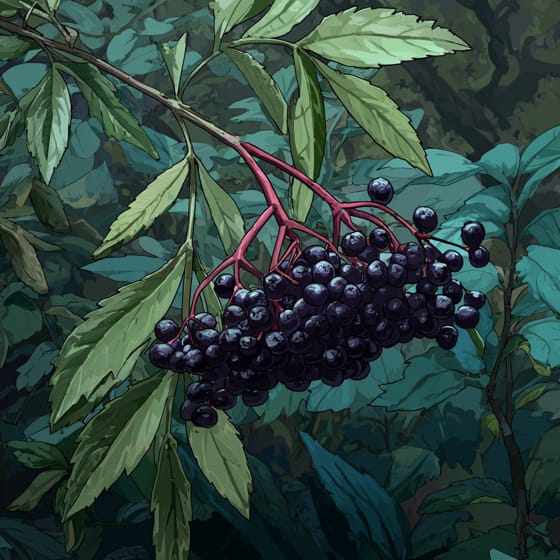
Sambucus nigra
Consumes elderberries, a vital autumn food source.
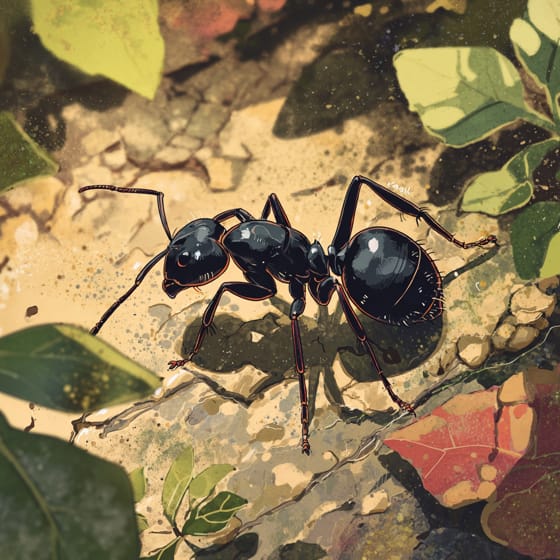
Lasius niger
Preys on adult ants and their larvae for protein.

Accipiter nisus
A swift raptor that preys on small woodland birds.
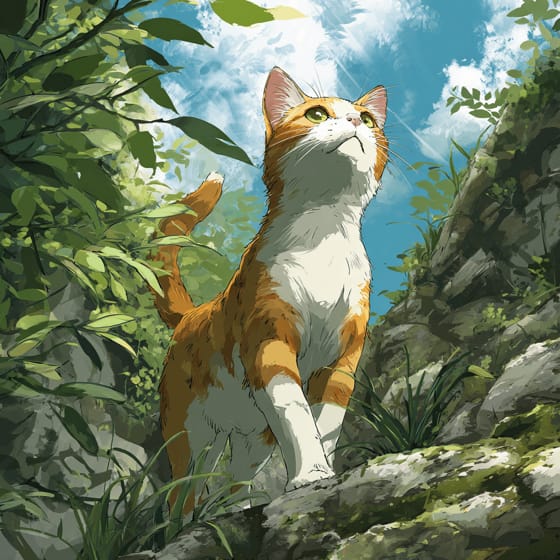
Felis catus
Domestic cats are common predators in garden habitats.
Wildlife encompasses all undomesticated animal and plant life existing in their natural habitats.
Feathered describes animals, primarily birds, possessing a covering of feathers.
Social animals live in organized groups, cooperating for survival benefits such as foraging, defense, and raising offspring.
This trait identifies organisms whose diet includes both plant and animal matter.

Singing animals produce complex vocalizations, often for purposes of attracting mates, defending territory, or communicating within their species.

Forest habitats are terrestrial environments dominated by dense tree cover, supporting a high diversity of plant and animal life.

Migratory animals undertake seasonal movements from one region to another, typically in response to changes in climate or food availability.
Danger
1/5 · Very low
Blackcaps are gentle and not harmful. Enjoy watching them from a distance!
The easiest way to identify Blackcap is to use the Snappit nature identifier app.
13-15 cm
20-23 cm
0.014-0.02 kg
2-5 years
35 km/h
Feeds on insects, berries, and fruits, adapting its diet through the seasons.
Woodlands and gardens
Zoom in to split clusters and explore where this object has been snapped.
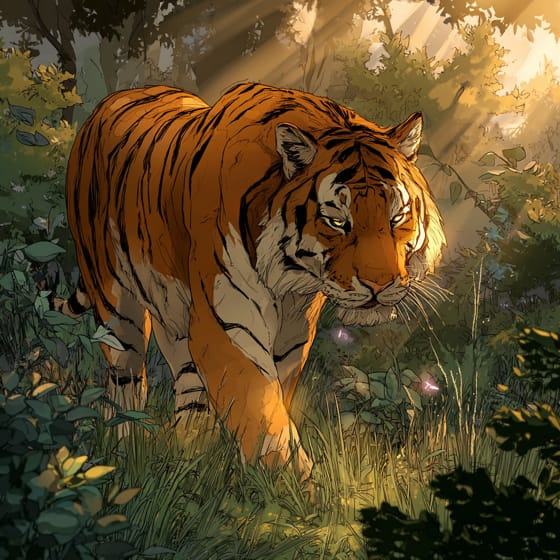
Andalusia, ES
You might spot Tiger, African Lion, and Delonix.
View guide →
England, UK
You might spot Carpathian Lynx, Deer, and Visayan Warty Pig.
View guide →

Florida, US
You might spot Macaques, Squirrel Monkeys, and Blackcap.
View guide →

Occitania, FR
You might spot Grévy's Zebra, Giraffes, and Cheetahs.
View guide →
Spain, ES
You might spot Vestal, Eurasian Collared-Dove, and Common Blackbird.
View guide →
Take the discovery with you
Snap it with Snappit to identify it, learn what makes it special, and add the discovery to your collection.




.jpg&width=800)








