






Saltwater Crocodile
Crocodylus porosus
The Saltwater Crocodile is the largest living reptile! They can be found in both saltwater and freshwater environments.
Habitat: Coastal areas, rivers, and swamps
The Saltwater Crocodile is the largest living reptile, known for its massive, powerful body, broad snout, and rough, scaly skin. Its coloration ranges from dark olive-green to brown, often with lighter patches, and a creamy-yellow belly, helping it blend into muddy waters.
Category
ReptilesRarity
Rare
Danger
5/5 · Extreme
Snaps
Be the first to snap!
Baby crocodiles communicate with chirps and grunts while still in their eggs!
Saltwater Crocodiles swallow stones to help digest food and dive deeper!
They can hold their breath underwater for over an hour!
They have been around for millions of years, even outliving many dinosaurs!
Saltwater Crocodile has the strongest bite force in the animal kingdom that helps them crush bones and subdue large prey.
Saltwater Crocodile can see clearly underwater because of special nictitating membranes that protect its eyes while submerged.
Saltwater Crocodile has specialized salt glands on its tongue that helps them excrete excess salt and live in marine environments.
Saltwater Crocodile can perform a powerful 'death roll' because it helps them tear flesh from large prey or dismember carcasses.
They are mighty hunters, eating everything from fish and birds to large mammals!
Bubalus bubalis
A primary prey for large adult crocodiles.
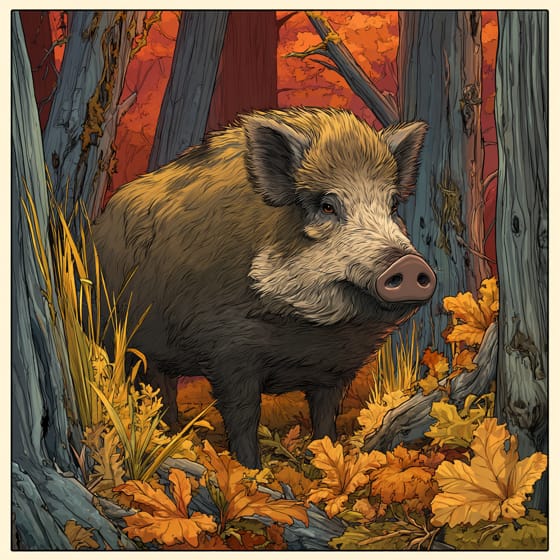
Sus scrofa
Often ambushed near water sources.
Ardea alba
Eats birds that come to the water's edge.
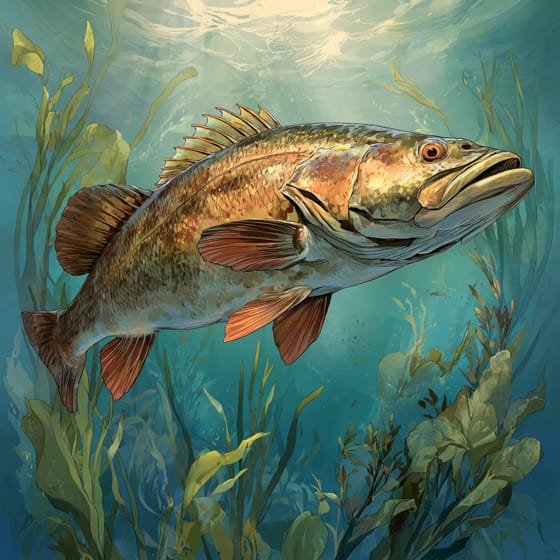
Lates calcarifer
A common fish species in their diet.
Wildlife encompasses all undomesticated animal and plant life existing in their natural habitats.
Solitary animals live alone for most of their lives, only interacting with others for mating or parental care.
An ambush predator hunts by patiently waiting and concealing itself, then launching a sudden attack when unsuspecting prey comes within range.
Coastal habitats are dynamic environments located along the interface between land and sea, influenced by tides, waves, and saltwater.

This trait identifies organisms whose diet consists entirely or primarily of animal tissue.

Aquatic habitats encompass environments where organisms live predominantly in water, including oceans, rivers, lakes, and wetlands.

Giant describes organisms or objects of significantly larger size than average for their species or type.

Nocturnal animals are primarily active during the nighttime hours, typically resting or sleeping during the day.
Danger
5/5 · Extreme
Look but don’t touch. Keep a safe distance and wash hands after exploring.
400-630 cm
400-1000 kg
70-100 years
12 km/h
They are mighty hunters, eating everything from fish and birds to large mammals!
29 km/h
Coastal areas, rivers, and swamps
Ambush
Zoom in to split clusters and explore where this object has been snapped.
Recent snaps will appear here as new observations are added.


















