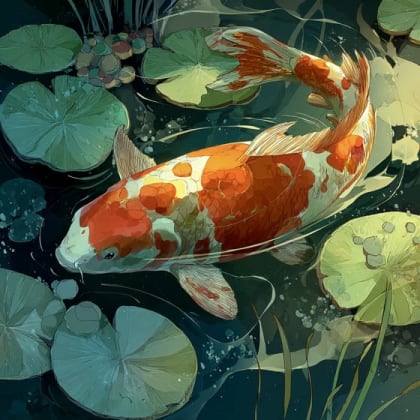



White Crappie
Pomoxis annularis
The White Crappie is a speckled fish that enjoys swimming in groups. It has a light color with dark spots!
Habitat: Lakes and rivers
The White Crappie has a deep, compressed body with a silvery-white color and several distinct vertical black bars or spots along its sides. It possesses a spiny dorsal fin and large eyes. Its slender head points to a slightly upturned mouth.
Category
FishRarity
Common
Danger
2/5 · Low
Snaps
Be the first to snap!
A group of crappies is often called a school, and they stick together for safety.
Male crappies build and guard underwater nests to protect their eggs and young fish.
Their name 'crappie' comes from the French-Canadian word 'crapet', meaning 'small fish'.
White Crappies are sometimes called 'papermouths' because their mouths are very delicate.
White Crappie has large eyes that help them hunt small prey during low-light conditions at dawn and dusk.
White Crappie can blend into submerged logs and plants because of their mottled pattern, helping them ambush prey.
White Crappie has a deep, disc-shaped body that helps them turn quickly and navigate dense underwater structures.
White Crappies are agile predators that munch on small aquatic critters they find in the water.
Age differences: Young crappies primarily eat zooplankton and insect larvae; adults prefer larger insects and small fish.
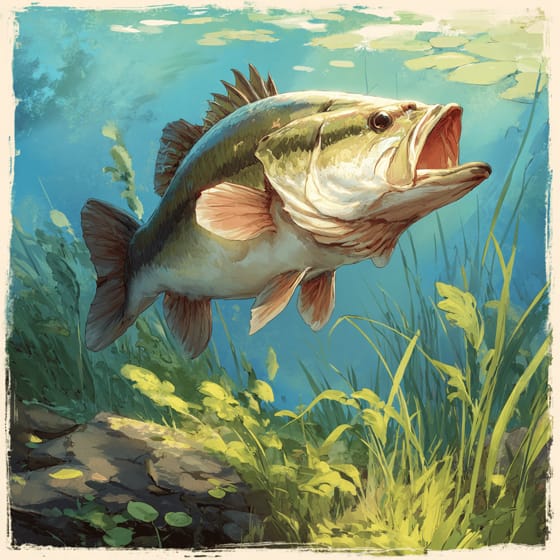
Micropterus salmoides
Larger bass frequently prey on crappies.
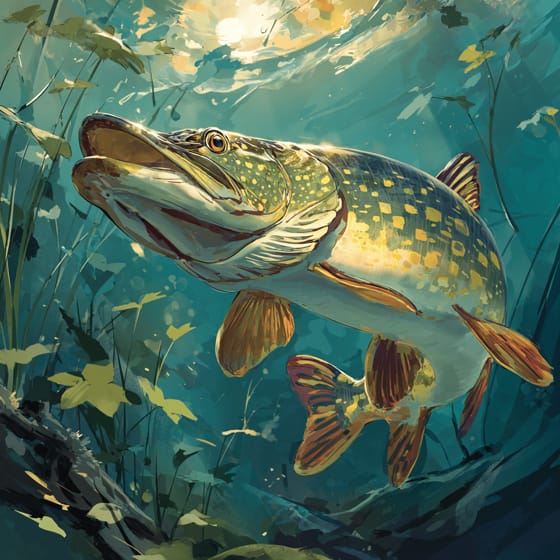
Esox lucius
Pike are apex predators that hunt crappies.
Daphnia pulex
Crappies feed on these tiny crustaceans.
Notemigonus crysoleucas
Crappies prey on small minnows like shiners.
Wildlife encompasses all undomesticated animal and plant life existing in their natural habitats.
Marked with spots or patches of a different color.
Social animals live in organized groups, cooperating for survival benefits such as foraging, defense, and raising offspring.
Colorful describes organisms or objects displaying a wide range of bright and distinct colors.

Piscivorous organisms are animals that primarily subsist on a diet of fish.

Freshwater habitats include non-saline aquatic environments such as rivers, lakes, ponds, and wetlands, vital for numerous species.

Aquatic habitats encompass environments where organisms live predominantly in water, including oceans, rivers, lakes, and wetlands.
Danger
2/5 · Low
Watch quietly from a distance and never try to feed or chase wild animals.
15-35 cm
0.2-1.5 kg
5-10 years
White Crappies are agile predators that munch on small aquatic critters they find in the water.
8 km/h
Lakes and rivers
Ambush
15 m
Zoom in to split clusters and explore where this object has been snapped.
Recent snaps will appear here as new observations are added.