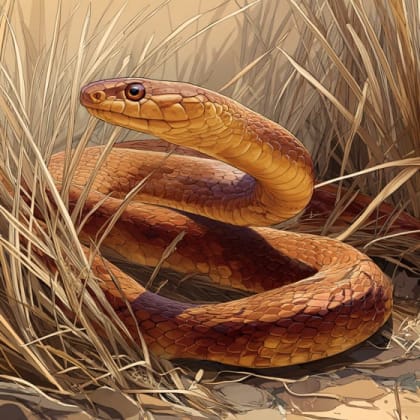
Brown Snake
Storeria dekayi
Brown Snakes are small and usually brown or gray. They like to hide in leaf litter and are very shy.
Habitat: Woodlands and gardens
The Brown Snake is a small, slender reptile, typically brown to grayish-brown with a lighter stripe running down its back. It often has two rows of small dark spots along its sides, sometimes merging into a checkerboard pattern, and a distinct dark marking on its neck.
Category
ReptilesRarity
Common
Danger
2/5 · Low
Snaps
175
Brown snakes help our gardens by eating slimy slugs and snails, keeping plants safe.
Imagine being born without an egg! Brown snakes have live babies, up to 20 at once.
These shy snakes are completely harmless to humans and are very gentle.
They are so tiny, some are shorter than your hand, but mighty pest controllers!
Brown Snake has the unique ability to give birth to up to 20 live, fully formed young at once, rather than laying eggs.
Brown Snake can easily eat soft-bodied invertebrates like slugs and snails because of its specialized small, pointed teeth designed for gripping them.
Tiny predators, Brown Snakes feast on slugs, snails, and soft-bodied invertebrates found in gardens.
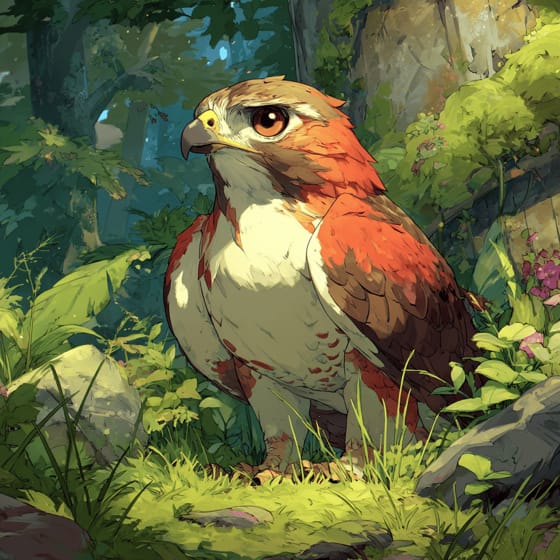
Buteo jamaicensis
Small snakes can be prey for these opportunistic raptors.
Thamnophis sirtalis
Larger garter snakes may prey on smaller brown snakes.
Arion ater
A primary food source, helping control slug populations.
Lumbricus terrestris
An important part of its diet, especially in moist soil.
Wildlife encompasses all undomesticated animal and plant life existing in their natural habitats.
Solitary animals live alone for most of their lives, only interacting with others for mating or parental care.
This trait identifies organisms whose diet primarily consists of insects and other small invertebrates.
This trait characterizes organisms with an exceptionally long lifespan compared to others of their kind.

Nocturnal animals are primarily active during the nighttime hours, typically resting or sleeping during the day.
Danger
2/5 · Low
Look but don’t touch. Keep a safe distance and wash hands after exploring.
20-33 cm
0.002-0.014 kg
2-5 years
1 km/h
Tiny predators, Brown Snakes feast on slugs, snails, and soft-bodied invertebrates found in gardens.
Woodlands and gardens
Foraging
3-20
Zoom in to split clusters and explore where this object has been snapped.

Nebraska, US
You might spot African Lion, Giraffes, and Tiger.
View guide →

Missouri, US
You might spot Sheep, Giraffes, and Tiger.
View guide →
Louisiana, US
You might spot African Lion, Giraffes, and Equus Africanus Asinus.
View guide →

Virginia, US
You might spot Monarch, Eastern Box Turtle, and Asian Lady Beetle.
View guide →

Alabama, US
You might spot Baja California Rat Snake and Blue-Faced Honeyeater.
View guide →

Virginia, US
You might spot Green Frog, Pond Slider, and Snapping Turtle.
View guide →