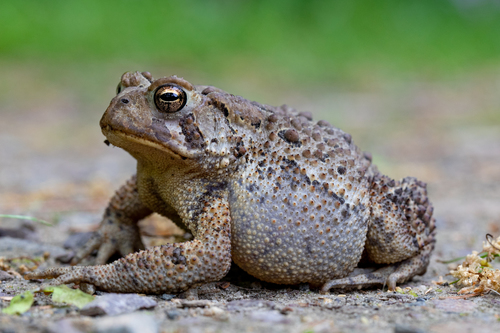
American Toad
Hooes Road Park offers a serene and engaging outdoor experience in Springfield, Virginia, serving as a verdant escape for both local residents and nature enthusiasts.
Hooes Road Park offers a serene and engaging outdoor experience in Springfield, Virginia, serving as a verdant escape for both local residents and nature enthusiasts. This 20.8-acre county park provides a welcoming atmosphere with its lush greenery, inviting visitors to immerse themselves in a tranquil environment. It's a place where the sounds of nature blend with the gentle activity of people enjoying the outdoors, making it a special spot for a quiet stroll or an energetic play.
The park boasts a variety of recreational opportunities amidst its natural setting. Explore the easy, paved trails, perfect for walking, running, or bicycling, where you might spot common avian residents like the American Robin or the Common Grackle. The woodlands and open spaces are also home to a diverse array of plant life, including common chickweed, henbit deadnettle, and the vibrant calico aster. Keep an eye out for the Eastern Cottontail hopping through the undergrowth or a Gray Treefrog Species Complex camouflaged among the leaves.
Hooes Road Park is more than just a green space; it's a community hub for relaxation, recreation, and connecting with the natural world. Whether you're seeking a peaceful retreat to observe bird's-eye speedwell and Mulberries, a place for family fun on the playground, or an active outing on the sports courts, this park provides a memorable experience. Its blend of accessible amenities and natural charm makes it a worthwhile destination for all ages, offering a refreshing dose of nature close to urban life. Enhance your adventure: download the Snappit app to identify the local species you encounter.
The land that is now Hooes Road Park has an interesting past, reflecting the changing landscape of Fairfax County. Decades ago, the area was known as "the pits," a site actively used for gravel mining by Lehigh Cement Company. During the 1970s, it even served as a popular spot for motocross and four-wheeling enthusiasts. The transformation into a park began when the Virginia Department of Transportation sold the land to the Fairfax County Park Authority after the initial four-lane Beltway was constructed. It was originally named Franconia Park. Later, when the Beltway was expanded to eight lanes, more gravel was extracted. In exchange for this extraction, the land was restored, and the park's initial fields and parking lots were developed. The Fairfax County Park Authority, which manages the park today, was established in 1950, overseeing the growth of such community green spaces.
Walk, run, or bike the paved trails, looking for birds like the Common Grackle or American Robin.
Enjoy a picnic or engage in open-space activities like frisbee or yoga.
Play a game of tennis, basketball, or pickleball on the available courts.
Observe the diverse plant life, including common chickweed, Mulberries, and calico aster.
Spot Eastern Cottontails or various ant species like the Hairy-headed Acrobat Ant.
Spring: Ideal for seeing wildflowers like bird's-eye speedwell and henbit deadnettle, and observing active birds.
Summer: Great for sports and picnics, though trail shade may be limited in some areas. Look for Delicate Cycnia Moths.
Autumn: Enjoy the crisp air for walks and the changing foliage.
Winter: Offers peaceful, quieter visits, with opportunities to see overwintering birds and American Winter Ants.
The park features paved trails that are easy to navigate, suitable for walking, running, and bicycling. Parking is available, and some sources indicate the park is generally accessible.
An easy 0.5 to 1-mile loop and linear network perfect for casual strolls or invigorating runs.
The tranquil atmosphere and diverse flora create opportunities to spot various birds, small mammals, and insects.
Well-maintained fields and courts for baseball, soccer, basketball, tennis, and pickleball.
A medium-sized playground for children to enjoy.
Each card links to a full Explore page with photos, traits, and fun facts.



















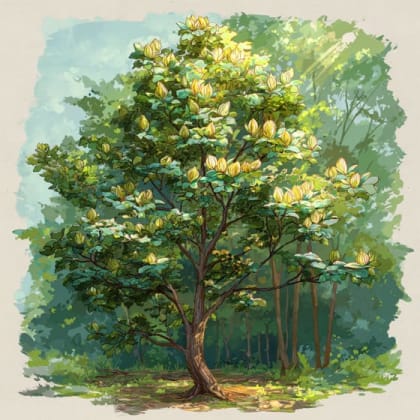







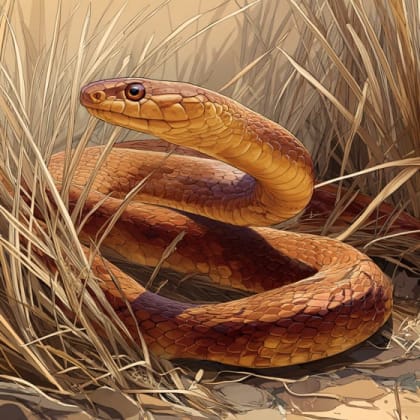

















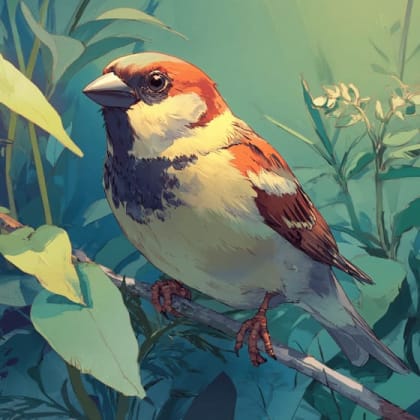

Start with the big picture, then zoom in to explore individual wildlife observations around this place.
Wear comfortable shoes
The park's paved trails are excellent for walking or running, so comfortable footwear is a must.
Bring water and snacks
Especially during warmer months or longer visits, staying hydrated is important. There are open spaces perfect for a picnic.
Visit during off-peak hours for tranquility: If you prefer a quieter experience for nature observation, consider visiting outside of popular sports event times. Activity peaks during games, and parking can get congested.
Keep an eye out for diverse flora and fauna: Bring binoculars for birdwatching and a field guide to identify plants like red chokeberry or hairy bittercress.
Utilize the various sports facilities
If you're a sports enthusiast, bring your equipment for baseball, basketball, tennis, or pickleball. Note that pickleball lines may be faded.
Leash your pets
If bringing a dog, ensure it remains on a leash as required by park rules.
Jun 18, 2026
Photo attribution
(c) wren-falcon, some rights reserved (CC BY)
License: CC BY 4.0 ↗
Image may be shown cropped inside the card frame.
Jun 20, 2026
Jun 20, 2026
Jun 20, 2026
Jun 20, 2026

Maryland, US
You might spot White-Tailed Deer and Eastern Gray Squirrel.
View guide →
.jpg)
District of Columbia, US
You might spot Eastern Gray Squirrel, Duck, and House Sparrow.
View guide →

Illinois, US
You might spot American Robin, Canada Goose, and House Sparrow.
View guide →

Virginia, US
You might spot Spotted Lanternfly and Northern Cardinal.
View guide →
Take the discovery with you
Identify the wildlife you spot, learn as you go, and keep a collection of the adventure.