
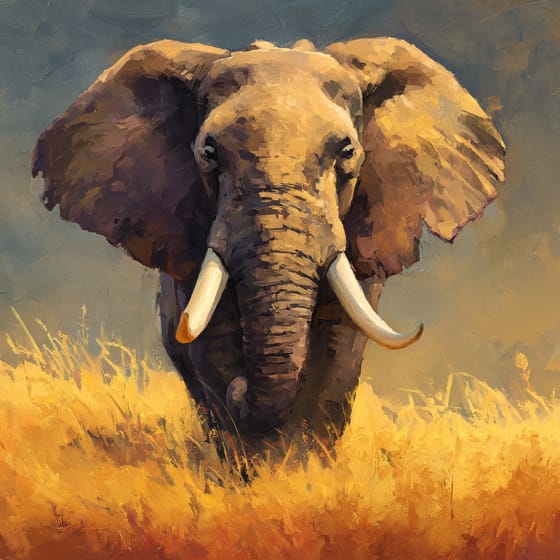
African Elephant
Nestled in the vibrant city of Birmingham, Alabama, the Birmingham Zoo offers an engaging and immersive journey into the natural world, spanning 122 acres and housing approximately 550 animals representing 180 species from six continents.
Nestled in the vibrant city of Birmingham, Alabama, the Birmingham Zoo offers an engaging and immersive journey into the natural world, spanning 122 acres and housing approximately 550 animals representing 180 species from six continents. As the only AZA-accredited zoo in Alabama, it stands as a beacon of wildlife conservation, passionately inspiring visitors to connect with and protect the planet's diverse creatures. From the sprawling African savannas to the lush American forests, the zoo provides thoughtfully designed habitats that prioritize animal welfare and replicate natural environments. Visitors can embark on an unforgettable exploration through distinct geographical zones and specialized exhibits.
The expansive Trails of Africa is a highlight, where you can marvel at a unique bachelor herd of African bush elephants and observe Eastern black rhinoceros, graceful reticulated giraffes, and swift Grant's zebras. The Junior League of Birmingham-Hugh Kaul Children's Zoo delights younger guests with opportunities to discover native Alabama wildlife along the Barbara Ingalls Shook Black Bear Trail and interact with domestic animals. Beyond these, diverse habitats introduce you to the powerful African lions, the elusive Red pandas and Sand cats of the Predator Zone, and the intelligent Sumatran orangutans in the Primate Building. The Birmingham Zoo experience is designed for discovery and wonder.
Guests can enjoy up-close encounters, such as feeding vibrant Rainbow lorikeets in their interactive aviary or offering a treat to a towering reticulated giraffe. Educational programs, keeper chats, and seasonal events further enrich the visit, making it a dynamic destination for families, wildlife enthusiasts, and anyone eager to learn about and contribute to global conservation efforts. It’s a place where every visit offers a chance to be inspired by the beauty and complexity of the animal kingdom. Unlock an interactive field guide for this spot: get the Snappit app to identify nature on the go.
The Birmingham Zoo's origins trace back to a small menagerie of exotic animals kept in a Southside firehouse, which later moved to Magnolia Park and then Avondale Park. A notable early resident was "Miss Fancy," a lone elephant donated by the Birmingham Advertising Club. Planning for a permanent zoological park began in earnest after World War II, led by the Birmingham Junior Chamber of Commerce and supported by Mayor James R. Morgan. The zoo officially opened its doors as the "Jimmy Morgan Zoo" on April 2, 1955, located in Lane Park, with "Monkey Island" as its inaugural exhibit. It became the Birmingham Zoo in 1960. A significant transformation occurred in 1999 when it transitioned into an independent, non-profit 501(c)(3) organization. This privatization ushered in a new era of growth, including the completion of the Junior League of Birmingham-Hugh Kaul Children's Zoo in 2005 and the groundbreaking Trails of Africa exhibit in 2011, which pioneered the concept of housing a bachelor herd of African elephants in a U.S. zoo.
Engage with animals at feeding encounters, watch wildlife presentations, ride the Red Diamond Express Train and the carousel, and explore the Full Moon Bar-B-Que Adventure Tower (additional fees apply for rides and tower).
Splash pads in the Children's Zoo typically operate during warmer weather, generally from April/May to September. During summer, animals might be less active during the hottest parts of the day, so early mornings are particularly recommended.
The Birmingham Zoo is fully wheelchair accessible, with paved pathways and accessible facilities. Wheelchairs and electric conveyance vehicles are available for rent. The zoo is a Sensory Inclusive Zoo, offering weighted lap pads, sensory bags with noise-cancelling headphones, and quiet zones, along with trained staff to assist visitors with sensory processing needs. Service dogs are permitted after checking in at Visitor Services.
Home to the impressive African bush elephants, Eastern black rhinoceros, reticulated giraffes, and Grant's zebras. Don't miss the Kiwanis Giraffe Encounter for feeding opportunities.
Explore the Barbara Ingalls Shook Black Bear Trail, meet native Alabama animals in Alabama Wilds, and let kids cool off at the splash pads.
A chance to feed colorful Rainbow lorikeets.
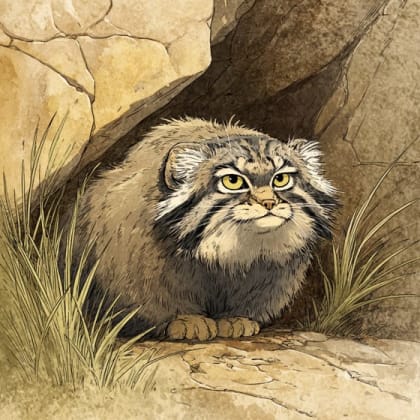
Spot African lions, Red pandas, Sand cats, and Pallas's cats.
Each card links to a full Explore page with photos, traits, and fun facts.
Start with the big picture, then zoom in to explore individual wildlife observations around this place.
Arrive early
Visiting right at opening, especially on a weekday, helps avoid crowds and allows you to see animals during their most active hours.
Wear comfortable shoes and prepare for weather: The zoo is 122 acres, so comfortable walking shoes are a must. Bring sunscreen and water bottles, especially during warmer months.
Check the daily schedule
Consult the zoo's website before your visit for updated hours, feeding schedules, keeper chats, and special events.
Consider a membership
If you anticipate visiting more than once a year, a zoo membership can offer significant savings and additional benefits like early entry on Member Mornings.
Utilize interactive experiences
Don't miss opportunities to feed the giraffes or lorikeets, which are memorable additions to your visit.
Bring your own stroller/wheelchair or rent one: While the zoo is very walkable, rentals are available at the main gift shop for convenience.
Mar 1, 2026
Mar 1, 2026
Feb 28, 2026
Feb 27, 2026
Feb 27, 2026

Michigan, US
You might spot African Lion, Komodo Dragon, and Brown Bear.
View guide →
.jpg)
Municipal District of Cobh, IE
You might spot Ring-Tailed Lemur, Giraffes, and Cheetahs.
View guide →

Nouvelle-Aquitaine, FR
You might spot Greater Flamingo, Giraffes, and Red Panda.
View guide →

Texas, US
You might spot Giraffes, African Lion, and Eastern Black Rhinoceros.
View guide →
Take the discovery with you
Identify the wildlife you spot, learn as you go, and keep a collection of the adventure.