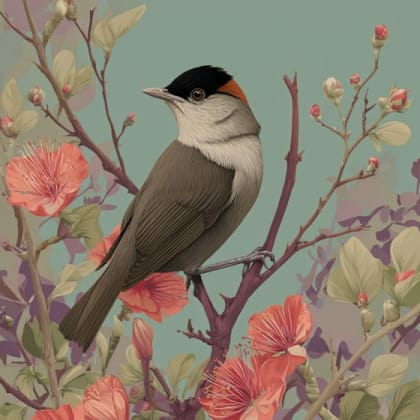



Domestic Chicken
Gallus gallus domesticus
Domestic chickens are friendly birds that live on farms. They come in many colors and love to peck around for food.
The Domestic Chicken has a small head with a fleshy red comb on top and matching wattles below its beak. Its body is covered in varied feathers, often white, brown, black, or reddish, with short, sturdy legs and a short tail.
Category
BirdsRarity
Common
Danger
1/5 · Very low
Snaps
Be the first to snap!
A hen will cluck softly to her eggs before they even hatch!
Chickens dream, experiencing REM sleep just like humans do!
The tallest chicken ever recorded was almost two feet tall!
They can remember over 100 faces of other chickens and people!
Domestic Chickens can lay an egg almost daily because of their specialized reproductive system that helps provide food for humans.
Domestic Chickens can scratch and dig the ground with their strong feet because of their robust claws that helps them find hidden treats like worms.
Domestic Chickens have the ability to roll in dry dirt because of their fine feathers that helps them clean parasites and keep their plumage healthy.
They scratch and peck for a varied diet of seeds, insects, and plants.
Homo sapiens
Provide shelter and food for them.
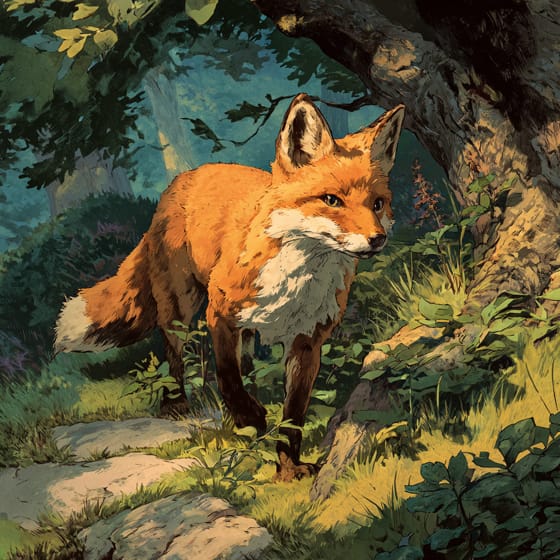
Vulpes vulpes
Hunts chickens for food.
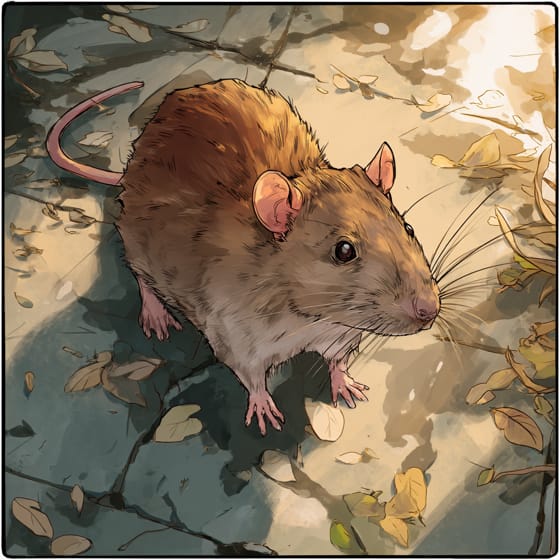
Rattus norvegicus
Preys on eggs and chicks.
Lumbricus terrestris
A favorite food for foraging chickens.
Feathered describes animals, primarily birds, possessing a covering of feathers.
Characterized by having toes connected by a membrane, typically aiding in swimming.
Social animals live in organized groups, cooperating for survival benefits such as foraging, defense, and raising offspring.
This trait identifies organisms whose diet includes both plant and animal matter.

Domesticated refers to species that have been selectively bred and tamed by humans for specific purposes.

Diurnal animals are primarily active during daylight hours, typically resting or sleeping at night.

This trait identifies organisms that exhibit exceptional swiftness in movement for hunting, escape, or travel.

This habitat trait indicates species that can coexist with humans in urban and suburban environments, utilizing man-made structures and green spaces.
Danger
1/5 · Very low
Chickens are gentle animals, but always ask an adult before petting them.
30-70 cm
60-90 cm
1-5 kg
5-10 years
14 km/h
They scratch and peck for a varied diet of seeds, insects, and plants.
Foraging
6-12
Zoom in to split clusters and explore where this object has been snapped.
Recent snaps will appear here as new observations are added.