





Saker Falcon
Falco cherrug
The Saker Falcon is a majestic bird of prey known for its swift flight and keen eyesight. It has beautiful brown and white feathers and a sharp beak for catching small animals.
Habitat: Grasslands
The Saker Falcon has a creamy white head with faint streaks and a broad, brown back. Its underside is pale with dark streaks, and it lacks the strong malar stripe seen on many other falcons, making its face appear lighter.
Category
BirdsRarity
Rare
Danger
3/5 · Moderate
Snaps
Be the first to snap!
Saker Falcons often nest in old stick nests of other large birds, like eagles, instead of building their own.
Some Saker Falcons hunt cooperatively, with one flushing prey while the other ambushes it!
Their name 'Saker' comes from an old Arabic word, meaning 'falcon,' showing their historical importance.
These falcons can be trained for falconry, a traditional sport where they hunt alongside humans.
Saker Falcons can fly incredibly fast horizontally, which helps them chase down quick prey across open plains.
Saker Falcons have exceptionally sharp vision that helps them spot tiny prey from very high in the sky.
Saker Falcons have strong, gripping talons that help them capture and hold onto medium-sized prey.
Saker Falcons are swift carnivores that mostly hunt rodents and medium-sized birds.
Spermophilus fulvus
Main prey in many parts of its range.
Columba livia
Common avian prey, especially near human settlements.
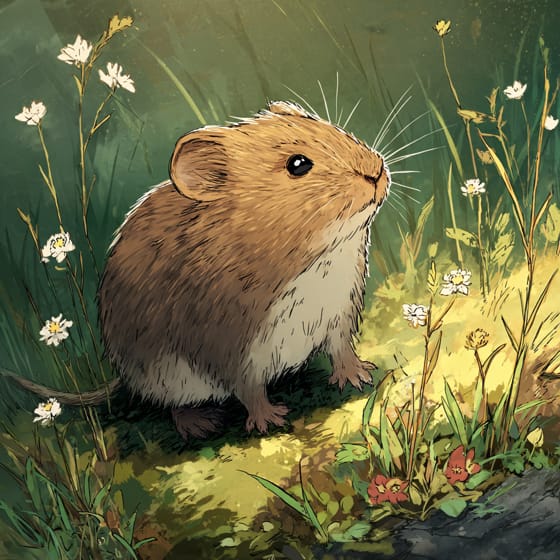
Microtus arvalis
Important part of their diet in grasslands.
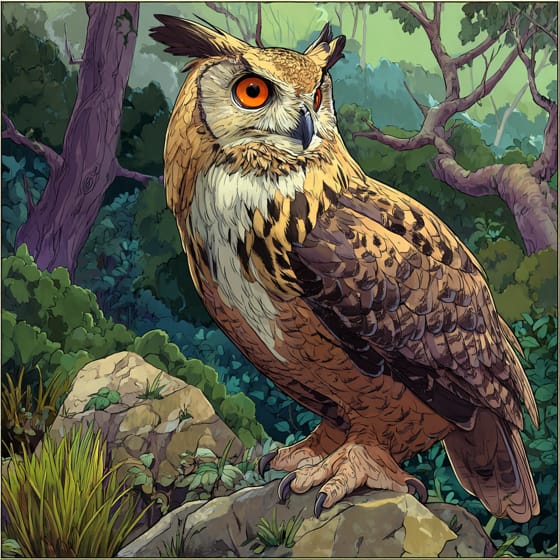
Bubo bubo
Preys on Saker nestlings and fledglings.
Wildlife encompasses all undomesticated animal and plant life existing in their natural habitats.
Feathered describes animals, primarily birds, possessing a covering of feathers.
Aerial creatures spend a significant portion of their lives airborne, utilizing flight for various activities such as hunting, migration, or nesting.
Grassland habitats are terrestrial biomes dominated by grasses and herbaceous plants, supporting a variety of grazing animals.

This habitat trait describes species found in steppes, which are dry, treeless grasslands characterized by extreme seasonal temperature variations and low precipitation.

This trait identifies organisms whose diet consists entirely or primarily of animal tissue.

Diurnal animals are primarily active during daylight hours, typically resting or sleeping at night.

This trait identifies organisms that exhibit exceptional swiftness in movement for hunting, escape, or travel.
Danger
3/5 · Moderate
Admire these falcons from a safe distance and avoid disturbing their nests.
The easiest way to identify Saker Falcon is to use the Snappit nature identifier app.
47-55 cm
105-129 cm
0.7-1.3 kg
15-20 years
200 km/h
Saker Falcons are swift carnivores that mostly hunt rodents and medium-sized birds.
Grasslands
Zoom in to split clusters and explore where this object has been snapped.
Recent snaps will appear here as new observations are added.
Take the discovery with you
Snap it with Snappit to identify it, learn what makes it special, and add the discovery to your collection.




.jpg&width=800)









