

Goose
Anser anser
Geese are large water birds with long necks and loud honking calls. They can be seen flying in a V-shape formation during migration.
Habitat: Wetlands
The Goose is a large, sturdy bird with a grey-brown body, a lighter underside, and a distinctive bright orange bill and legs. It has a relatively long neck, making it stand out from smaller ducks.
Category
BirdsRarity
Common
Danger
2/5 · Low
Snaps
11
A group of geese on the ground is called a gaggle, but in flight, it's a skein!
Geese can recognize individual human faces and remember them!
Geese often stand on one leg to reduce heat loss in cold weather.
They can sleep with one eye open, allowing half their brain to stay alert!
Geese can fly in a V-formation because of aerodynamics that help them conserve energy on long migrations.
Goose has powerful wings and a strong bite that helps them fiercely protect their nests and young from predators.
Goose has special oil-producing glands that help them keep their feathers waterproof and buoyant while swimming.
Goose has a serrated bill that helps them efficiently snip and pull up tough grasses and aquatic plants.
Geese primarily eat plants like grasses, seeds, and aquatic vegetation, making them mostly vegetarian.
Age differences: Goslings initially eat more protein-rich insects alongside plants.
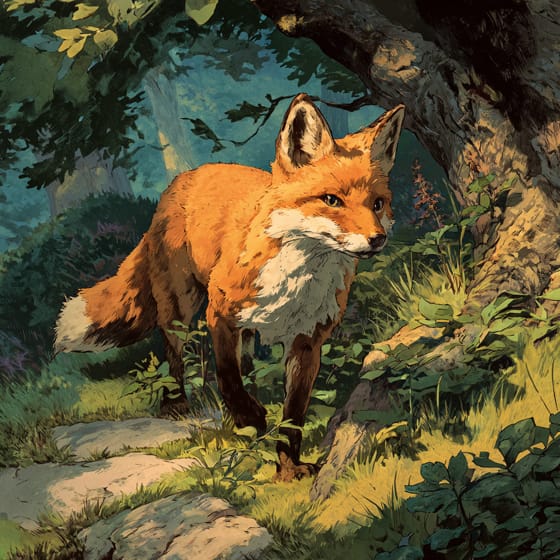
Vulpes vulpes
Red foxes prey on goose eggs, goslings, and sometimes adults.
Haliaeetus albicilla
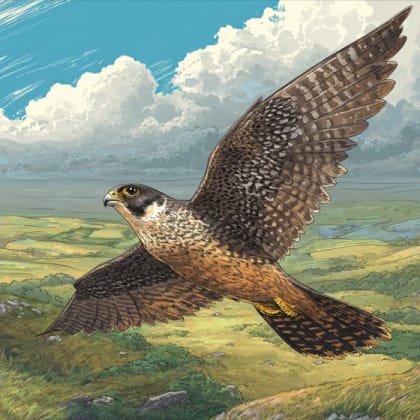
Large raptors can prey on geese, especially young or weakened ones.
Phragmites australis
Reeds provide nesting cover and food sources for geese in wetlands.
Trifolium repens
Geese commonly graze on clover and other pasture plants.
Wildlife encompasses all undomesticated animal and plant life existing in their natural habitats.
Feathered describes animals, primarily birds, possessing a covering of feathers.
Characterized by having toes connected by a membrane, typically aiding in swimming.
Social animals live in organized groups, cooperating for survival benefits such as foraging, defense, and raising offspring.

This trait characterizes organisms whose diet consists entirely or primarily of plant material.

This habitat trait identifies species found in wetlands, which are areas of land saturated with water, either permanently or seasonally, including marshes, swamps, and bogs.

Migratory animals undertake seasonal movements from one region to another, typically in response to changes in climate or food availability.
Danger
2/5 · Low
Enjoy watching geese from a safe distance and avoid getting too close to their nests.
74-91 cm
147-182 cm
2.5-4.1 kg
10-20 years
80 km/h
Geese primarily eat plants like grasses, seeds, and aquatic vegetation, making them mostly vegetarian.
Wetlands
Grazing
Zoom in to split clusters and explore where this object has been snapped.

Nebraska, US
You might spot African Lion, Giraffes, and Tiger.
View guide →

England, UK
You might spot Red Panda, European Lynx, and Emperor Tamarin.
View guide →
California, US
You might spot African Lion, Komodo Dragon, and Cheetahs.
View guide →

England, UK
You might spot Asian Lady Beetle, Rook, and Red Admiral.
View guide →
California, US
You might spot Eastern Fox Squirrel, Common Raven, and Mourning Dove.
View guide →

Hainaut, BE
You might spot Gray Wolf, Vombatidae, and White Stork.
View guide →