





Flycatcher
Tyrannus
Flycatchers are small birds known for their quick movements and aerial acrobatics. They have sharp beaks to catch flying insects mid-air.
Habitat: Forests, Wetlands
The Flycatcher is a small to medium-sized bird, typically with a sleek body and a noticeable broad, flat bill. Many species exhibit subtle plumage in shades of grey, olive, or brown, often with lighter undersides and sometimes a prominent eye-ring. Its distinctive bill is perfectly shaped for catching insects in flight.
Category
BirdsRarity
Common
Danger
1/5 · Very low
Snaps
Be the first to snap!
A single flycatcher can gobble up hundreds of mosquitoes and flies in just one day!
Flycatcher nests are often cleverly camouflaged with moss or lichen, blending into trees!
Many species get their 'tyrant' name from their fearless defense of their nests!
Some flycatchers travel thousands of miles from North to South America every year!
Flycatcher can perform mid-air acrobatics to snatch flying insects because of their agile wings and precise vision.
Flycatcher has exceptionally keen eyesight that helps them spot tiny insects from a distance, even in dense foliage.
The Flycatcher has a wide, flattened bill fringed with bristles that helps them scoop up insects in flight like a net.
Tiny airborne insects are their main snack, but they sometimes eat berries too!
Musca domestica
Catches these common flies mid-air for food.
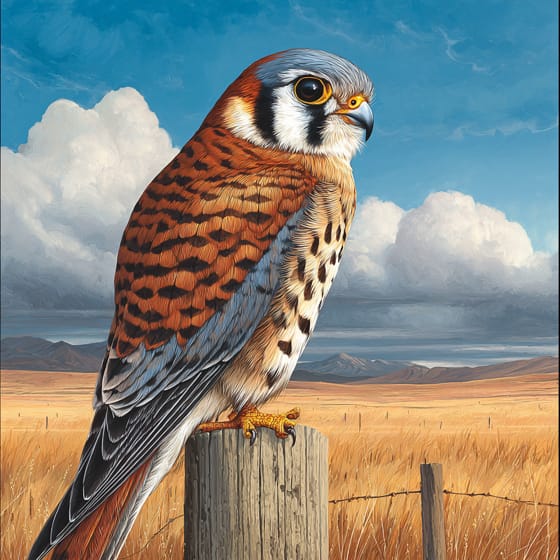
Falco sparverius
A small falcon that preys on flycatchers.

Acer rubrum
Nests and perches in the canopy of these trees.
Wildlife encompasses all undomesticated animal and plant life existing in their natural habitats.
Feathered describes animals, primarily birds, possessing a covering of feathers.
Social animals live in organized groups, cooperating for survival benefits such as foraging, defense, and raising offspring.
Aerial creatures spend a significant portion of their lives airborne, utilizing flight for various activities such as hunting, migration, or nesting.

This trait identifies organisms whose diet primarily consists of insects and other small invertebrates.

Forest habitats are terrestrial environments dominated by dense tree cover, supporting a high diversity of plant and animal life.

This habitat trait identifies species found in wetlands, which are areas of land saturated with water, either permanently or seasonally, including marshes, swamps, and bogs.

Diurnal animals are primarily active during daylight hours, typically resting or sleeping at night.
Danger
1/5 · Very low
Enjoy watching flycatchers from a safe distance to avoid disturbing their natural behavior.
The easiest way to identify Flycatcher is to use the Snappit nature identifier app.
13-23 cm
25-40 cm
0.015-0.06 kg
3-7 years
45 km/h
Tiny airborne insects are their main snack, but they sometimes eat berries too!
Forests, Wetlands
Zoom in to split clusters and explore where this object has been snapped.
Recent snaps will appear here as new observations are added.
Take the discovery with you
Snap it with Snappit to identify it, learn what makes it special, and add the discovery to your collection.




.jpg&width=800)








