


Persian Cat
Felis catus
A Persian Cat is a long-haired, gentle cat with a round face and sweet nature. It enjoys quiet time and cozy naps.
Habitat: Homes and apartments; soft beds and sunny spots
The Persian Cat is renowned for its strikingly long, flowing coat and distinctive flat, 'pug-like' face. They often display large, expressive eyes and come in a vast array of solid colors, patterns, and bi-colors, setting them apart visually.
Category
MammalsRarity
Common
Danger
1/5 · Very low
Snaps
Be the first to snap!
Wow! A Persian Cat's fur can grow over 15 cm long!
Wow! Some ancient Egyptian art shows cats with features similar to Persians!
Wow! Their unique flat face is due to a specific genetic mutation!
Wow! They were named after Persia, now Iran, where they originated!
Persian Cat has extra fluffy paws that help them move quietly and feel soft.
Persian Cat has a thick, dense coat that helps protect them from minor scratches and temperature changes.
Persian Cat can stay very calm and still, which helps them observe their surroundings unnoticed.
Persian Cat has sensitive whiskers that help them navigate in the dark and feel their way around.
Persian Cats are carnivores who enjoy specially formulated cat food and occasional treats.
Age differences: Kittens require specific formulas, adults eat standard food, seniors may need softer, easier-to-digest options.
Homo sapiens
Provides shelter and food to the cat.
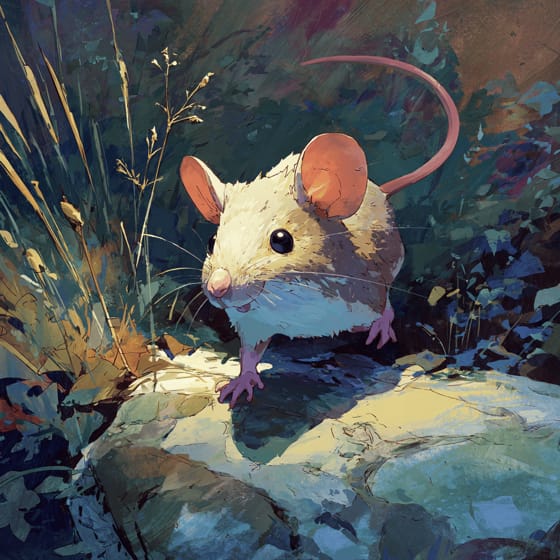
Mus musculus
May hunt small rodents for play or instinct.
Rattus rattus
Occasionally hunts larger rodents if opportunity arises.
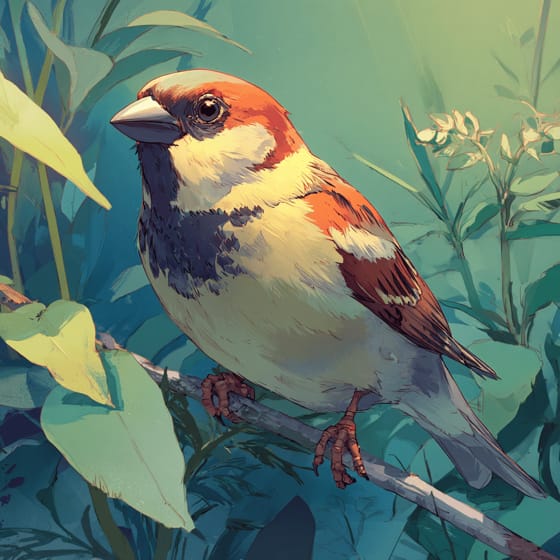
Passer domesticus
May hunt small birds, especially if outdoor access.
Wildlife encompasses all undomesticated animal and plant life existing in their natural habitats.
Furry describes animals possessing a dense covering of soft hair or fur.
Possessing prominent sensory hairs or vibrissae, often around the snout.
Solitary animals live alone for most of their lives, only interacting with others for mating or parental care.

Domesticated refers to species that have been selectively bred and tamed by humans for specific purposes.

This trait identifies organisms whose diet consists entirely or primarily of animal tissue.

This habitat trait indicates species that can coexist with humans in urban and suburban environments, utilizing man-made structures and green spaces.

Nocturnal animals are primarily active during the nighttime hours, typically resting or sleeping during the day.
Danger
1/5 · Very low
Pet gently and avoid pulling on long fur; brush with an adult's help.
30-50 cm
3-7 kg
12-17 years
35 km/h
Persian Cats are carnivores who enjoy specially formulated cat food and occasional treats.
Homes and apartments; soft beds and sunny spots
3-5
63-65 days
Zoom in to split clusters and explore where this object has been snapped.
Recent snaps will appear here as new observations are added.