






Quackgrass
Elymus repens
Quackgrass is a strong grass that can spread quickly! It’s often found in gardens and fields.
Habitat: Fields and gardens
The Quackgrass has flat, green leaves with distinctive clasping 'ears' (auricles) at the base of each blade. Its flower spikes are slender and upright, holding small, greenish-brown seed heads. It often forms dense patches.
Category
PlantsRarity
Common
Danger
1/5 · Very low
Snaps
Be the first to snap!
Its tough, sharp roots can pierce through other plants' roots!
It’s known by over 70 different common names worldwide.
Some cultures historically ground its roots into flour during tough times.
This resilient grass can survive being buried under soil for years!
Quackgrass can spread far and wide using tough underground stems called rhizomes, helping it colonize new areas quickly.
Quackgrass has deep, extensive roots that help it find water even during dry spells, keeping it green when others wilt.
Its dense root system helps it outcompete other plants for vital nutrients and water in the soil.

Odocoileus virginianus
Grazes on its leaves and stems.
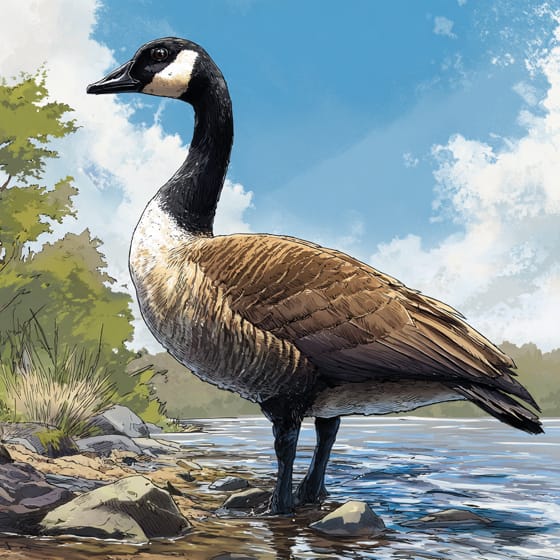
Branta canadensis
Feeds on young shoots and blades.
Microtus pennsylvanicus
Consumes roots and stems, especially in winter.
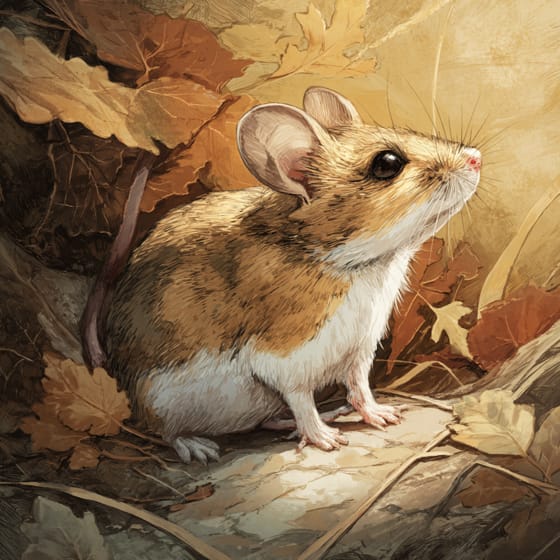
Peromyscus maniculatus
Uses dense patches for protective cover.
Shade tolerant plants are adapted to grow and thrive in areas with low light levels, requiring less direct sunlight.
Grassland habitats are terrestrial biomes dominated by grasses and herbaceous plants, supporting a variety of grazing animals.
Rapid growing plants exhibit accelerated growth rates, quickly increasing in size and biomass within a short period.
Danger
1/5 · Very low
Explore with care and ask an adult if you’re unsure what to do.
30-150 cm
50-100 cm
0.5-1 cm
Late spring to summer
Yes
None
Perennial
Wind
Zoom in to split clusters and explore where this object has been snapped.
Recent snaps will appear here as new observations are added.



















