Hydrangea
Hydrangea
Hydrangeas are large, round flowers that can change color! They are often seen in gardens and are loved for their beauty.
Habitat: Hydrangeas love to grow in gardens with plenty of water.
The Hydrangea has large, vibrant flower clusters that can be mop-like or flat-topped (lacecap). Its blossoms come in shades of white, pink, blue, purple, or green, uniquely changing hue based on soil acidity. Leaves are typically broad and serrated.
Category
PlantsRarity
Common
Danger
1/5 · Very low
Snaps
Be the first to snap!
Fossils show hydrangeas existed with dinosaurs millions of years ago, long before humans!
Some hydrangea flower clusters can grow bigger than a soccer ball!
The name 'Hydrangea' means 'water vessel' because these beautiful plants are super thirsty!
You can change a hydrangea's flower color by adding special ingredients to its soil!
Hydrangea flowers can change from pink to blue or purple depending on the soil's acidity, a unique chemical reaction!
Hydrangea can quickly wilt when dry but dramatically rehydrate, efficiently absorbing water to bounce back to life.
Hydrangea sheds its leaves in cold climates to protect itself during winter, conserving energy for beautiful spring blooms.
Apis mellifera
visits flowers for nectar and pollen
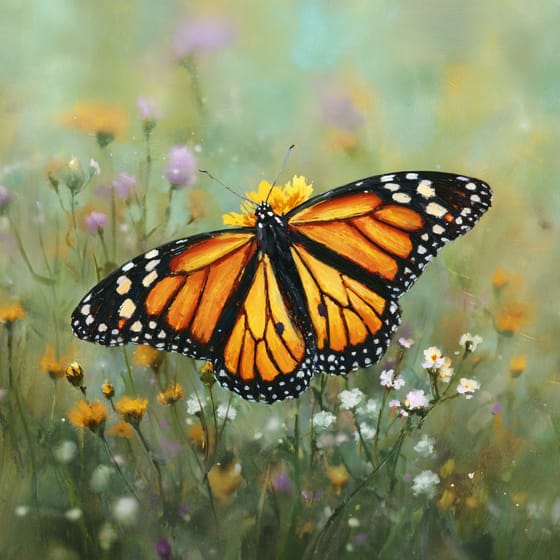
Danaus plexippus
attracted to showy flower clusters
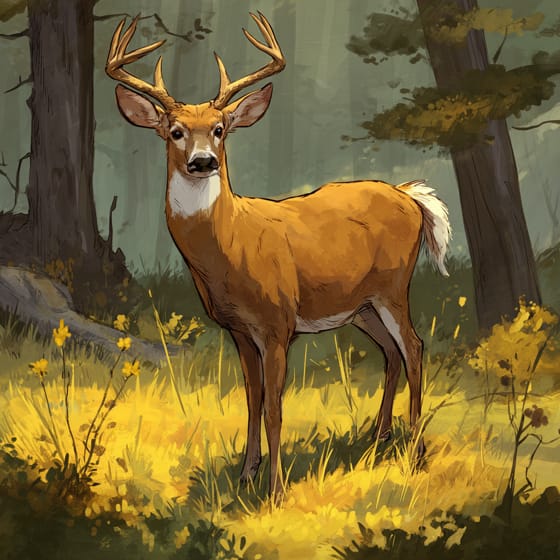
Odocoileus virginianus
deer browse on leaves and stems
Deciduous plants periodically shed all their leaves, typically during autumn or dry seasons.
Flowering plants are any plants that produce flowers as part of their reproductive cycle.
Ornamental plants are cultivated primarily for their aesthetic appeal, enhancing landscapes and gardens with their attractive foliage, flowers, or form.
Cluster flowers are inflorescences where individual flowers are arranged closely together on a common stem.

Shade tolerant plants are adapted to grow and thrive in areas with low light levels, requiring less direct sunlight.

A shrub is a woody plant smaller than a tree, typically with multiple stems branching from or near the ground.

Summer blooming plants produce their flowers during the summer season, often providing vibrant color when many other plants have finished.

Forest habitats are terrestrial environments dominated by dense tree cover, supporting a high diversity of plant and animal life.
Danger
1/5 · Very low
Explore with care and ask an adult if you’re unsure what to do.
100-300 cm
100-300 cm
1-3 cm
Summer to fall
No
Mild
Perennial
Insect
Zoom in to split clusters and explore where this object has been snapped.
Recent snaps will appear here as new observations are added.