Hoya
Hoya
Hoya, or Wax Plant, has shiny leaves and produces lovely star-shaped flowers! It’s a wonderful houseplant that can grow long vines.
Habitat: Tropical forests
The Hoya has thick, waxy leaves that can be solid green, speckled, or variegated. Its unique star-shaped flowers grow in clusters, often appearing as if made from porcelain, with colors ranging from white and pink to deep red.
Category
PlantsRarity
Rare
Danger
1/5 · Very low
Snaps
Be the first to snap!
A single Hoya plant can produce hundreds of fragrant flowers at once.
Some Hoya flowers look exactly like tiny, perfect porcelain sculptures!
The tiny flowers of a Hoya plant are often covered in fuzzy, soft hairs.
There are over 500 different kinds of Hoya plants, all unique!
Hoya can produce sugary nectar droplets on its flowers, which helps it attract insects for pollination.
Hoya has thick, waxy leaves that help it store water and reduce moisture loss, surviving dry periods.
Some Hoya species have aerial roots or twining stems that help them climb trees and rocks for sunlight.
Apis mellifera
Visits Hoya flowers for nectar and pollen.
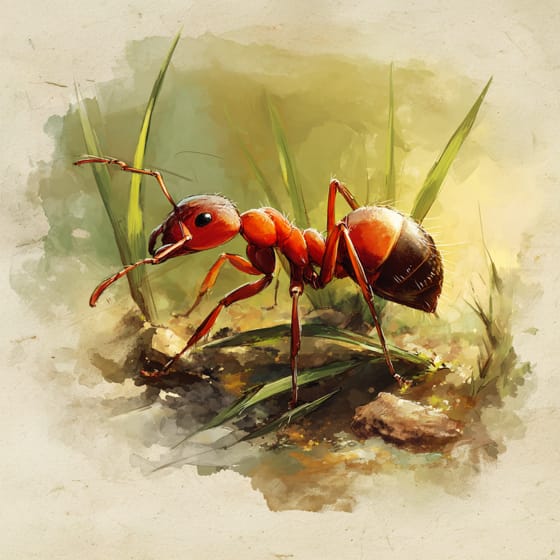
Solenopsis invicta
Attracted to Hoya nectar, may deter herbivores.
Ficus benjamina
Hoya often grows epiphytically on host trees like this.
Flowering plants are any plants that produce flowers as part of their reproductive cycle.
Evergreen plants retain their foliage throughout the year, never shedding all their leaves at once.
Fragrant flowers emit a pleasant aroma, often to attract pollinators or for defense.
Rapid growing plants exhibit accelerated growth rates, quickly increasing in size and biomass within a short period.

This trait characterizes organisms with an exceptionally long lifespan compared to others of their kind.

This habitat trait refers to species found in tropical rainforests, characterized by high annual rainfall, high biodiversity, and dense tree cover.
Danger
1/5 · Very low
Explore with care and ask an adult if you’re unsure what to do.
30-300 cm
30-100 cm
0.5-2 cm
Spring to Fall
No
Mild
Perennial
Insect
Zoom in to split clusters and explore where this object has been snapped.
Recent snaps will appear here as new observations are added.