





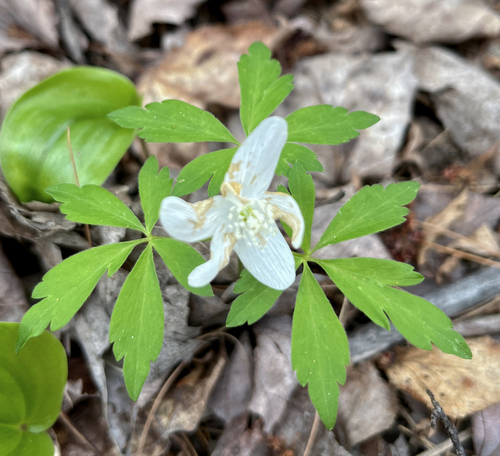
wood anemone
Anemonoides quinquefolia
The wood anemone is a lovely flower that blooms in spring. It has delicate white petals that look like little stars and grows in shady forests, making them a beautiful sight to see.
Habitat: Forests
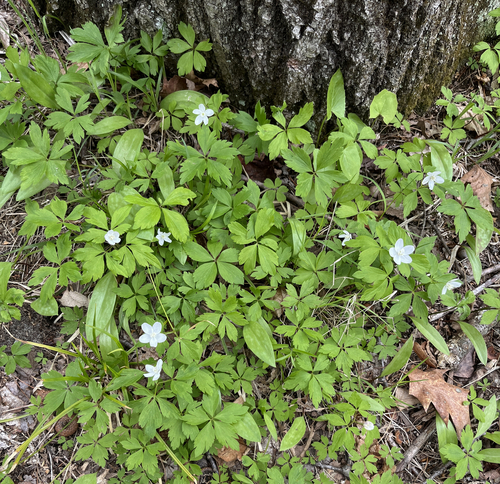
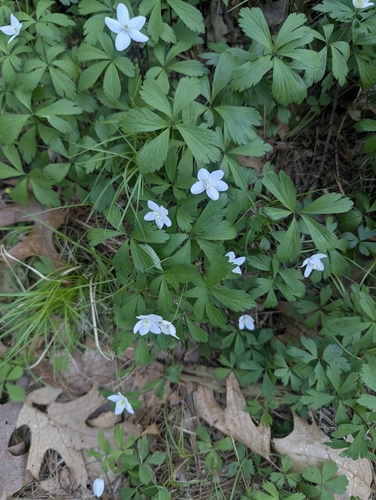
The wood anemone has delicate, solitary white flowers, sometimes tinged pink or purple, with a cluster of bright yellow stamens in the center. Its petals (actually sepals) are usually five to eight, creating a star-like shape above lobed, green leaves, making it distinct from many spring blooms.
Category
PlantsRarity
Common
Danger
1/5 · Very low
Snaps
42
Its scientific name, Anemonoides, means 'like an anemone,' hinting at its delicate beauty!
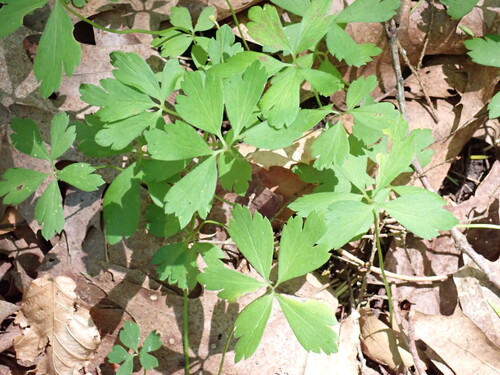
The leaves of the wood anemone are divided into three parts, like tiny green shamrocks!
They often close their delicate petals at night or when it rains, keeping their pollen safe and dry!
Wood anemones can live for hundreds of years, spreading slowly through a forest!
Wood anemone can spread widely using underground stems called rhizomes, helping it form large colonies and find new spots to grow.
It has adapted to bloom very early in spring, capturing sunlight before the trees grow their leaves and shade the forest floor.
The wood anemone produces seeds that ants love! Ants carry the seeds away, helping the plant spread to new places in the forest.
Apis mellifera
Collects nectar and pollen from flowers.
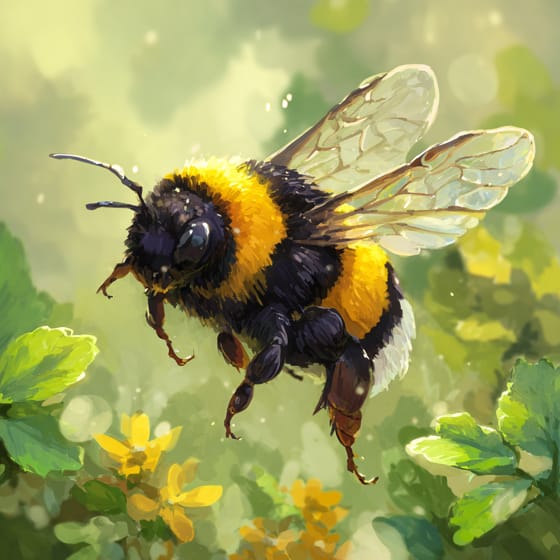
Bombus terrestris
Helps carry pollen between plants.

Arion ater
Sometimes munches on leaves and flowers.
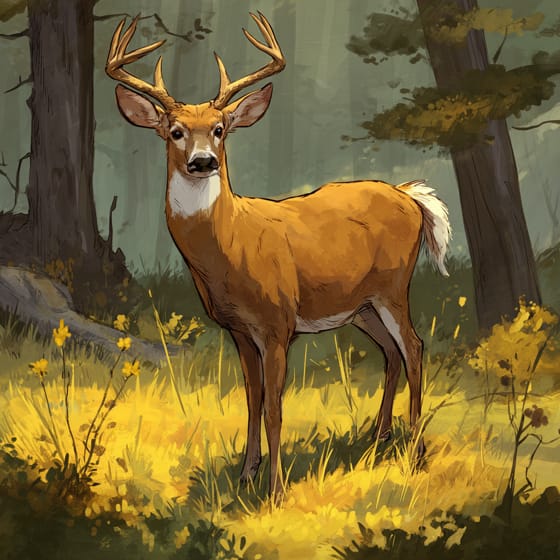
Odocoileus virginianus
May browse on the early spring foliage.
Deciduous plants periodically shed all their leaves, typically during autumn or dry seasons.
Flowering plants are any plants that produce flowers as part of their reproductive cycle.
Cluster flowers are inflorescences where individual flowers are arranged closely together on a common stem.
Shade tolerant plants are adapted to grow and thrive in areas with low light levels, requiring less direct sunlight.

Spring blooming plants produce their flowers during the spring season, often signifying the end of winter and the start of new growth.

Fragrant flowers emit a pleasant aroma, often to attract pollinators or for defense.

Describes plants that are particularly attractive and beneficial to a wide range of pollinating organisms.

Forest habitats are terrestrial environments dominated by dense tree cover, supporting a high diversity of plant and animal life.
No aliases listed yet.
Danger
1/5 · Very low
Do not touch or eat wild flowers without asking an adult.
The easiest way to identify wood anemone is to use the Snappit nature identifier app.
10-25 cm
2-4 cm
Early spring to early summer
No
Mild
Perennial
Insect
Zoom in to split clusters and explore where this object has been snapped.
May 13, 2026
Norway Historic DistrictPhoto attribution
(c) Dawn Nelson, some rights reserved (CC BY)
License: CC BY 4.0 ↗
Image may be shown cropped inside the card frame.
May 9, 2026
Norway Historic DistrictPhoto attribution
(c) Dawn Nelson, some rights reserved (CC BY)
License: CC BY 4.0 ↗
Image may be shown cropped inside the card frame.
May 7, 2026
Appleton FarmsPhoto attribution
(c) Greg P, some rights reserved (CC BY)
License: CC BY 4.0 ↗
Image may be shown cropped inside the card frame.
Jul 4, 2025
Chesterfield GorgePhoto attribution
no rights reserved
License: CC0 1.0 ↗
Image may be shown cropped inside the card frame.

Connecticut, US
You might spot Bold Jumping Spider and American Tuliptree.
View guide →
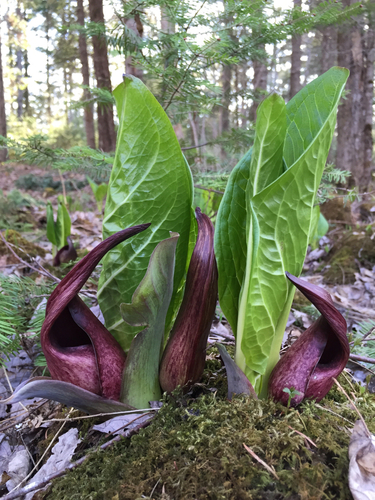
Connecticut, US
You might spot Eastern Skunk Cabbage and Eastern White Pine.
View guide →

Massachusetts, US
You might spot Mountain Laurel, Azure Bluet, and Partridgeberry.
View guide →

Illinois, US
You might spot Viceroy, Common Wood-Nymph, and Acadian Hairstreak.
View guide →

Rhode Island, US
You might spot Tundra Bean Goose, Tansy, and Osprey.
View guide →

Maine, US
You might spot Ghost Pipe, Pink Lady's Slipper, and Bluebead Lily.
View guide →
Take the discovery with you
Snap it with Snappit to identify it, learn what makes it special, and add the discovery to your collection.







.jpg&width=800)


_001.jpg&width=800)



