






Desert Iguana
Dipsosaurus dorsalis
The Desert Iguana is a small lizard that loves hot, dry places. It has a light color to help it stay cool.
Habitat: Deserts and arid regions.
The Desert Iguana is a pale, sandy-colored lizard with a long, striped tail. It has a prominent white stripe down its back flanked by two rows of dark, reddish-brown spots. Its creamy white underside helps reflect heat.
Category
ReptilesRarity
Common
Danger
2/5 · Low
Snaps
Be the first to snap!
Desert Iguanas enjoy sunbathing even when temperatures soar over 100°F!
If caught, a Desert Iguana might shed its tail to distract a predator and escape!
These lizards can live for over 10 years, which is a long time for a desert dweller!
They often dart around with their tails curled high, looking like tiny desert roadrunners!
Desert Iguanas can adjust their body temperature and even lighten their skin tone to absorb or reflect heat, helping them survive scorching deserts.
Desert Iguanas can dig extensive burrows, which help them escape predators and find cool refuge from the intense desert sun.
Desert Iguanas can run on two legs at impressive speeds, which helps them quickly outmaneuver predators in open desert terrain.
These iguanas mostly munch on desert plants but will snack on insects occasionally.
Larrea tridentata
Relies on its leaves and flowers for food.
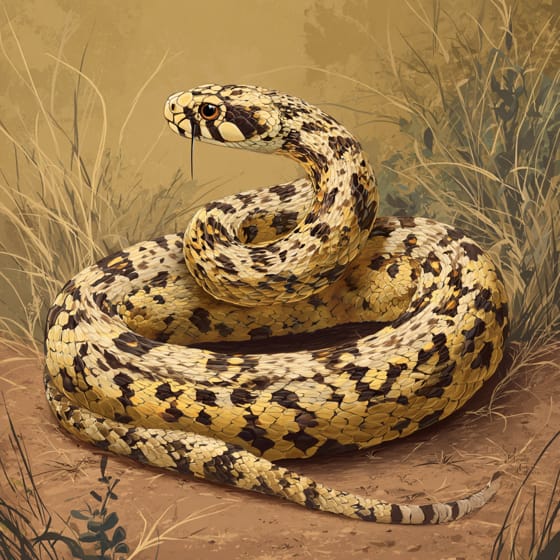
Pituophis catenifer
A common snake predator in its desert habitat.
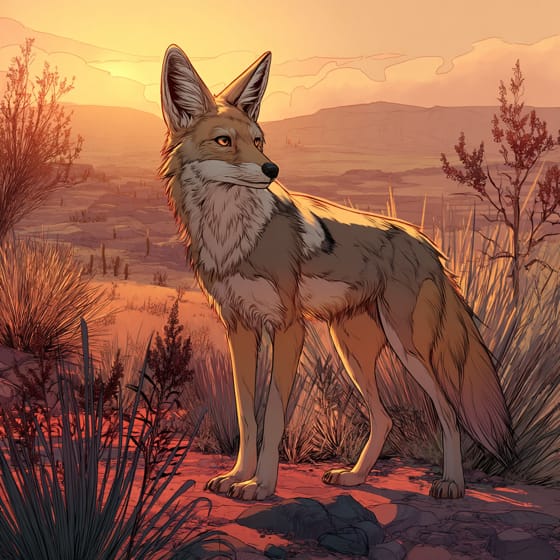
Canis latrans
Desert mammal that occasionally preys on them.
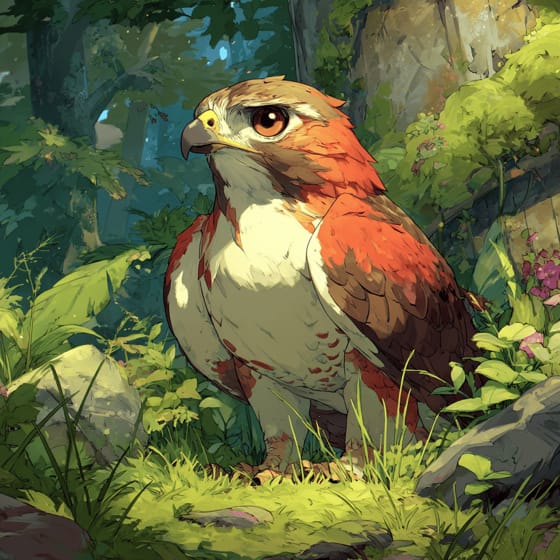
Buteo jamaicensis
A large bird of prey that hunts them from above.
Wildlife encompasses all undomesticated animal and plant life existing in their natural habitats.
Solitary animals live alone for most of their lives, only interacting with others for mating or parental care.
Burrowing animals dig tunnels and chambers in the ground, using these subterranean structures for shelter, hunting, or breeding.
Camouflaged describes organisms that possess coloring or patterns that allow them to blend into their environment.

This trait characterizes organisms whose diet consists entirely or primarily of plant material.

Thermoregulating organisms maintain a stable internal body temperature despite fluctuations in the external environment.

Desert habitats are arid regions characterized by extremely low precipitation and often extreme temperatures, supporting specialized flora and fauna.

Diurnal animals are primarily active during daylight hours, typically resting or sleeping at night.
Danger
2/5 · Low
Look but don’t touch. Keep a safe distance and wash hands after exploring.
25-40 cm
0.028-0.08 kg
7-14 years
24 km/h
These iguanas mostly munch on desert plants but will snack on insects occasionally.
Deserts and arid regions.
Foraging
3-8
Zoom in to split clusters and explore where this object has been snapped.
Recent snaps will appear here as new observations are added.


















