





Rattlesnakes
Crotalus
Rattlesnakes are special snakes known for the rattling sound they make with their tails. They can be found in many places and have beautiful patterns on their skin that help them blend in with their surroundings.
Habitat: Desert
The Rattlesnake has a robust body typically covered in overlapping scales with complex patterns of diamonds, spots, or bands, often in earthy tones like browns, grays, and yellows. Its most distinctive feature is the segmented rattle at the end of its tail, a unique visual identifier among snakes.
Category
ReptilesRarity
Common
Danger
5/5 · Extreme
Snaps
Be the first to snap!
Rattlesnakes are the only snakes that give live birth in North America.
Rattlesnakes can detect vibrations in the ground, sensing approaching animals.
Some rattlesnake species can climb trees to find birds or eggs!
Their venom is a complex cocktail, helping them both hunt and defend themselves.
Rattlesnakes can sense infrared radiation (heat) using special pit organs, helping them find warm-blooded prey in darkness.
Rattlesnakes have a segmented rattle made of keratin on their tail that vibrates rapidly, creating a loud warning sound.
Rattlesnakes possess hollow, retractable fangs that fold back into their mouth when not in use for striking prey.
Rattlesnakes are predators that mainly eat small mammals, using their venom to quickly subdue prey.
Age differences: Younger rattlesnakes might eat more lizards and insects before moving to larger mammals.
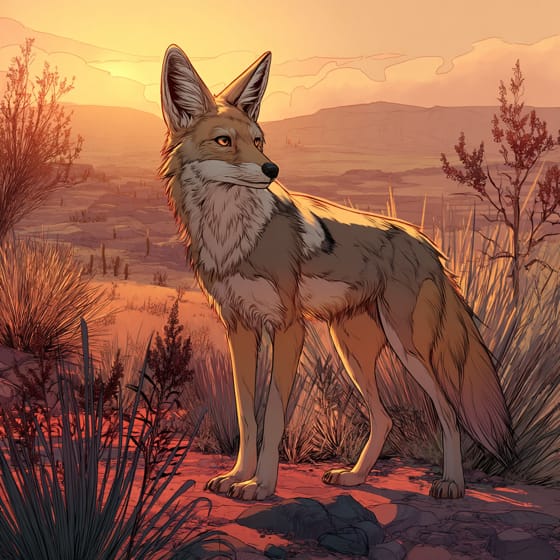
Canis latrans
Coyotes sometimes prey on rattlesnakes.
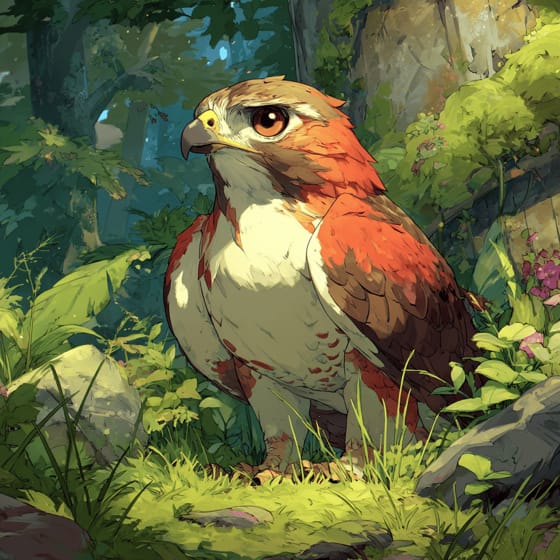
Buteo jamaicensis
Hawks are known to hunt and eat rattlesnakes.
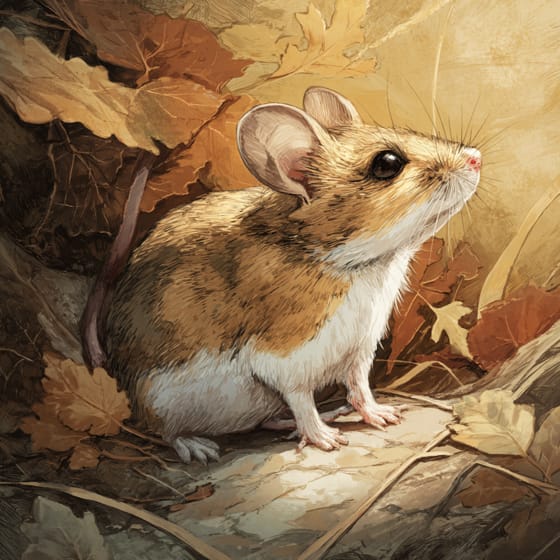
Peromyscus maniculatus
Rattlesnakes frequently hunt deer mice.
Dipodomys spectabilis
Many rattlesnakes hunt kangaroo rats.
Marked with spots or patches of a different color.
Solitary animals live alone for most of their lives, only interacting with others for mating or parental care.
Camouflaged describes organisms that possess coloring or patterns that allow them to blend into their environment.
Thermoregulating organisms maintain a stable internal body temperature despite fluctuations in the external environment.

Desert habitats are arid regions characterized by extremely low precipitation and often extreme temperatures, supporting specialized flora and fauna.

An ambush predator hunts by patiently waiting and concealing itself, then launching a sudden attack when unsuspecting prey comes within range.

This trait identifies organisms whose diet consists entirely or primarily of animal tissue.

Nocturnal animals are primarily active during the nighttime hours, typically resting or sleeping during the day.

Venomous organisms produce toxins that are injected into another animal, typically through a bite or sting.

Endangered status indicates a species is at a very high risk of extinction in the wild in the near future.
Danger
5/5 · Extreme
If you see a rattlesnake, stay calm and walk away slowly. It's best to watch from a safe distance.
The easiest way to identify Rattlesnakes is to use the Snappit nature identifier app.
50-250 cm
0.5-4.5 kg
10-20 years
12 km/h
Rattlesnakes are predators that mainly eat small mammals, using their venom to quickly subdue prey.
Desert
Ambush
Zoom in to split clusters and explore where this object has been snapped.
Recent snaps will appear here as new observations are added.
Take the discovery with you
Snap it with Snappit to identify it, learn what makes it special, and add the discovery to your collection.















