






Krill
Grimothea
Krill are tiny, shrimp-like creatures that live in the ocean. They are an important food source for many animals, like whales and penguins.
Habitat: Marine
The Krill has a translucent, shrimp-like body, often with a reddish hue due to pigments from its diet. It features large, prominent black eyes and visible light-producing organs along its underside, giving it a distinctive glow in the deep ocean.
Category
InvertebrateRarity
Common
Danger
1/5 · Very low
Snaps
Be the first to snap!
A single blue whale can eat up to four tons of krill in just one day!
Krill can molt their entire exoskeleton up to ten times a year as they grow!
Krill swarms can be denser than any animal group, with up to 30,000 individuals in one cubic meter!
Some krill can shrink their bodies in winter to save energy when food is scarce!
Krill can glow with their own light using special organs called photophores that helps them hide from predators and communicate.
Krill can filter-feed by using their basket-like legs to sweep up tiny plants from the water, which helps them collect food.
Krill can form massive groups called swarms that helps them confuse predators and find mates more easily.
Krill can rapidly swim backwards by flipping their tails, a quick escape maneuver that helps them dodge danger.
Tiny ocean plants are a krill's main meal, which they filter from the water.
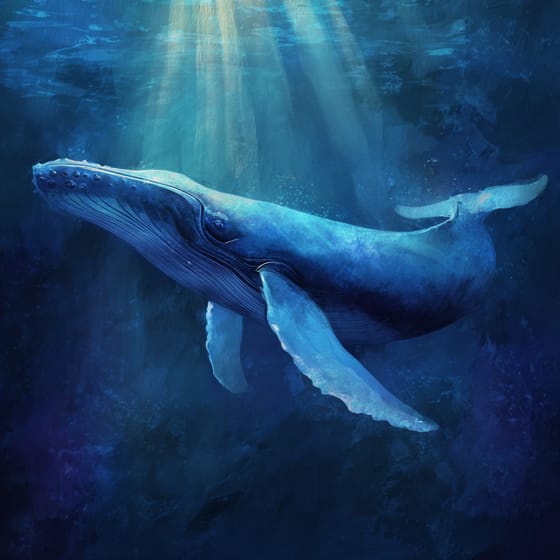
Balaenoptera musculus
They consume tons of krill daily, making them crucial for whales.
Pygoscelis adeliae
Krill are a vital food source for these penguins in Antarctica.
Phaeocystis antarctica
Krill graze on this abundant microscopic algae as their primary food.
Leptonychotes weddellii
Seals rely on krill as a major part of their diet in icy waters.
Wildlife encompasses all undomesticated animal and plant life existing in their natural habitats.
Social animals live in organized groups, cooperating for survival benefits such as foraging, defense, and raising offspring.
Filter feeders obtain nutrients by straining suspended food particles and small organisms from water.
Describes a species whose presence and role have a disproportionately large effect on its environment.

Marine habitats encompass all saltwater environments of the Earth's oceans, supporting an immense diversity of aquatic life.

Pertaining to organisms that emit light through bioluminescence or fluorescence.
No aliases listed yet.
Danger
1/5 · Very low
If you ever see krill in the ocean, admire them from a distance and let them swim freely.
10-60 mm
1825-2190 days
Tiny ocean plants are a krill's main meal, which they filter from the water.
Marine
Filter Feeding
10
Zoom in to split clusters and explore where this object has been snapped.
Recent snaps will appear here as new observations are added.












