Horned Lizard
Phrynosoma douglasii
The Horned Lizard has a spiky body that helps it defend against predators! It can blend in with the sand and dirt.
Habitat: Deserts and arid regions
The Horned Lizard has a flattened, oval-shaped body covered in spiny scales. Its head is crowned with a row of small, sharp horns. Colors vary from earthy browns and grays to reds and yellows, often mottled to perfectly blend into its desert habitat.
Category
ReptilesRarity
Common
Danger
2/5 · Low
Snaps
Be the first to snap!
Horned lizards aren't toads, they're true reptiles with scales!
Some species give birth to live babies instead of laying eggs!
They can drink water by absorbing it through their skin.
They use their flattened bodies to scoop up sand and quickly hide.
Horned Lizards have spiky, mottled skin that helps them perfectly blend into sandy or rocky terrain, making them almost invisible.
Horned Lizards have sharp, spiky scales all over their body that makes them very difficult for predators to swallow or hold onto.
Horned Lizards can inflate their bodies with air, making themselves appear larger and more intimidating to scare away threats.
These spiky lizards love munching on ants, using their sticky tongues to catch them quickly!
Formica fusca
primary food source for the lizard
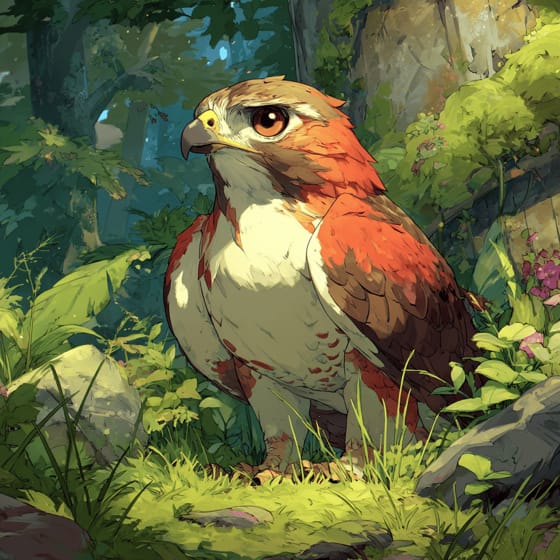
Buteo jamaicensis
a common avian predator of horned lizards
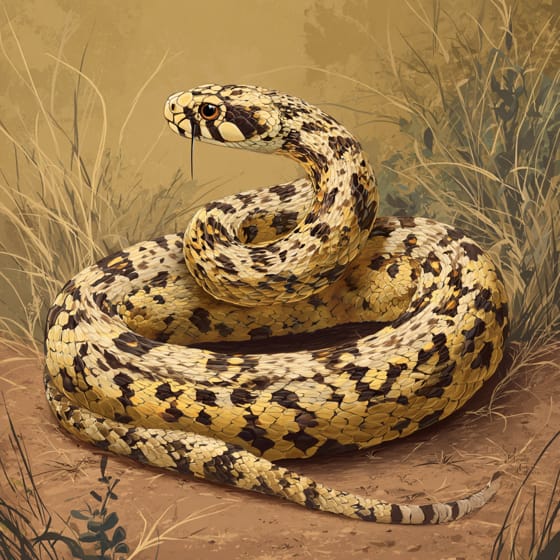
Pituophis catenifer
ground predator that preys on horned lizards
Wildlife encompasses all undomesticated animal and plant life existing in their natural habitats.
Camouflaged describes organisms that possess coloring or patterns that allow them to blend into their environment.
This trait identifies organisms whose diet primarily consists of insects and other small invertebrates.
Desert habitats are arid regions characterized by extremely low precipitation and often extreme temperatures, supporting specialized flora and fauna.

Possessing sharp, pointed projections or spines on the body or surface.
Regenerative organisms possess the ability to regrow lost or damaged body parts, tissues, or organs.

Nocturnal animals are primarily active during the nighttime hours, typically resting or sleeping during the day.

Venomous organisms produce toxins that are injected into another animal, typically through a bite or sting.
Danger
2/5 · Low
Look but don’t touch. Keep a safe distance and wash hands after exploring.
6-10 cm
0.01-0.03 kg
5-8 years
8 km/h
These spiky lizards love munching on ants, using their sticky tongues to catch them quickly!
Deserts and arid regions
Ambush
5-15
Zoom in to split clusters and explore where this object has been snapped.
Recent snaps will appear here as new observations are added.