


Northern Fur Seal
Callorhinus ursinus
Northern Fur Seals are playful and friendly animals. They love to swim and can often be seen basking on rocks in the sun.
Habitat: Open ocean and rocky shorelines
The Northern Fur Seal has a sleek body covered in a very dense, dark brown to black fur, often with a paler chest. Males are much larger and possess a thick, shaggy mane around their neck. They are visually distinct from 'true' seals by having small, visible external ear flaps and powerful, rotating hind flippers.
Category
MammalsRarity
Common
Danger
2/5 · Low
Snaps
Be the first to snap!
Newborn pups weigh just 5-6 kg, but grow super fast!
Their whiskers are super sensitive, helping them find prey in the dark!
These amazing seals can turn their back flippers forward to walk on land!
They spend 80% of their life at sea, rarely coming to land!
Northern Fur Seals can swim incredibly fast and gracefully using their large, paddle-like front flippers.
Northern Fur Seals can dive over 200 meters deep to hunt for food because of their ability to hold their breath.
Northern Fur Seals have incredibly thick, soft fur that traps air, keeping them warm in icy ocean waters.
Northern Fur Seals can turn their hind flippers forward, which helps them walk and climb on rocky land.
These agile hunters love to eat fish and squid, diving deep to find their meals in the ocean.
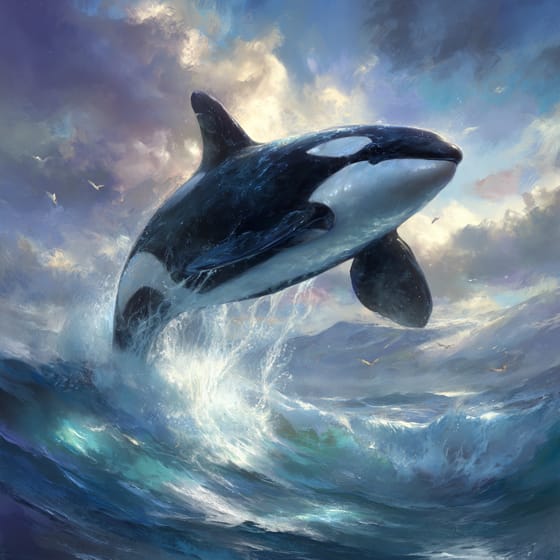
Orcinus orca
Apex predators that hunt seals.
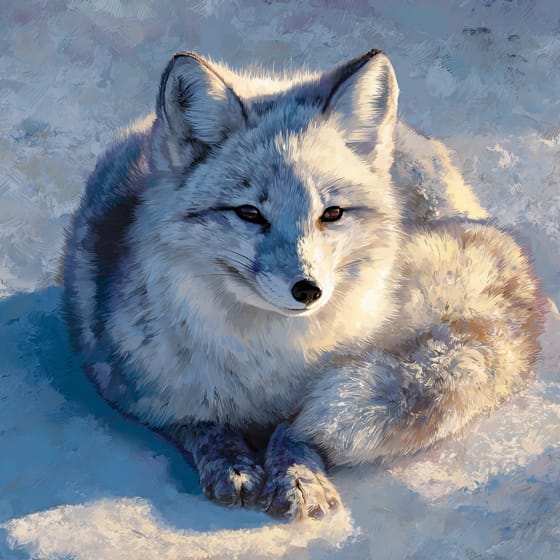
Vulpes lagopus
Preys on pups on breeding islands.
Gadus chalcogrammus
A major food source for adult seals.
Todarodes pacificus
An important prey item for seals.
Wildlife encompasses all undomesticated animal and plant life existing in their natural habitats.
Furry describes animals possessing a dense covering of soft hair or fur.
Possessing prominent sensory hairs or vibrissae, often around the snout.
Social animals live in organized groups, cooperating for survival benefits such as foraging, defense, and raising offspring.

Piscivorous organisms are animals that primarily subsist on a diet of fish.

Coastal habitats are dynamic environments located along the interface between land and sea, influenced by tides, waves, and saltwater.

Describes a species whose presence and role have a disproportionately large effect on its environment.

Aquatic habitats encompass environments where organisms live predominantly in water, including oceans, rivers, lakes, and wetlands.
Danger
2/5 · Low
While Northern Fur Seals are generally not dangerous, it's best to admire them from a distance.
140-210 cm
40-270 kg
20-25 years
27 km/h
These agile hunters love to eat fish and squid, diving deep to find their meals in the ocean.
Open ocean and rocky shorelines
Pursuit
1
Zoom in to split clusters and explore where this object has been snapped.
Recent snaps will appear here as new observations are added.