Mosquitoes
Culicidae
Mosquitoes are tiny flying insects that love warm weather. They have long legs and can be found buzzing around in gardens and near water. While they can be annoying, they are an important part of nature!
Habitat: Wetlands
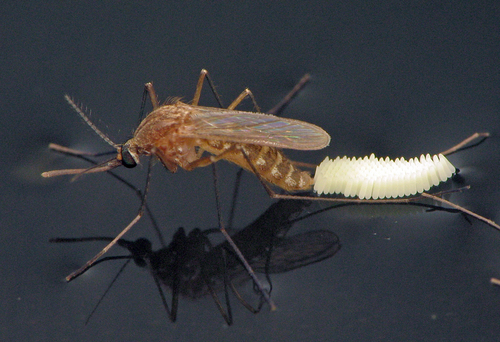
The Mosquitoes are small, slender insects, typically grey, brown, or black, with delicate, translucent wings and six long, spindly legs. They are easily recognized by their distinctive, needle-like proboscis extending from the head. Males often have feathery antennae.
Category
InsectsRarity
Common
Danger
2/5 · Low
Snaps
Be the first to snap!
A mosquito can drink more than its own body weight in blood during one meal!
Males never bite people; they only drink flower nectar and fruit juices for energy!
Mosquitoes can sense you breathing from over 100 feet away using special sensors!
They have 47 tiny, saw-like cutters on their proboscis, not teeth, to pierce skin!
Mosquitoes can detect carbon dioxide from breath to find animals for blood meals.
Mosquitoes have special saliva that stops blood from clotting, making it easier to drink.
Mosquitoes can lay their eggs directly on the surface of standing water, which protects them.
Male mosquitoes have feathery antennae that help them hear the unique wingbeats of females.
Most mosquitoes drink flower nectar, but females need blood meals to lay their eggs!
Age differences: Larvae feed on algae and detritus in water, while adults primarily consume nectar and, for females, blood.
Gambusia affinis
eats mosquito larvae in aquatic environments.
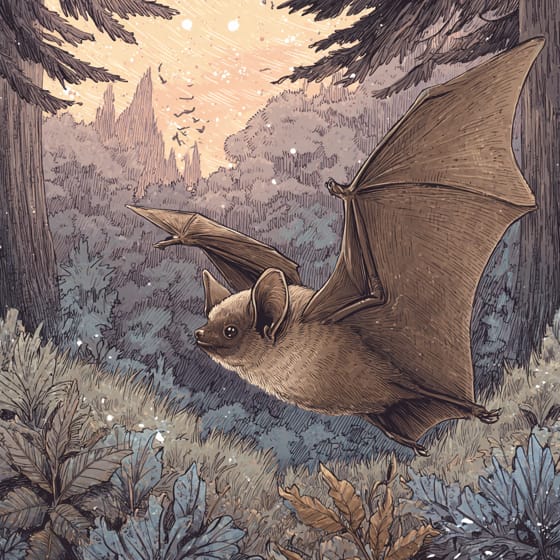
Myotis lucifugus
eats adult mosquitoes as a nocturnal predator.
Homo sapiens
eaten_by mosquitoes for necessary blood meals.
Plasmodium falciparum
parasitizes mosquitoes as part of its complex life cycle.
Social animals live in organized groups, cooperating for survival benefits such as foraging, defense, and raising offspring.
This habitat trait identifies species found in wetlands, which are areas of land saturated with water, either permanently or seasonally, including marshes, swamps, and bogs.
Describes a species whose presence and role have a disproportionately large effect on its environment.
Pertaining to species that are significantly smaller than typical or average for their kind.
This trait describes organisms that live on or in a host organism, obtaining nutrients at the host's expense.

Vampiric organisms are those that obtain nutrients by feeding on the blood or bodily fluids of other animals.

Nocturnal animals are primarily active during the nighttime hours, typically resting or sleeping during the day.

Describes organisms that transfer pollen, enabling the fertilization and reproduction of plants.
Danger
2/5 · Low
Avoid being outside during dawn and dusk when mosquitoes are most active. Wear long sleeves and use bug spray to stay safe.
4-7 mm
3-6 mm
5-50 days
2 km/h
Most mosquitoes drink flower nectar, but females need blood meals to lay their eggs!
Wetlands
Foraging
6
Zoom in to split clusters and explore where this object has been snapped.
Recent snaps will appear here as new observations are added.