

Death Cap
Amanita
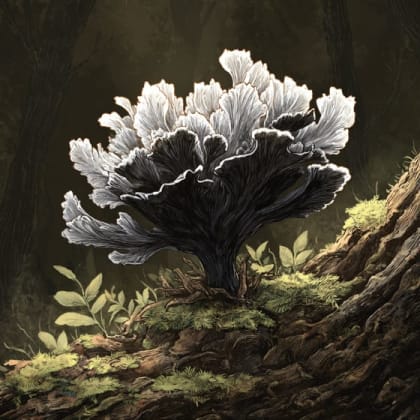
The Death Cap is a mushroom that looks innocent but is very dangerous! It's best not to touch or eat it.
Habitat: Forests
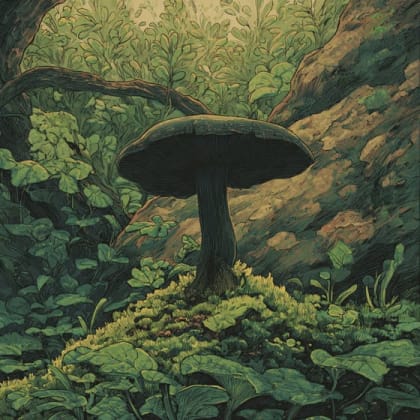
The Death Cap has a cap that ranges from pale yellow-green to olive-brown, often with white gills underneath. Its stem is typically white with a skirt-like ring and a distinctive, sac-like cup (volva) at the very base. These features make it deceptively similar to edible species.
Category
FungiRarity
Epic
Danger
1/5 · Very low
Snaps
Be the first to snap!
A tiny bite can contain enough poison to be deadly to an adult human.
Cooking the Death Cap does NOT destroy its deadly poisons, they are very heat stable.
Its toxins don't taste bad, making it even more dangerous as victims don't know they've eaten poison!
Many people who eat it mistake it for tasty edible mushrooms like the paddy straw mushroom.
Death Cap can produce deadly amatoxin poisons that destroy liver and kidney cells, making it extremely dangerous if eaten.
Death Cap has a special connection with tree roots, forming mycorrhizae that help both mushroom and tree gather nutrients.
Death Cap can release millions of tiny white spores to the wind, helping it travel far and wide to grow in new places.
Spore-producing organisms reproduce by releasing small, often single-celled, reproductive units called spores.
Describes organisms that break down dead organic material, recycling nutrients back into the ecosystem.
Forest habitats are terrestrial environments dominated by dense tree cover, supporting a high diversity of plant and animal life.
Poisonous organisms produce toxins that can cause harm when ingested, inhaled, or absorbed through contact.
Danger
1/5 · Very low
Do not pick or eat anything you find. Some plants and mushrooms can be harmful.
8-20 cm
deadly
5-15 cm
Forests
soil
Late summer to fall
White
Zoom in to split clusters and explore where this object has been snapped.
Recent snaps will appear here as new observations are added.