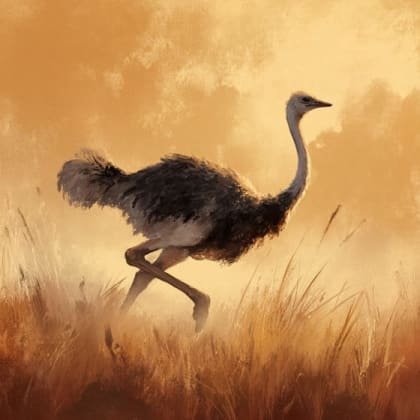
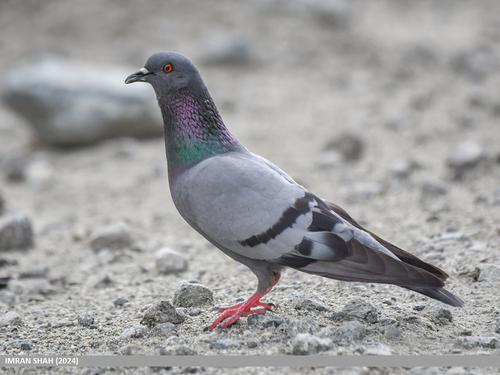
Rock Pigeon
Columba livia
Rock pigeons are friendly birds often seen in parks and cities. They have soft gray feathers and a gentle cooing sound that many people love.
Habitat: Cities, parks, and cliffs
The Rock Pigeon is a plump, grey bird with two distinct black bars on its wings and an iridescent green and purple sheen on its neck feathers. Its rump is typically whitish, distinguishing it from other similar urban birds.
Category
BirdsRarity
Common
Danger
1/5 · Very low
Snaps
Be the first to snap!
Ancient civilizations used pigeons to carry messages over long distances.
Pigeons are found on every continent except Antarctica.
Pigeons can see ultraviolet light, which helps them navigate and find food.
They can recognize and remember individual human faces for years.
Rock Pigeon can find its way home from hundreds of miles away because of a magnetic sense and excellent visual memory.
Rock Pigeon can reach speeds up to 90 km/h thanks to strong wing muscles, helping them escape predators.
Rock Pigeon parents produce 'crop milk' in their throat to feed their young, providing a nutritious first meal.
Rock Pigeons are omnivores, eating seeds, grains, and various scraps found in human environments.
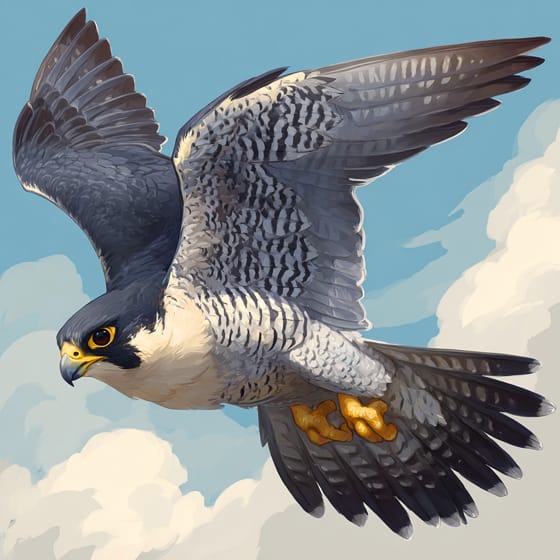
Falco peregrinus
A primary predator, especially in urban areas.
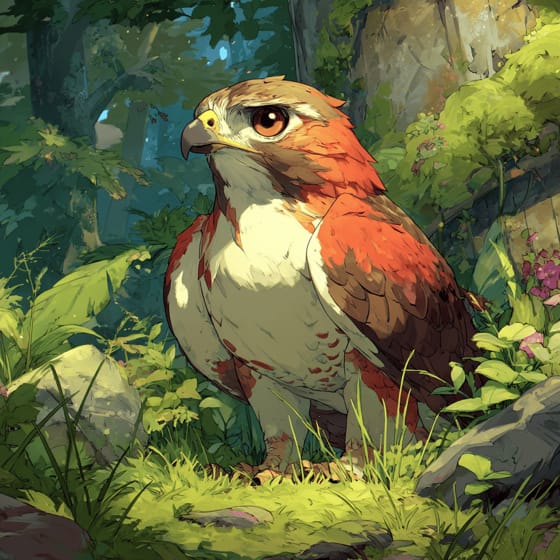
Buteo jamaicensis
Preys on pigeons in less urbanized areas.

Felis catus
An opportunistic hunter of pigeons, especially fledglings.
Homo sapiens
Pigeons rely on human activity for food and nesting.
Wildlife encompasses all undomesticated animal and plant life existing in their natural habitats.
Feathered describes animals, primarily birds, possessing a covering of feathers.
Social animals live in organized groups, cooperating for survival benefits such as foraging, defense, and raising offspring.
This trait identifies organisms whose diet includes both plant and animal matter.

Singing animals produce complex vocalizations, often for purposes of attracting mates, defending territory, or communicating within their species.

Diurnal animals are primarily active during daylight hours, typically resting or sleeping at night.

This habitat trait indicates species that can coexist with humans in urban and suburban environments, utilizing man-made structures and green spaces.
Danger
1/5 · Very low
Always watch birds from a distance and don’t try to touch or feed them.
30-37 cm
60-70 cm
0.25-0.38 kg
3-6 years
90 km/h
Rock Pigeons are omnivores, eating seeds, grains, and various scraps found in human environments.
Cities, parks, and cliffs
Foraging
Zoom in to split clusters and explore where this object has been snapped.
Recent snaps will appear here as new observations are added.

New York, US
You might spot Common Dandelion, Red Deadnettle, and Broad-Leaved Dock.
View guide →
.jpg)
District of Columbia, US
You might spot Duck, Eastern Gray Squirrel, and European Starling.
View guide →

District of Columbia, US
You might spot Duck, Ring-Billed Gull, and Canada Goose.
View guide →

Virginia, US
You might spot American Tuliptree and House Sparrow.
View guide →
Washington, US
You might spot Rock Pigeon, Eastern Gray Squirrel, and House Sparrow.
View guide →

South Holland, NL
You might spot Grey Heron, Eurasian Jackdaw, and Common Moorhen.
View guide →