Duck

Nestled between the Washington Channel and the Potomac River, East Potomac Park offers a tranquil and picturesque escape from the urban bustle of Washington D.
Nestled between the Washington Channel and the Potomac River, East Potomac Park offers a tranquil and picturesque escape from the urban bustle of Washington D.C. This man-made island, a verdant peninsula known for its serene waterfront views and diverse recreational opportunities, is a cherished green space within the National Mall and Memorial Parks system. It's a place where iconic cherry blossoms line the paths, and the sounds of nature, from the calls of Mallards and Canada Geese to the rustling of leaves inhabited by Eastern Gray Squirrels, provide a welcome respite.
Beyond its natural beauty, East Potomac Park is a hub of activity. The park boasts an extensive golf complex, including the oldest continually operating miniature golf course in the United States, alongside tennis courts, athletic fields, and scenic trails perfect for walking, biking, and running. Birdwatchers can delight in spotting Double-crested Cormorants, Ring-billed Gulls, American Robins, and even the majestic Bald Eagle, while those with a keen eye might also spot the vibrant Japanese Cherry and autumn clematis. The park's paved loop offers stunning vistas of the city's monuments and the planes taking off and landing at nearby Reagan National Airport.
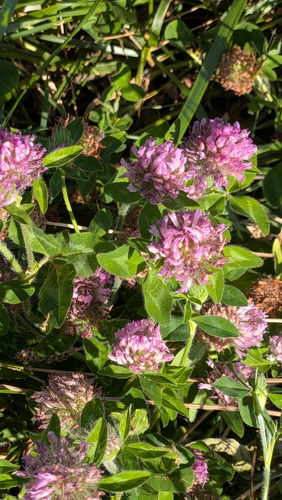
East Potomac Park is a truly memorable destination, whether you're seeking active recreation, a peaceful picnic spot, or simply a place to connect with nature amidst a thriving urban landscape. Its unique blend of historical significance, recreational facilities, and natural beauty, coupled with opportunities to observe a variety of local flora and fauna, including the common greenshield lichen, rosette lichen, willow oak, and white clover, makes it a must-visit for both locals and tourists. The park’s commitment to providing accessible public recreation has made it a beloved public space for over a century. Planning to visit? Download the Snappit app to identify the wildlife you spot in real-time.
East Potomac Park is a remarkable example of human ingenuity transforming a natural landscape. The island upon which the park sits was entirely man-made, created from sediment dredged from the Potomac River by the U.S. Army Corps of Engineers between 1880 and 1892. This ambitious project aimed to improve river navigation and address sanitation issues from the "Potomac Flats," which were then a muddy, mosquito-infested wasteland. Declared a public park in 1897 and opened to the public in 1912, it was always intended as a recreational area for city residents. The park's development continued throughout the 20th century, with the addition of significant recreational features. In 1912, Japan gifted cherry trees to the United States, and hundreds of these iconic trees were planted along East Potomac Park's shoreline, blooming every spring along Ohio Drive. The first golf course opened in 1920, and the miniature golf course, one of the nation's oldest, opened in 1930. East Potomac Park was historically significant in the fight for desegregation, with its golf course being fully integrated in 1941, a pioneering act that paved the way for the integration of other national park facilities.
Walk, run, or bike the 3.2 to 4.1-mile Ohio Drive loop around the park.
Play a round of golf, footgolf, or miniature golf.
Enjoy a picnic at one of the many picnic tables, some reservable for larger groups.
Play tennis at the East Potomac Tennis Center.
Go fishing along the banks of the Washington Channel and Potomac River (DC fishing license required).
Spot wildlife, including various bird species like Mallards, Canada Geese, and Bald Eagles.
Watch planes take off and land at Reagan National Airport.
Spring (late March - mid-April): Cherry blossoms are the main attraction. Kwanzan cherry trees in East Potomac Park typically bloom two weeks after the Yoshino cherries around the Tidal Basin, offering a second wave of blooms.
Summer: Popular for outdoor sports, picnics, and the East Potomac Park Swimming Pool.
Fall: Enjoy cooler temperatures and autumn foliage along the riverbanks.
Winter: Offers a quieter experience, with opportunities for birdwatching, especially gulls, when the rivers are partially frozen.
The park is largely flat with paved paths around its perimeter, making it suitable for walking, biking, and wheelchair access. Public restrooms are available in several locations.
The southern tip of the park, offering panoramic views of the confluence of the Potomac and Anacostia rivers and the skylines of DC and Arlington, Virginia.
Thousands of cherry trees line the park, offering a less crowded viewing experience than the Tidal Basin, particularly the later-blooming Kwanzan varieties.
Features an 18-hole course, two 9-hole courses, a driving range, and the nation's oldest continuously operating miniature golf course.
Concrete walking/biking paths along the perimeter provide scenic views.
Each card links to a full Explore page with photos, traits, and fun facts.









































Start with the big picture, then zoom in to explore individual wildlife observations around this place.
Arrive Early for Parking
Especially during weekends or cherry blossom season, free parking spots fill up quickly. Consider arriving early in the morning to secure a space.
Bike or Scooter for Convenience
The Ohio Drive loop is perfect for cycling. Rent a Capital Bikeshare or bring your own bike to easily navigate the park and access different areas.
Explore Hains Point
Don't miss the very southern tip of the park, Hains Point, for incredible panoramic water views and plane spotting.
Pack a Picnic
With numerous picnic tables and green spaces, East Potomac Park is an excellent location for a leisurely meal outdoors.
Look for Later Cherry Blossoms
If you miss peak bloom at the Tidal Basin, head to East Potomac Park for its abundant Kwanzan cherry trees, which typically bloom a couple of weeks later.
Bring Binoculars
For birdwatchers, binoculars will enhance your experience, allowing you to get a closer look at the diverse avian population, including Bald Eagles and various waterfowl.
Jun 19, 2026
Photo attribution
(c) Martin Kalfatovic, some rights reserved (CC BY)
License: CC BY 4.0 ↗
Image may be shown cropped inside the card frame.
Jun 19, 2026
Photo attribution
(c) Martin Kalfatovic, some rights reserved (CC BY)
License: CC BY 4.0 ↗
Image may be shown cropped inside the card frame.
Jun 19, 2026
Photo attribution
(c) Martin Kalfatovic, some rights reserved (CC BY)
License: CC BY 4.0 ↗
Image may be shown cropped inside the card frame.
Jun 19, 2026
Photo attribution
(c) Martin Kalfatovic, some rights reserved (CC BY)
License: CC BY 4.0 ↗
Image may be shown cropped inside the card frame.
Jun 19, 2026
Photo attribution
(c) Martin Kalfatovic, some rights reserved (CC BY)
License: CC BY 4.0 ↗
Image may be shown cropped inside the card frame.

Maryland, US
You might spot White-Tailed Deer and Eastern Gray Squirrel.
View guide →
.jpg)
District of Columbia, US
You might spot Eastern Gray Squirrel, Duck, and House Sparrow.
View guide →

Illinois, US
You might spot American Robin, Canada Goose, and House Sparrow.
View guide →

Virginia, US
You might spot Spotted Lanternfly and Northern Cardinal.
View guide →
Take the discovery with you
Identify the wildlife you spot, learn as you go, and keep a collection of the adventure.