Big Bluestem
Andropogon gerardii
Big Bluestem is a tall grass that can grow very high! It’s known for its blue-green color and is great for prairie habitats.
Habitat: Prairies and grasslands
The Big Bluestem is a tall, clumping grass with distinctive blue-green stems in summer, often tinged with purple. Its unique seed heads branch out like a turkey's foot, turning a vibrant rusty-red or bronze in autumn, making it easy to spot amidst other prairie grasses.
Category
PlantsRarity
Common
Danger
1/5 · Very low
Snaps
Be the first to snap!
In autumn, its stems turn a beautiful rusty-red, like a prairie sunset!
Its incredible roots can grow deeper than a full-size car is tall!
Pioneers used its tough sod to build sturdy houses, known as soddies!
This 'king of the prairie' creates rich, dark soil, making grasslands fertile.
Big Bluestem has roots that can plunge over 8 feet deep, helping it find water in droughts and hold soil against erosion.
Big Bluestem can quickly regrow after prairie fires, as its growth points are protected underground, making it fire-resistant.
Big Bluestem has a special C4 photosynthesis system, allowing it to grow efficiently even in hot, sunny, dry prairie conditions.

Bison bison
a primary food source for grazing bison
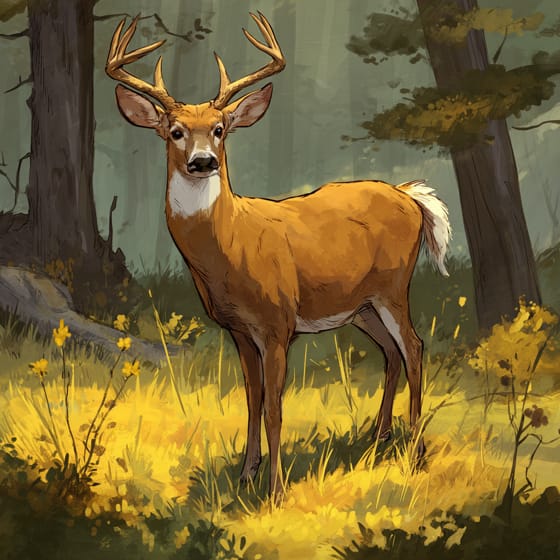
Odocoileus virginianus
grazed upon by deer, especially young shoots
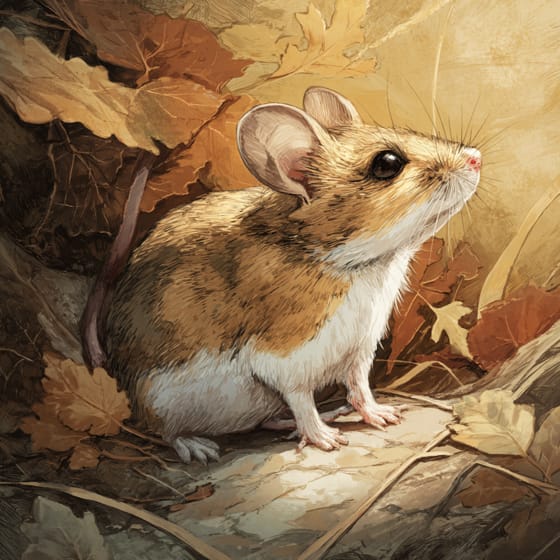
Peromyscus maniculatus
provides cover and nesting sites for small mammals
Passerculus sandwichensis
uses dense clumps for nesting and protection
Deciduous plants periodically shed all their leaves, typically during autumn or dry seasons.
Grass-like plants are herbaceous plants that visually resemble true grasses, typically having long, narrow leaves.
Drought-tolerant plants can survive and flourish in conditions with limited water availability.
Grassland habitats are terrestrial biomes dominated by grasses and herbaceous plants, supporting a variety of grazing animals.

Rapid growing plants exhibit accelerated growth rates, quickly increasing in size and biomass within a short period.
Danger
1/5 · Very low
Explore with care and ask an adult if you’re unsure what to do.
150-300 cm
60-90 cm
0.5-1.5 cm
Late summer to fall
No
None
Perennial
Wind
Zoom in to split clusters and explore where this object has been snapped.
Recent snaps will appear here as new observations are added.