





American Bison
Bison bison
The American Bison is a big, strong animal that roams the grasslands. They have thick fur and are known for their large heads and curved horns.
Habitat: Plains and grasslands
The American Bison is a large, sturdy mammal with a distinctive shaggy dark brown to black coat, especially on its head and shoulders. It has a prominent hump over its shoulders and short, curved horns, making it visually distinct from other bovine species.
Category
MammalsRarity
Common
Danger
3/5 · Moderate
Snaps
26
Baby bison, called 'red dogs', are born with reddish-orange fur!
Bison communicate with grunts, snorts, and even loud roars!
Bison love to rub against trees and rocks to scratch their itchy backs!
Their humped backs are supported by extra-long spines!
American Bison has an incredibly thick, insulating winter coat that helps them survive harsh, freezing temperatures on the open plains.
American Bison can use their massive heads to plow through deep snow, helping them uncover vegetation to eat during winter.
American Bison takes regular dust baths, which helps them remove parasites and loose fur, keeping their skin healthy.
These large herbivores graze on a variety of grasses and plants to fuel their massive bodies.
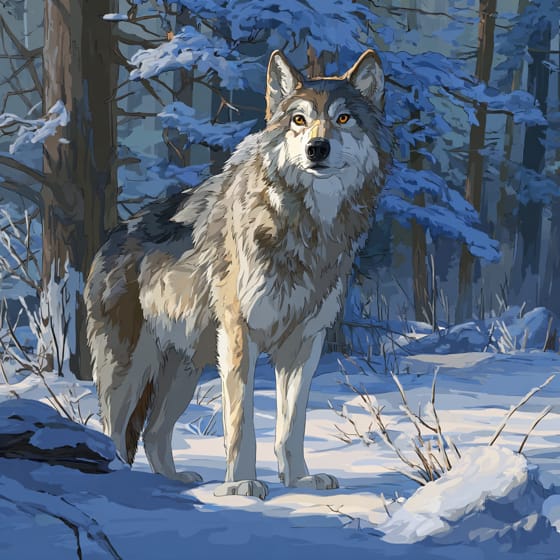
Canis lupus
Wolves often prey on bison calves or sick/elderly adults.
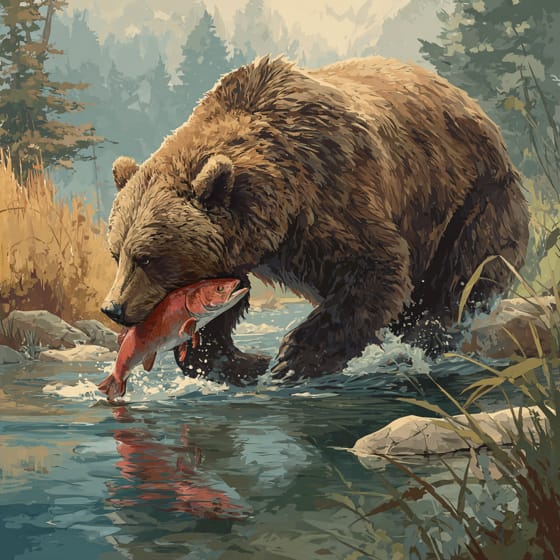
Ursus arctos
Grizzly bears will also prey on bison, especially calves.

Andropogon gerardii
Bison heavily graze on this tall prairie grass species.
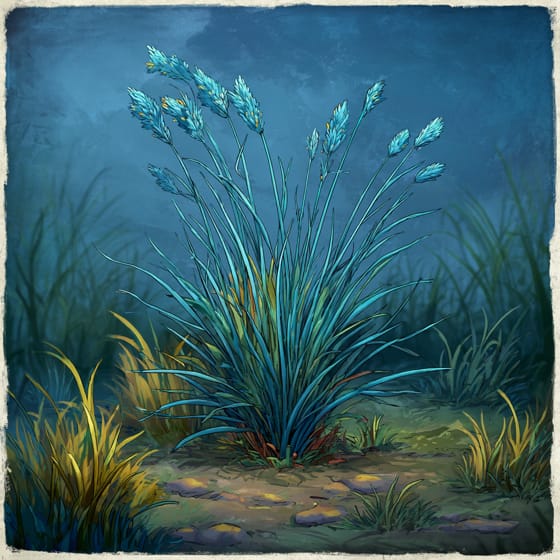
Schizachyrium scoparium
They commonly consume this widespread prairie grass.
Wildlife encompasses all undomesticated animal and plant life existing in their natural habitats.
Furry describes animals possessing a dense covering of soft hair or fur.
Social animals live in organized groups, cooperating for survival benefits such as foraging, defense, and raising offspring.
Characterized by having one or more hard, permanent, pointed projections on the head.

Grassland habitats are terrestrial biomes dominated by grasses and herbaceous plants, supporting a variety of grazing animals.

This trait characterizes organisms whose diet consists entirely or primarily of plant material.

Migratory animals undertake seasonal movements from one region to another, typically in response to changes in climate or food availability.
Danger
3/5 · Moderate
Always admire bison from a safe distance. They are wild animals and need space.
The easiest way to identify American Bison is to use the Snappit nature identifier app.
210-350 cm
300-1000 kg
15-20 years
56 km/h
These large herbivores graze on a variety of grasses and plants to fuel their massive bodies.
Plains and grasslands
Grazing
Zoom in to split clusters and explore where this object has been snapped.

Oklahoma, US
You might spot Hoary Vervain, Buffalo Gourd, and Pond Slider.
View guide →

Wyoming, US
You might spot Moose, Uinta Ground Squirrel, and American Bison.
View guide →

Wyoming, US
You might spot Moose, Arrowleaf Balsamroot, and Black Bear.
View guide →

Wyoming, US
You might spot Elk, Killdeer, and Black-Billed Magpie.
View guide →
.jpg&width=800)
Ohio, US
You might spot Reticulated Giraffe, Zebra, and American Bison.
View guide →
New York, US
You might spot Gorilla, Tiger, and Snow Leopard.
View guide →
Take the discovery with you
Snap it with Snappit to identify it, learn what makes it special, and add the discovery to your collection.





.jpg&width=800)



.JPG&width=800)

.jpg&width=800)
