





European larch
Larix decidua
The European larch is a tall tree that loves to grow in cool, mountainous areas. Its needles turn golden-yellow in the fall, making it a beautiful sight!
Habitat: Mountain regions
The European larch is a unique conifer that sheds its soft, bright green needles in autumn, turning a spectacular golden-yellow before they fall. Its bark is grayish-brown and fissured, with reddish-brown new shoots, making it stand out from evergreen conifers.
Category
PlantsRarity
Common
Danger
1/5 · Very low
Snaps
Be the first to snap!
Its sticky resin was historically used to make Venice turpentine, an old-fashioned glue!
Larch can be one of the fastest-growing conifer trees, shooting up to a meter a year!
Unlike most conifers, European larch needs lots of sunshine to grow big and strong!
Young larch cones start out red or purple before turning brown and woody!
European larch can survive harsh winters by shedding its needles, which reduces water loss when the ground is frozen.
European larch has incredibly strong and naturally durable wood that helps it resist decay and damage from insects.
European larch can quickly colonize disturbed lands, thriving in open, sunny areas to help new forests grow.
Laccaria laccata
Its fungi helps roots absorb nutrients.
Zeiraphera griseana
Its caterpillars munch on needles.
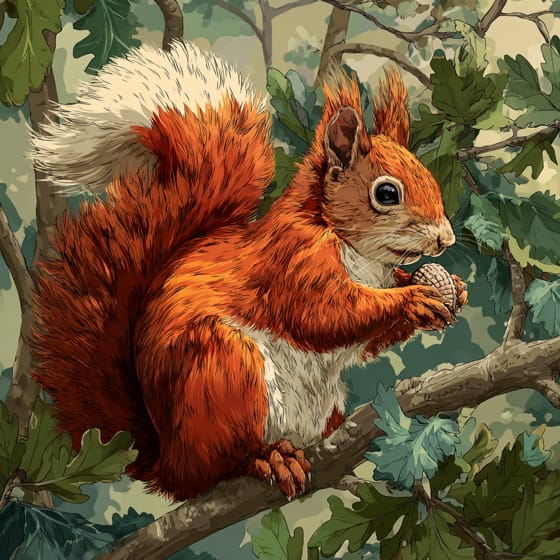
Sciurus vulgaris
Feasts on its nutritious seeds from cones.
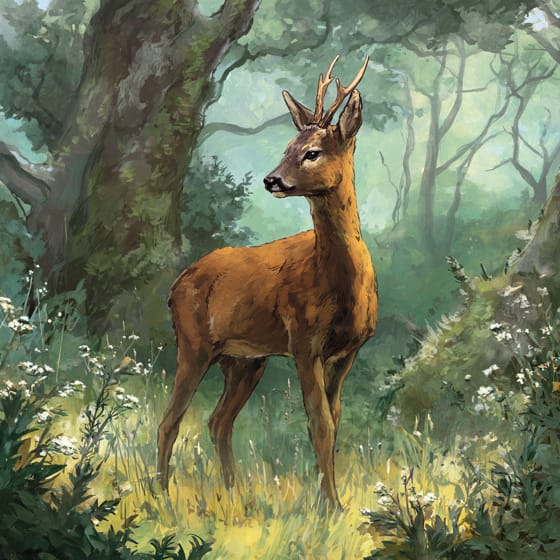
Capreolus capreolus
Browses on young shoots and bark.
Deciduous plants periodically shed all their leaves, typically during autumn or dry seasons.
Cold hardy plants are able to withstand low temperatures and freezing conditions without significant damage.
Coniferous plants are typically evergreen, bearing needles or scales and reproductive cones.
Fall color refers to the seasonal change in foliage pigmentation, primarily in deciduous plants, displaying vibrant hues.

Timber refers to wood that has been prepared for use in building and carpentry.

This habitat trait identifies species found in mountainous regions, characterized by high elevation, steep slopes, and varying climate zones.
No aliases listed yet.
Danger
1/5 · Very low
Stay on paths when exploring forests and don't climb trees without an adult.
The easiest way to identify European larch is to use the Snappit nature identifier app.
2500-4000 cm
800-1500 cm
Early spring
Yes
None
Perennial
Wind
Zoom in to split clusters and explore where this object has been snapped.
Recent snaps will appear here as new observations are added.
Take the discovery with you
Snap it with Snappit to identify it, learn what makes it special, and add the discovery to your collection.









.jpg&width=800)



_001.jpg&width=800)




