Little Bluestem
Schizachyrium scoparium
Little Bluestem is a pretty grass that turns a beautiful reddish color in the fall! It’s perfect for gardens and natural areas.
Habitat: Prairies and grasslands
The Little Bluestem has slender, blue-green stems that transform into fiery shades of orange, bronze, and deep red in the fall and winter. Its upright clumps are topped with delicate, fluffy seed heads that shimmer in the sunlight.
Category
PlantsRarity
Common
Danger
1/5 · Very low
Snaps
1
Its tough stems remain standing, even in heavy winter snows.
Little Bluestem is a vital part of healthy tallgrass prairie ecosystems.
Many small birds rely on its seeds for food during colder months.
This grass gets its name from the bluish tint of its stems!
Little Bluestem has extremely deep roots that help it find water during droughts and prevent soil erosion.
Little Bluestem can change its appearance dramatically, from blue-green in summer to brilliant red in fall, providing seasonal beauty.
Little Bluestem has a strong ability to grow in poor soils and disturbed areas, helping new ecosystems establish.
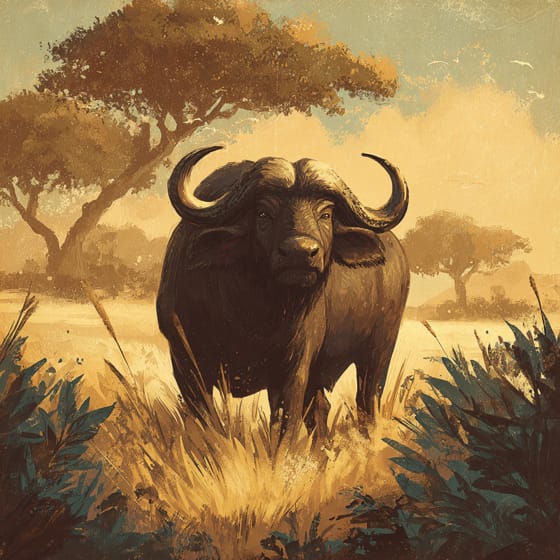
Bison bison
A favorite food for grazing bison.
Tympanuchus cupido
Provides nesting cover and protection.

Odocoileus virginianus
Deer browse on its tender shoots.
Ammodramus savannarum
Feeds on its small, nutritious seeds.
Shade tolerant plants are adapted to grow and thrive in areas with low light levels, requiring less direct sunlight.
Drought-tolerant plants can survive and flourish in conditions with limited water availability.
Fall color refers to the seasonal change in foliage pigmentation, primarily in deciduous plants, displaying vibrant hues.
Grassland habitats are terrestrial biomes dominated by grasses and herbaceous plants, supporting a variety of grazing animals.
Danger
1/5 · Very low
Explore with care and ask an adult if you’re unsure what to do.
60-150 cm
30-60 cm
Late summer to fall
No
None
Perennial
Wind
Prairies and grasslands
Zoom in to split clusters and explore where this object has been snapped.