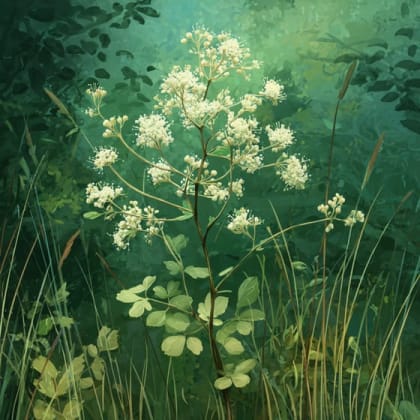
Orchard Grass
Dactylis glomerata
Orchard Grass is a lush grass that grows well in many places! It’s soft and perfect for grazing animals.
Habitat: Fields and meadows
The Orchard Grass is a cool-season grass that forms dense, bluish-green clumps or tussocks. Its broad, flat leaves can have a rough texture. The distinctive flower head appears as a compact, often one-sided, branched cluster of spikelets.
Category
PlantsRarity
Common
Danger
1/5 · Very low
Snaps
1
A single plant can release billions of tiny pollen grains into the air!
It got its common name because it often pops up in fruit orchards!
It's a super important food for many grazing farm animals!
This speedy grass is one of the first to grow tall each spring!
Orchard Grass can grow in dense clumps that help it resist trampling and provides shade for its roots.
Orchard Grass has a deep and fibrous root system that helps it find water during dry periods.
Orchard Grass releases vast amounts of lightweight pollen into the wind, helping it spread its genes far and wide.
Bos taurus
Main food source in pastures
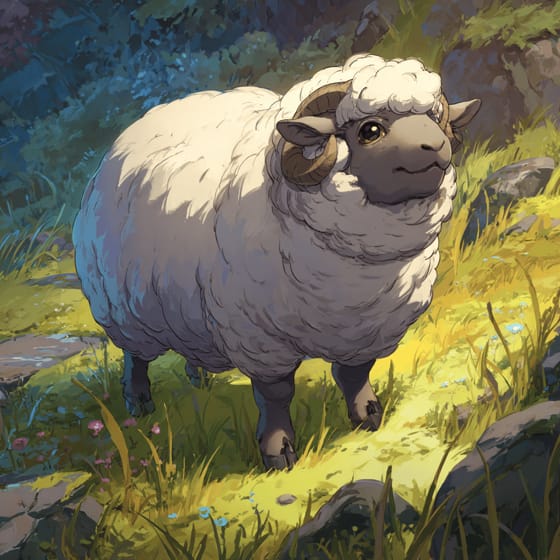
Ovis aries
Commonly grazed by livestock
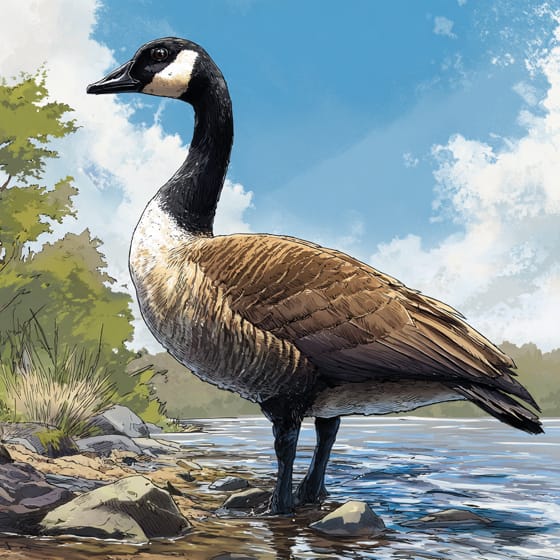
Branta canadensis
Often eats young grass shoots
Microtus pennsylvanicus
Dense clumps provide cover
Grass-like plants are herbaceous plants that visually resemble true grasses, typically having long, narrow leaves.
Spring blooming plants produce their flowers during the spring season, often signifying the end of winter and the start of new growth.
This human use trait describes species cultivated or domesticated by humans for agricultural purposes, including crops and livestock.
Grassland habitats are terrestrial biomes dominated by grasses and herbaceous plants, supporting a variety of grazing animals.

Rapid growing plants exhibit accelerated growth rates, quickly increasing in size and biomass within a short period.
Danger
1/5 · Very low
Explore with care and ask an adult if you’re unsure what to do.
30-140 cm
0.1-0.3 cm
Late_spring_to_early_summer
Yes
None
Perennial
Wind
Fields and meadows
Zoom in to split clusters and explore where this object has been snapped.
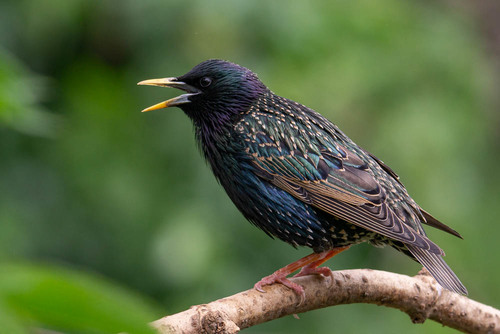
New York, US
You might spot European Starling, Henbit Deadnettle, and Red Deadnettle.
View guide →

Pennsylvania, US
You might spot New York Fern, Common Milkweed, and True Sedges.
View guide →

British Columbia, CA
You might spot Douglas Fir, Silverleaf Phacelia, and Rocky Mountain Maple.
View guide →
British Columbia, CA
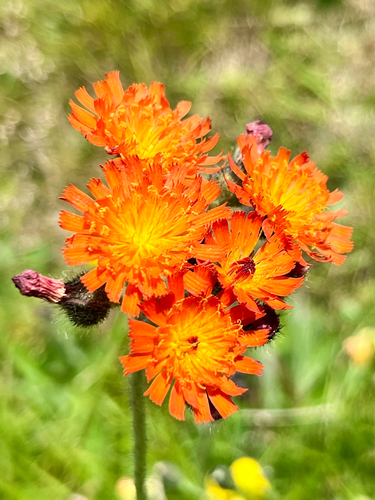
You might spot Orange Hawkweed, Shinyleaf Meadowsweet, and Columbia Lily.
View guide →