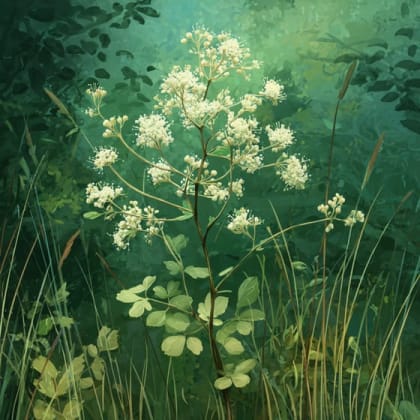
Tea Plant
Camellia sinensis
Tea Plant is a special plant that makes tea! It has shiny leaves and loves warm, sunny places.
Habitat: Tea gardens
The Tea Plant is a glossy-leaved evergreen shrub or small tree with dark green, leathery leaves and fragrant white or pinkish-white flowers. Its leaves are typically oval-shaped with serrated edges, and its delicate flowers feature prominent yellow stamens.
Category
PlantsRarity
Rare
Danger
1/5 · Very low
Snaps
Be the first to snap!
All types of tea, like black and green, come from this one amazing plant!
Its tiny seeds can be pressed to make a special oil for cooking and cosmetics.
Some ancient tea plants growing wild are more than a thousand years old!
The world's most popular drink after water is made from its leaves. Wow!
Tea Plant can produce caffeine in its leaves, which helps it defend against insect pests by making them less likely to eat it.
Tea Plant has special compounds called polyphenols that help it protect against damage from UV light and insect attacks.
Tea Plant keeps its leaves all year, allowing it to photosynthesize and grow even during cooler seasons.
Apis mellifera
helps flowers produce seeds
Bombus impatiens
gathers nectar from its blooms
Empoasca onukii
feeds on young tea leaves
Exobasidium vexans
causes leaf blight disease
Aromatic plants produce and emit fragrant volatile organic compounds, often for defense or to attract pollinators.
Evergreen plants retain their foliage throughout the year, never shedding all their leaves at once.
Fruit-bearing plants produce fruits, which are the mature ovaries of flowering plants containing seeds.
Medicinal plants possess chemical compounds that can be used for therapeutic purposes to treat illnesses or maintain health.

Edible plants are those parts of a plant that are considered safe for human consumption.
This habitat trait identifies species found in temperate rainforests, characterized by significant rainfall, mild temperatures, and dense evergreen or deciduous forests in coastal regions.
Danger
1/5 · Very low
Explore with care and ask an adult if you’re unsure what to do.
100-1500 cm
100-500 cm
2-4 cm
Fall to early winter
Yes
None
Perennial
Insect
Zoom in to split clusters and explore where this object has been snapped.
Recent snaps will appear here as new observations are added.