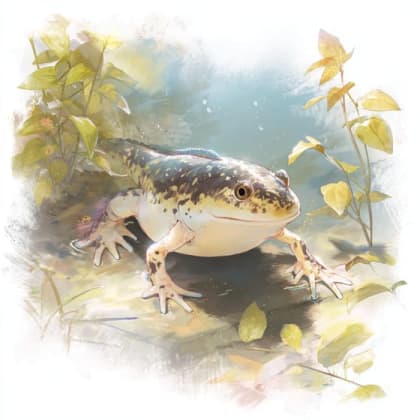
European Tree Frog
Hyla arborea
The European Tree Frog is a small, green frog that loves to climb trees and bushes. It has a loud, cheerful call that sounds like a musical 'croak' and is often found near ponds and wetlands.
Habitat: Wetlands
The European Tree Frog is typically bright lime green with a smooth back, which can change to shades of brown or grey. It has a distinctive dark stripe running from its nostril, through the eye, and along its flanks to the groin, separating its colored back from a creamy white belly.
Category
AmphibiansRarity
Common
Danger
1/5 · Very low
Snaps
Be the first to snap!
Male European Tree Frogs have a vocal sac almost as big as their head!
They can absorb water through their skin, so they don't need to drink!
They hibernate during winter by burying themselves in mud or under leaves!
Tree Frogs can leap over 20 times their own body length in a single jump!
European Tree Frogs have special sticky pads on their toes that help them climb and cling to leaves and branches with incredible grip.
This frog can change its skin color to match its surroundings, like leaves or bark, helping them hide from predators.
The European Tree Frog has a large vocal sac that inflates like a balloon, amplifying their loud mating calls across distances.
These agile hunters primarily feast on insects and other small invertebrates.
Age differences: Tadpoles eat algae and detritus; adults eat insects.
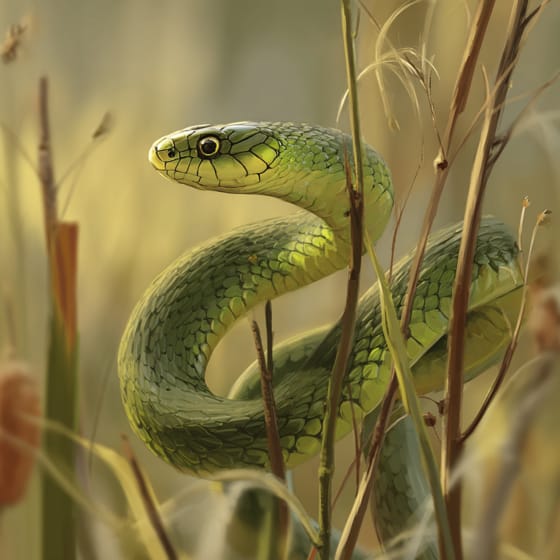
Natrix natrix
A common predator in their habitat.
Ardea cinerea
Birds can snatch frogs from vegetation.
Musca domestica
Flies are a common food source for adults.
Dytiscus marginalis
Predatory beetles hunt tadpoles in water.
Singing animals produce complex vocalizations, often for purposes of attracting mates, defending territory, or communicating within their species.
Arboreal animals live primarily in trees, utilizing them for shelter, food, and protection from predators.
Camouflaged describes organisms that possess coloring or patterns that allow them to blend into their environment.
Colorful describes organisms or objects displaying a wide range of bright and distinct colors.

This trait identifies organisms whose diet primarily consists of insects and other small invertebrates.

This habitat trait identifies species found in wetlands, which are areas of land saturated with water, either permanently or seasonally, including marshes, swamps, and bogs.

Nocturnal animals are primarily active during the nighttime hours, typically resting or sleeping during the day.
Danger
1/5 · Very low
Always watch frogs from a distance and don't try to catch them; they are best left in their homes.
3.5-5.5 cm
0.004-0.01 kg
5-7 years
0.1 km/h
These agile hunters primarily feast on insects and other small invertebrates.
Wetlands
Ambush
400-1500
Zoom in to split clusters and explore where this object has been snapped.
Recent snaps will appear here as new observations are added.