





Alpine Newt
Mesotriton alpestris
The Alpine Newt is a small, colorful amphibian that loves to live in cool, wet places. It has a bright orange belly and can be found near ponds and streams in the mountains.
Habitat: Mountain regions
The Alpine Newt is a small amphibian with smooth skin, typically displaying a dark grey to bluish-black back and flanks. Its most striking feature is a bright, unspotted orange to vivid yellow belly. Males may have a low, finely spotted crest during breeding season.
Category
AmphibiansRarity
Common
Danger
1/5 · Very low
Snaps
1
Wow! Alpine Newts often travel far from water to find food on land after breeding!
Wow! Some young Alpine Newts stay as larvae for over a year if conditions are right!
Wow! Their bright orange belly serves as a warning sign to potential predators!
Wow! They lay eggs one-by-one, folding each into a plant leaf for safety.
Alpine Newt can regrow lost limbs, tails, and even parts of their eyes and brain because of special cells that help them repair injuries.
Alpine Newt can live underwater for long periods, developing a tail fin and smooth skin that helps them swim and breathe through their skin.
Alpine Newt has glands in its skin that produce mild toxins, helping them deter predators who try to eat them.
Tiny newts munch on small bugs and other invertebrates both in water and on land.
Age differences: Young larvae eat even tinier aquatic organisms like plankton.
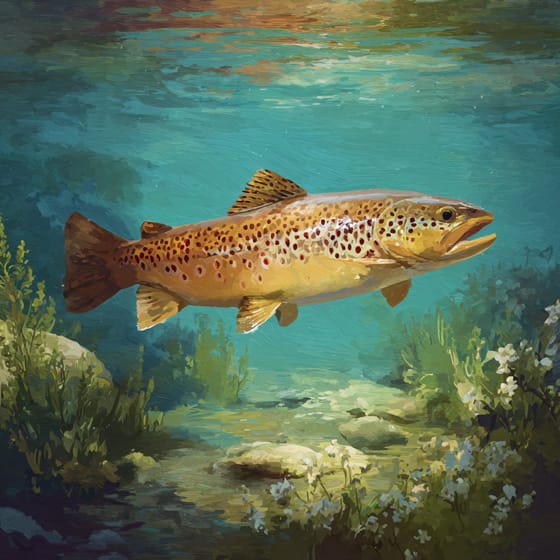
Salmo trutta
Brown Trout prey on newt larvae and adults in water.
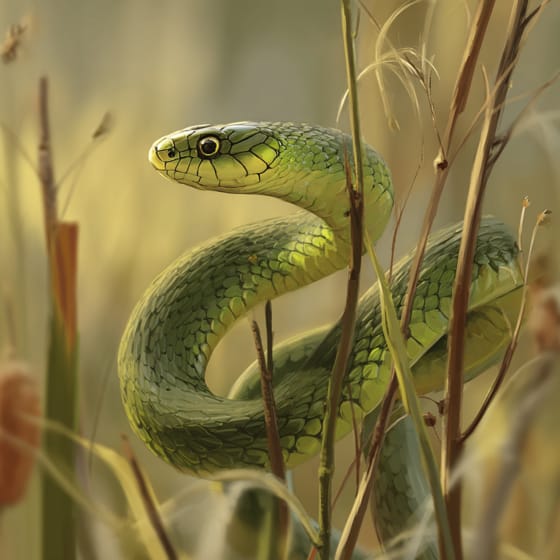
Natrix natrix
Grass Snakes hunt newts on land and near water.
Chironomus plumosus
Newts actively hunt midge larvae in aquatic environments.
.jpg&width=800)
Ardea cinerea
Grey Herons can catch newts in shallow water.
Solitary animals live alone for most of their lives, only interacting with others for mating or parental care.
Camouflaged describes organisms that possess coloring or patterns that allow them to blend into their environment.
Colorful describes organisms or objects displaying a wide range of bright and distinct colors.
This trait identifies organisms whose diet primarily consists of insects and other small invertebrates.

This habitat trait identifies species found in mountainous regions, characterized by high elevation, steep slopes, and varying climate zones.

Diurnal animals are primarily active during daylight hours, typically resting or sleeping at night.

Freshwater habitats include non-saline aquatic environments such as rivers, lakes, ponds, and wetlands, vital for numerous species.
Regenerative organisms possess the ability to regrow lost or damaged body parts, tissues, or organs.

Endangered status indicates a species is at a very high risk of extinction in the wild in the near future.
No aliases listed yet.
Danger
1/5 · Very low
Always wash your hands after touching any wild animals, including newts.
The easiest way to identify Alpine Newt is to use the Snappit nature identifier app.
8-12 cm
0.0015-0.01 kg
6-10 years
0.5 km/h
Tiny newts munch on small bugs and other invertebrates both in water and on land.
Mountain regions
Ambush
Zoom in to split clusters and explore where this object has been snapped.
Take the discovery with you
Snap it with Snappit to identify it, learn what makes it special, and add the discovery to your collection.








.JPG&width=800)


.jpg&width=800)

