Field Grasshopper
Chorthippus brunneus
Field Grasshoppers are green or brown bugs that love to hop around in fields. They make a chirping sound, especially in the summer!
Habitat: Fields and meadows
The Field Grasshopper is a slender insect, typically brown, grey, or sometimes greenish, allowing it to blend into dry grass. It has long, powerful hind legs for jumping and short antennae, differing from crickets by its daytime activity.
Category
InsectsRarity
Common
Danger
2/5 · Low
Snaps
Be the first to snap!
Grasshoppers hear sounds using special ears located on their bellies!
Many grasshoppers have wings but prefer to jump away from danger.
They 'sing' by rubbing their legs on their wings like a tiny violin!
They lay their eggs underground in a foamy pod to keep them safe!
Field Grasshopper can jump huge distances using powerful hind legs to escape predators with a sudden spring.
Field Grasshopper can make chirping sounds by rubbing its legs against its wings to attract a mate.
Field Grasshopper has a brown and green body that helps them blend perfectly with grass and soil.
They munch on different types of grasses and leafy plants found in fields and meadows.
Turdus merula
A common bird that hunts grasshoppers.
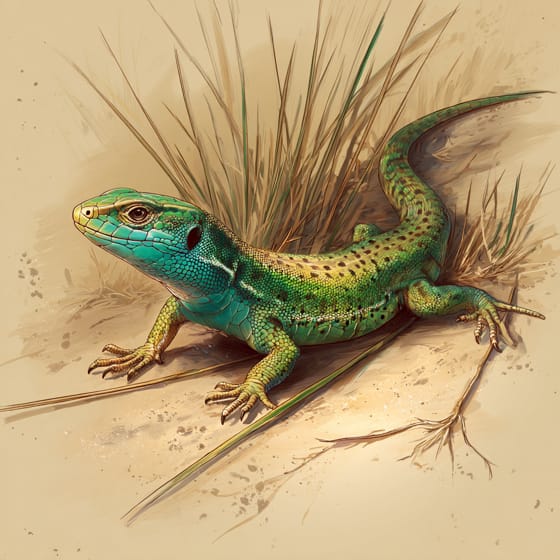
Lacerta agilis
Lizards actively hunt grasshoppers in their habitat.
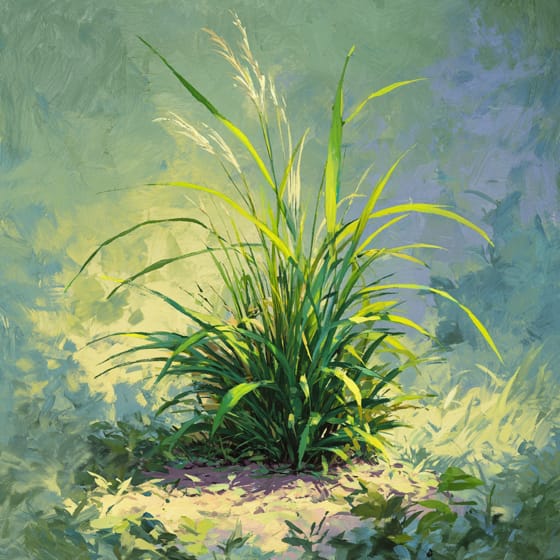
Poa pratensis
This grass is a primary food source for them.
Araneus diadematus
Spiders often catch grasshoppers in their webs.
Solitary animals live alone for most of their lives, only interacting with others for mating or parental care.
Singing animals produce complex vocalizations, often for purposes of attracting mates, defending territory, or communicating within their species.
This human use trait describes species cultivated or domesticated by humans for agricultural purposes, including crops and livestock.
Camouflaged describes organisms that possess coloring or patterns that allow them to blend into their environment.

Grassland habitats are terrestrial biomes dominated by grasses and herbaceous plants, supporting a variety of grazing animals.

This trait characterizes organisms whose diet consists entirely or primarily of plant material.

This trait signifies organisms belonging to a very old evolutionary group with ancestors dating back millions of years.

Diurnal animals are primarily active during daylight hours, typically resting or sleeping at night.

Regenerative organisms possess the ability to regrow lost or damaged body parts, tissues, or organs.
No aliases listed yet.
Danger
2/5 · Low
Do not touch or pick up. Some insects sting or bite. Ask an adult for help.
20-40 mm
15-25 mm
30-90 days
They munch on different types of grasses and leafy plants found in fields and meadows.
Fields and meadows
Grazing
6
Zoom in to split clusters and explore where this object has been snapped.
Recent snaps will appear here as new observations are added.