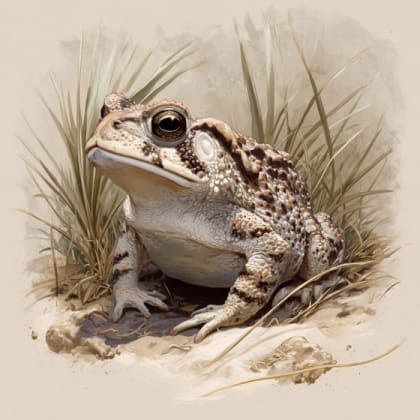
Fowler's Toad
Anaxyrus fowleri
Fowler's Toad is a small, cute toad that loves to sit in the sun! They have a unique call that sounds like a musical trill.
Habitat: Wetlands and sandy areas
The Fowler's Toad has warty skin, typically grey, brown, or olive green with dark spots, each containing three or more warts. Its belly is usually pale white or light grey, often with a single dark chest spot.
Category
AmphibiansRarity
Common
Danger
2/5 · Low
Snaps
63
Fowler's Toads often gather in large groups during rainy nights to breed.
Male Fowler's Toads sing loud, nasal "waaaah" calls to attract mates!
They swallow their shed skin to regain nutrients and leave no trace!
Unlike most amphibians, these toads can tolerate slightly salty, brackish water.
Fowler's Toad has glands behind its eyes that release a mild toxin to deter predators.
Fowler's Toad can dig backwards into sandy soil with its hind legs for shelter and moisture.
Fowler's Toad absorbs water directly through its permeable skin, never needing to drink with its mouth.
These toads primarily feast on small insects and other invertebrates found on the ground.
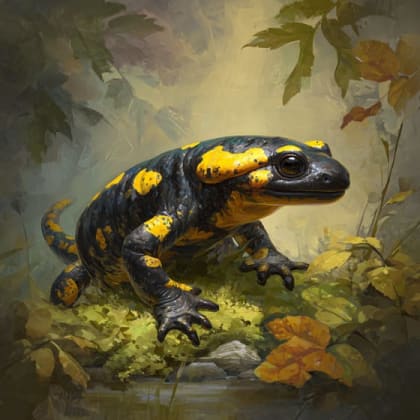
Thamnophis sirtalis
A common predator that can tolerate the toad's mild toxins.
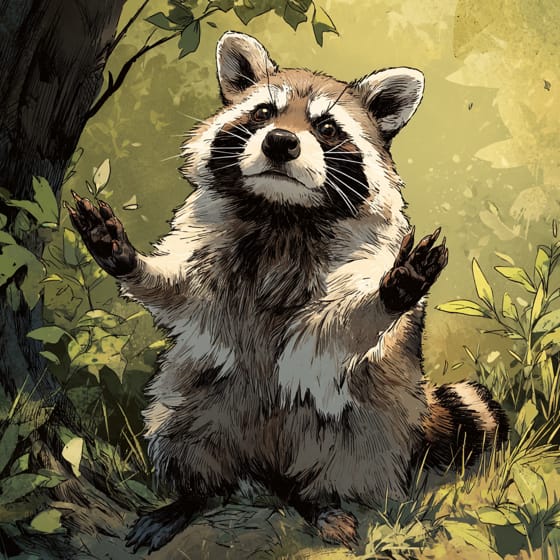
Procyon lotor
An opportunistic predator that preys on toads near water.
Formica fusca
Fowler's Toads frequently consume various ant species.
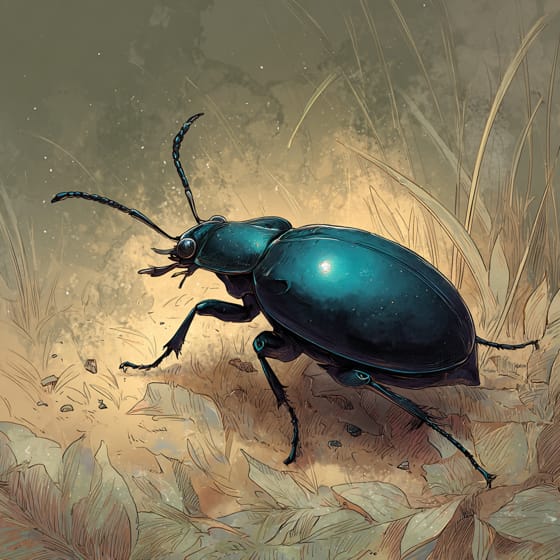
Carabus nemoralis
Beetles are a significant part of the toad's invertebrate diet.
Wildlife encompasses all undomesticated animal and plant life existing in their natural habitats.
Singing animals produce complex vocalizations, often for purposes of attracting mates, defending territory, or communicating within their species.
Camouflaged describes organisms that possess coloring or patterns that allow them to blend into their environment.
Colorful describes organisms or objects displaying a wide range of bright and distinct colors.

This trait identifies organisms whose diet primarily consists of insects and other small invertebrates.

This habitat trait identifies species found in wetlands, which are areas of land saturated with water, either permanently or seasonally, including marshes, swamps, and bogs.

Nocturnal animals are primarily active during the nighttime hours, typically resting or sleeping during the day.
Danger
2/5 · Low
Look but don’t touch. Keep a safe distance and wash hands after exploring.
5-9.5 cm
0.028-0.056 kg
3-5 years
1 km/h
These toads primarily feast on small insects and other invertebrates found on the ground.
Wetlands and sandy areas
Ambush
4000-12000
Zoom in to split clusters and explore where this object has been snapped.
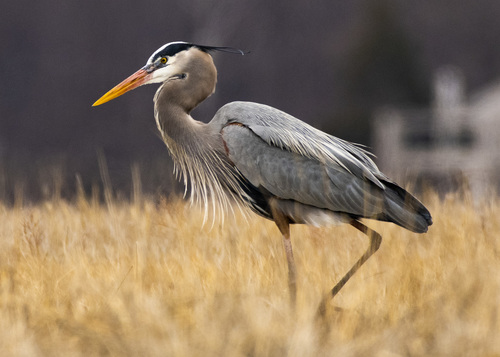
Virginia, US
You might spot Great Blue Heron, Canada Goose, and Red-Winged Blackbird.
View guide →

Virginia, US
You might spot Kiwi Bubbles, Common Pawpaw, and Eastern Skunk Cabbage.
View guide →

North Carolina, US
You might spot Common Watersnake, Fowler's Toad, and Fire Pink.
View guide →

Tennessee, US
You might spot American Coot, Crane-Fly Orchid, and Pied-Billed Grebe.
View guide →
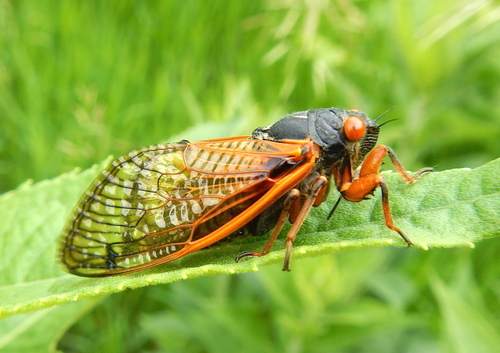
Ohio, US
You might spot Cassin's 17-Year Cicada, Pharaoh Cicada, and Leafcup.
View guide →
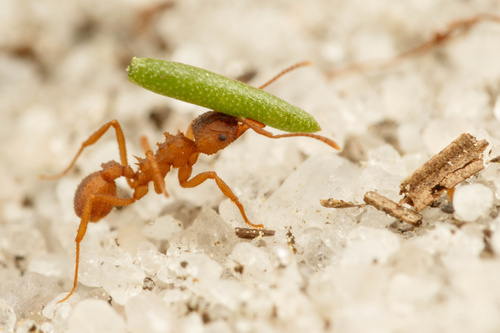
New York, US
You might spot Northern Fungus-Farming Ant and Bronzed Tiger Beetle.
View guide →