





Dwarf Frog
Euphlyctis cyanophlyctis
Dwarf frogs are tiny amphibians that live near ponds and streams. They have smooth, shiny skin and can jump really far. These frogs make cute chirping sounds to communicate with each other.
Habitat: Wetlands
The Dwarf Frog is a small amphibian, typically greenish-brown to grey with darker spots and a pale underside. It has warty skin and a distinct pointed snout, often found floating with only its eyes above water. Its fully webbed feet help it swim quickly.
Category
AmphibiansRarity
Common
Danger
1/5 · Very low
Snaps
Be the first to snap!
Male Dwarf Frogs puff out large vocal sacs to make loud calls and attract a mate.
These frogs can breathe underwater using their skin, like a secret superpower!
They are so common you might find them even in water puddles in busy cities!
Unlike many frogs, they often float on the surface, ready to dart away if disturbed.
The Dwarf Frog can quickly 'skitter' or skip across the water's surface, helping them escape predators or move between patches.
The Dwarf Frog has special adaptations that allow it to stay submerged for long periods, helping it hunt and hide from danger.
Dwarf Frogs have fully webbed hind feet that act like powerful paddles, helping them swim with amazing speed underwater.
These small frogs mostly munch on tiny insects and worms they find in the water.
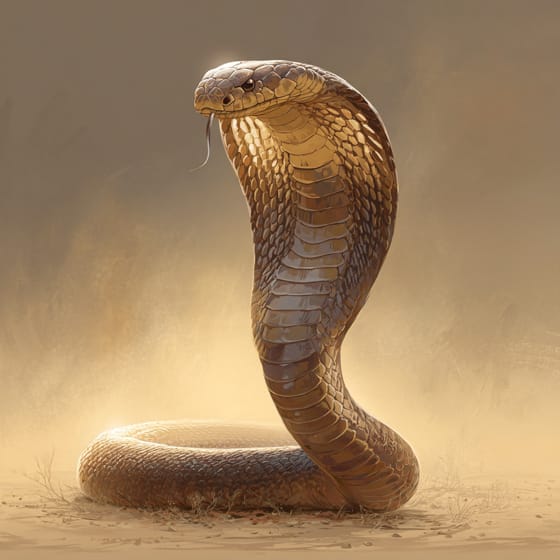
Naja naja
A snake predator ambushing frogs near aquatic homes.
.jpg&width=800)
Ardea cinerea
Large wading birds frequently hunt and consume frogs in shallow water.
Culex quinquefasciatus
Adult frogs consume mosquito larvae, controlling populations in water.
Channa striata
Larger fish often prey on adult frogs and their tadpoles.
Characterized by having toes connected by a membrane, typically aiding in swimming.
Social animals live in organized groups, cooperating for survival benefits such as foraging, defense, and raising offspring.
Camouflaged describes organisms that possess coloring or patterns that allow them to blend into their environment.
This trait identifies organisms whose diet primarily consists of insects and other small invertebrates.

This trait signifies organisms belonging to a very old evolutionary group with ancestors dating back millions of years.

This habitat trait identifies species found in wetlands, which are areas of land saturated with water, either permanently or seasonally, including marshes, swamps, and bogs.

Pertaining to species that are significantly smaller than typical or average for their kind.
Regenerative organisms possess the ability to regrow lost or damaged body parts, tissues, or organs.

Nocturnal animals are primarily active during the nighttime hours, typically resting or sleeping during the day.
No aliases listed yet.
Danger
1/5 · Very low
If you see a dwarf frog, observe from a distance and avoid touching them to keep them safe.
The easiest way to identify Dwarf Frog is to use the Snappit nature identifier app.
3-8 cm
0.005-0.025 kg
2-7 years
8 km/h
These small frogs mostly munch on tiny insects and worms they find in the water.
Wetlands
Ambush
Zoom in to split clusters and explore where this object has been snapped.
Recent snaps will appear here as new observations are added.
Take the discovery with you
Snap it with Snappit to identify it, learn what makes it special, and add the discovery to your collection.








.JPG&width=800)



.jpg&width=800)

