Corn Snake
Pantherophis guttatus
The Corn Snake is a beautiful snake with bright orange and red patterns! They are great pets and love to stay near cornfields.
Habitat: Fields and forests
The Corn Snake has a slender body, often displaying vibrant orange, red, and brown blotches bordered by black, against a grey or yellow background. Its distinctive pattern helps it blend into forest floors, making it visually different from solid-colored or striped snakes.
Category
ReptilesRarity
Common
Danger
2/5 · Low
Snaps
2
A corn snake sheds its whole skin at once, revealing a brand-new, shiny look!
Corn snakes hatch with a tiny "egg tooth" to break out of their shell!
Their name might come from corn because their belly pattern looks like kernels!
They can live over 20 years, even longer than many cats and dogs!
Corn Snake can climb trees and structures with ease because of special belly scales that grip surfaces for fantastic agility.
Corn Snake can squeeze prey tightly because of its strong, muscular body, which helps it overpower meals without venom.
Corn Snake can vibrate its tail rapidly, creating a buzzing sound that helps them scare away predators by mimicking rattlesnakes.
These constrictors are mighty hunters, feasting on small mammals and birds.
Age differences: Young snakes may also eat lizards and frogs.
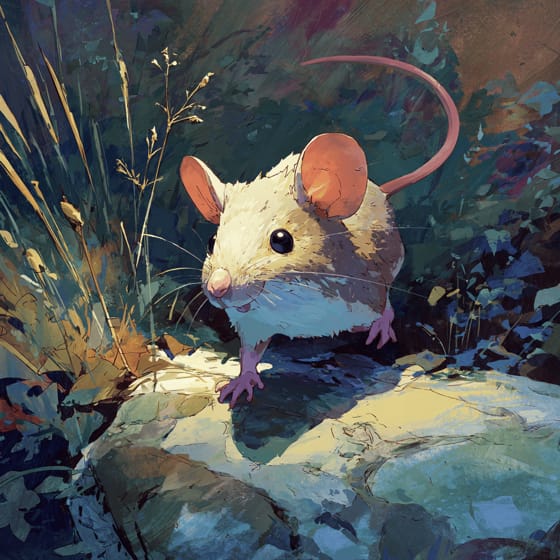
Mus musculus
Controls rodent populations.
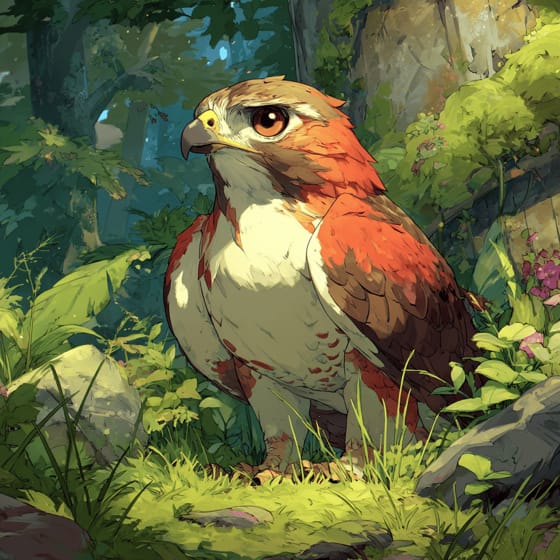
Buteo jamaicensis
A common predator in their habitat.
Didelphis virginiana
Opportunistic predator of snakes.
Microtus pennsylvanicus
A primary food source.
Wildlife encompasses all undomesticated animal and plant life existing in their natural habitats.
Colorful describes organisms or objects displaying a wide range of bright and distinct colors.
Forest habitats are terrestrial environments dominated by dense tree cover, supporting a high diversity of plant and animal life.
This trait identifies organisms whose diet consists entirely or primarily of animal tissue.

Nocturnal animals are primarily active during the nighttime hours, typically resting or sleeping during the day.
Danger
2/5 · Low
Look but don’t touch. Keep a safe distance and wash hands after exploring.
60-180 cm
0.2-1 kg
15-23 years
5 km/h
These constrictors are mighty hunters, feasting on small mammals and birds.
Fields and forests
Ambush
10-30
Zoom in to split clusters and explore where this object has been snapped.