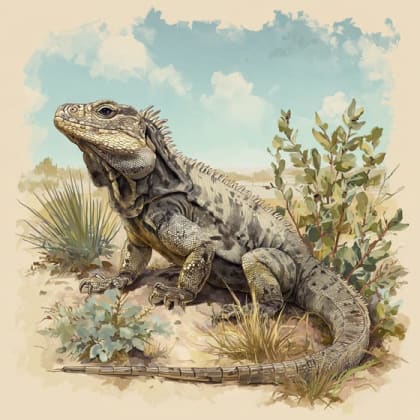
Eastern Rat Snake
Elaphe obsoleta
The Eastern Rat Snake is a long, sleek snake that helps keep the rodent population in check! They can be quite friendly.
Habitat: Forests and farmlands
The Eastern Rat Snake is typically a long, slender snake with highly variable coloration, often appearing shiny black with a white chin and throat. Some individuals can be blotched or patterned with shades of gray, brown, or yellow, making them easily confused with other species.
Category
ReptilesRarity
Common
Danger
2/5 · Low
Snaps
Be the first to snap!
A rat snake can 'freeze' mid-movement when startled, becoming perfectly still to blend into its surroundings.
These snakes are often called 'chicken snakes' because they love to eat eggs from chicken coops!
They are super helpful pest controllers, eating many mice and rats in barns and homes.
Young rat snakes look very different, often having blotchy patterns that fade as they grow older.
Eastern Rat Snake can climb trees and structures using specialized belly scales that grip rough surfaces, helping them raid bird nests for eggs and chicks.
Eastern Rat Snake has incredible constricting power, allowing it to quickly squeeze and overpower prey much larger than its head without using venom.
Eastern Rat Snake can vibrate its tail rapidly when threatened, creating a buzzing sound by hitting dry leaves or grass to mimic a rattlesnake.
These powerful constrictors eat warm-blooded prey like rodents and birds to stay strong.
Age differences: Younger snakes eat more amphibians and small lizards, while adults mostly hunt birds and mammals.
Wildlife encompasses all undomesticated animal and plant life existing in their natural habitats.
Arboreal animals live primarily in trees, utilizing them for shelter, food, and protection from predators.
Forest habitats are terrestrial environments dominated by dense tree cover, supporting a high diversity of plant and animal life.
This trait identifies organisms whose diet consists entirely or primarily of animal tissue.

Nocturnal animals are primarily active during the nighttime hours, typically resting or sleeping during the day.
Danger
2/5 · Low
Look but don’t touch. Keep a safe distance and wash hands after exploring.
100-200 cm
0.5-1.5 kg
15-25 years
4 km/h
These powerful constrictors eat warm-blooded prey like rodents and birds to stay strong.
Forests and farmlands
Ambush
6-30
Zoom in to split clusters and explore where this object has been snapped.
Recent snaps will appear here as new observations are added.