Inland Taipan
Oxyuranus microlepidotus
The Inland Taipan is one of the most venomous snakes in the world. It has beautiful scales that help it blend into its desert habitat.
Habitat: Desert
The Inland Taipan has a sleek, strong body that ranges in color from dark brown to olive green, often changing with the seasons. Its head is usually darker than its body, and it has large, dark eyes with a keen gaze, giving it a distinct appearance.
Category
ReptilesRarity
Epic
Danger
5/5 · Extreme
Snaps
Be the first to snap!
A single bite contains enough venom to kill over 100 adult humans!
Despite its fearsome venom, it's known as a very shy and reclusive snake!
Its fangs are so small that it can strike without fully opening its mouth!
They often live in deep cracks in dried mud, making them almost impossible to find!
Inland Taipan can strike prey with incredible speed, delivering venom instantly to overwhelm its meal.
Inland Taipan has scales that change color seasonally, helping it camouflage perfectly against the dry landscape.
Inland Taipan can inject the world's most potent venom, quickly paralyzing prey for an easy meal.
This top predator eats small furry animals found in its dry Australian home.
Rattus villosissimus
Primary prey in its native habitat.
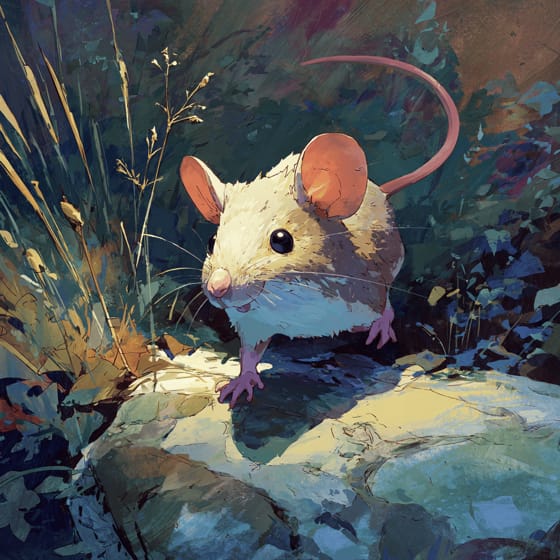
Mus musculus
Preys on introduced mice in its range.
Aquila audax
Sometimes hunted by large birds of prey.
Wildlife encompasses all undomesticated animal and plant life existing in their natural habitats.
Solitary animals live alone for most of their lives, only interacting with others for mating or parental care.
Burrowing animals dig tunnels and chambers in the ground, using these subterranean structures for shelter, hunting, or breeding.
Desert habitats are arid regions characterized by extremely low precipitation and often extreme temperatures, supporting specialized flora and fauna.

This trait identifies organisms whose diet consists entirely or primarily of animal tissue.

Venomous organisms produce toxins that are injected into another animal, typically through a bite or sting.

Endangered status indicates a species is at a very high risk of extinction in the wild in the near future.
Danger
5/5 · Extreme
If you see a snake in the wild, always stay a safe distance away and never try to touch it.
180-250 cm
3-4.5 kg
10-20 years
15 km/h
This top predator eats small furry animals found in its dry Australian home.
Desert
Ambush
10-20
Zoom in to split clusters and explore where this object has been snapped.
Recent snaps will appear here as new observations are added.