





Leatherback Sea Turtle
Dermochelys coriacea
The Leatherback Sea Turtle is the largest sea turtle in the world! They have a unique soft shell and love to dive deep into the ocean.
Habitat: Open oceans
The Leatherback Sea Turtle is the world's largest turtle, instantly recognizable by its unique leathery, ridged shell instead of a hard bony one. It has a dark, almost black body often speckled with white or pale spots. Its streamlined shape and huge front flippers are perfect for ocean travel.
Category
ReptilesRarity
Epic
Danger
2/5 · Low
Snaps
1
Baby leatherbacks emerge from eggs about the size of a billiard ball!
Instead of a hard shell, they have a tough, leathery skin!
These ancient reptiles have roamed Earth for over 100 million years!
They travel thousands of miles across oceans to nest!
Leatherback Sea Turtles have a unique ability to regulate their body temperature, helping them survive in icy cold ocean waters.
Leatherback Sea Turtles have backward-pointing spines in their throats that help them swallow slippery jellyfish without escape.
Leatherback Sea Turtles can migrate thousands of kilometers because their large, powerful flippers provide incredible swimming endurance.
These giant turtles mainly gobble up jellyfish and other soft-bodied ocean creatures!
Pelagia noctiluca
main food.
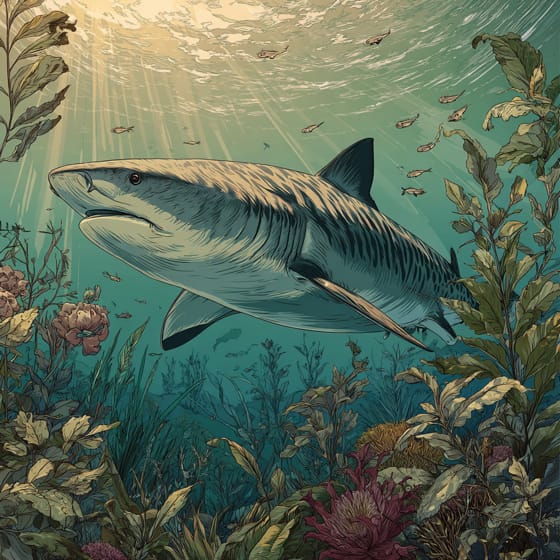
Galeocerdo cuvier
preys on hatchlings.
.jpg&width=800)
Ocypode quadrata
eats eggs.
Remora remora
gets a ride.
Filter feeders obtain nutrients by straining suspended food particles and small organisms from water.
Piscivorous organisms are animals that primarily subsist on a diet of fish.
This trait signifies organisms belonging to a very old evolutionary group with ancestors dating back millions of years.
This trait characterizes organisms with an exceptionally long lifespan compared to others of their kind.

Coastal habitats are dynamic environments located along the interface between land and sea, influenced by tides, waves, and saltwater.

Armored describes animals protected by a hard, external covering or shell for defense.

Aquatic habitats encompass environments where organisms live predominantly in water, including oceans, rivers, lakes, and wetlands.

Marine habitats encompass all saltwater environments of the Earth's oceans, supporting an immense diversity of aquatic life.

Migratory animals undertake seasonal movements from one region to another, typically in response to changes in climate or food availability.
Danger
2/5 · Low
Look but don’t touch. Keep a safe distance and wash hands after exploring.
The easiest way to identify Leatherback Sea Turtle is to use the Snappit nature identifier app.
180-220 cm
250-700 kg
30-50 years
35 km/h
These giant turtles mainly gobble up jellyfish and other soft-bodied ocean creatures!
10 km/h
Open oceans
Zoom in to split clusters and explore where this object has been snapped.

Florida, US
You might spot Green Iguana, Brown Basilisk, and Great Blue Heron.
View guide →

Florida, US
You might spot Green Iguana, Brown Basilisk, and Great Blue Heron.
View guide →
Take the discovery with you
Snap it with Snappit to identify it, learn what makes it special, and add the discovery to your collection.

















