





Fire Skink
Mochlus fernandi
Fire Skinks are beautiful lizards with bright orange and black stripes! They love to hide in the leaves and rocks.
Habitat: Tropical forests
The Fire Skink has a dazzling display of color with a bright red or orange head and flanks, contrasting sharply with a black mid-body stripe. Its back is a glossy, iridescent brown, and a distinct white line runs along its side, making it highly conspicuous.
Category
ReptilesRarity
Common
Danger
2/5 · Low
Snaps
Be the first to snap!
Despite their flashy colors, they can be surprisingly hard to spot in their leafy forest homes.
Fire Skinks often live under logs or rocks, hiding from predators and hunting for food!
Their shiny scales help them slide easily through tight spaces like tunnels in the dirt.
When threatened, Fire Skinks might puff up their bodies to look bigger and scarier!
Fire Skink can drop its tail if grabbed, distracting predators while it flees to safety and later regrows a new one.
Fire Skink has smooth, glossy scales that help it burrow swiftly through leaf litter and loose soil to hide or hunt.
Fire Skink can regrow a lost tail, allowing it to recover from encounters with predators without permanent harm.
These colorful skinks are hunters, mostly munching on tasty insects and other small critters found on the forest floor.
Naja nigricollis
A predator of skinks in their African habitat.
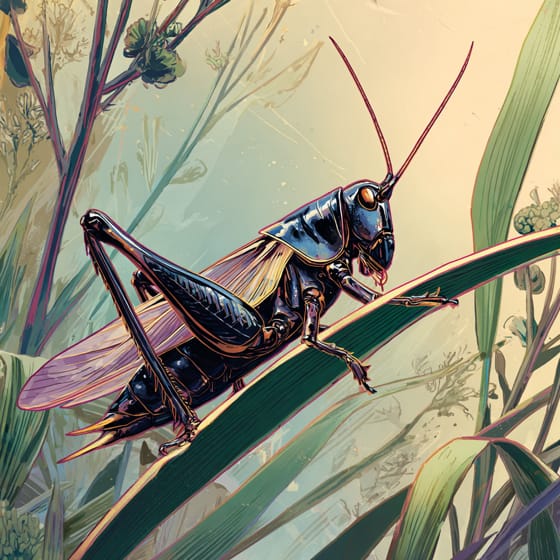
Gryllus campestris
A common insect prey for the Fire Skink.
Lumbricus terrestris
Often dug up and consumed by the skink.
Circaetus cinereus
This bird of prey hunts reptiles, including skinks.
Wildlife encompasses all undomesticated animal and plant life existing in their natural habitats.
Arboreal animals live primarily in trees, utilizing them for shelter, food, and protection from predators.
Camouflaged describes organisms that possess coloring or patterns that allow them to blend into their environment.
This trait identifies organisms whose diet primarily consists of insects and other small invertebrates.

This habitat trait refers to species found in tropical rainforests, characterized by high annual rainfall, high biodiversity, and dense tree cover.

This trait identifies organisms whose diet consists entirely or primarily of animal tissue.

This trait identifies organisms that exhibit exceptional swiftness in movement for hunting, escape, or travel.

Nocturnal animals are primarily active during the nighttime hours, typically resting or sleeping during the day.
Danger
2/5 · Low
Look but don’t touch. Keep a safe distance and wash hands after exploring.
The easiest way to identify Fire Skink is to use the Snappit nature identifier app.
30-38 cm
0.1-0.25 kg
10-15 years
8 km/h
These colorful skinks are hunters, mostly munching on tasty insects and other small critters found on the forest floor.
Tropical forests
Foraging
Zoom in to split clusters and explore where this object has been snapped.
Recent snaps will appear here as new observations are added.
Take the discovery with you
Snap it with Snappit to identify it, learn what makes it special, and add the discovery to your collection.














