




European Mole
Talpa europaea
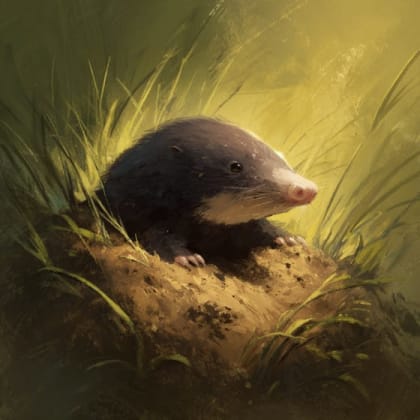
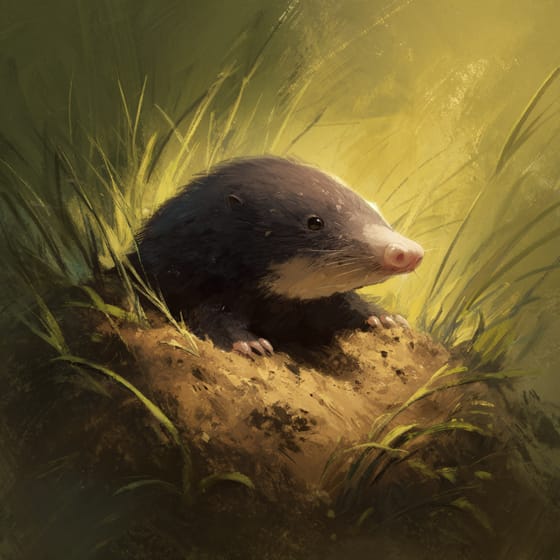
The European Mole is a small, furry animal that lives underground. It has tiny eyes and powerful front paws for digging tunnels in the soil.
Habitat: Moles like to live in gardens, fields, and forests where the soil is soft.
The European Mole is a small, cylindrical mammal with short, dense, dark grey to black velvety fur. It has tiny, hidden eyes and ears, and large, shovel-like front paws perfectly adapted for digging, which are pinkish and hairless.
Category
MammalsRarity
Common
Danger
1/5 · Very low
Snaps
2
A mole can dig a brand new tunnel up to 20 meters long in just one day!
Moles are active all year round; they don't hibernate during the cold winter months.
Their blood has extra hemoglobin to help them breathe in low-oxygen tunnels.
They store live, paralyzed earthworms in special underground 'larders' for later meals!
European Moles have powerful, outward-facing front paws with strong claws that helps them dig tunnels at incredible speeds.
European Moles have fur that lies flat in any direction that helps them move smoothly through narrow tunnels.
European Moles can smell their prey deep underground because of their sensitive nose, helping them find food in the dark.
European Moles can detect vibrations in the soil that helps them sense prey moving through the ground.
A mole loves to munch on juicy earthworms and other creepy crawlies found deep underground!
Lumbricus terrestris
Main food, often stored alive in 'larders'.
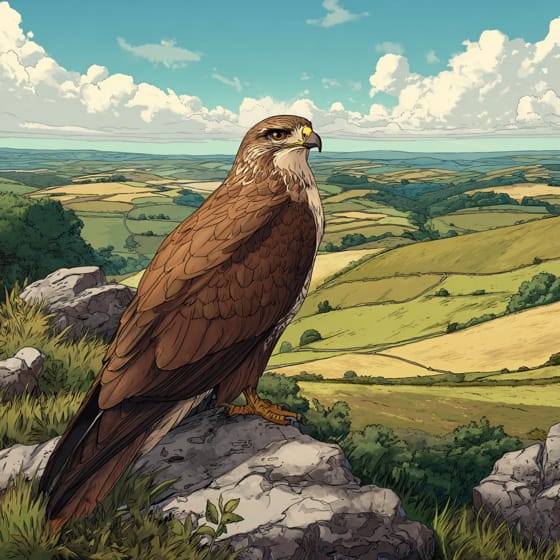
Buteo buteo
Preys on moles when they venture above ground.
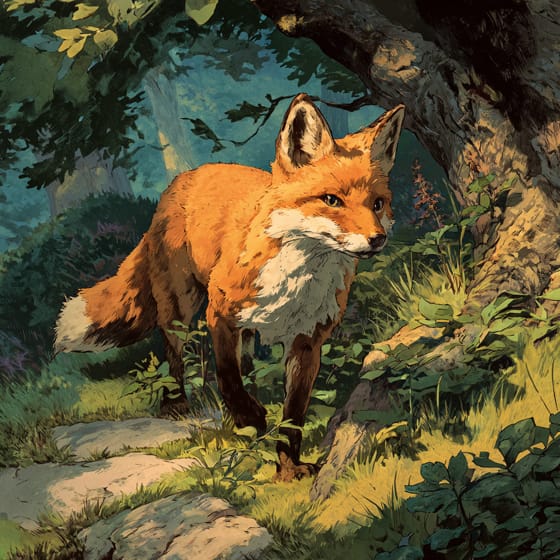
Vulpes vulpes
Hunts moles, especially young ones, near the surface.
Apodemus sylvaticus
Sometimes uses abandoned mole tunnels for shelter.
Wildlife encompasses all undomesticated animal and plant life existing in their natural habitats.
Furry describes animals possessing a dense covering of soft hair or fur.
Solitary animals live alone for most of their lives, only interacting with others for mating or parental care.
Burrowing animals dig tunnels and chambers in the ground, using these subterranean structures for shelter, hunting, or breeding.

This trait identifies organisms whose diet primarily consists of insects and other small invertebrates.

Forest habitats are terrestrial environments dominated by dense tree cover, supporting a high diversity of plant and animal life.

Nocturnal animals are primarily active during the nighttime hours, typically resting or sleeping during the day.
No aliases listed yet.
Danger
1/5 · Very low
Moles are not dangerous to people. It's best to watch them from a distance and let them dig in peace!
12-20 cm
0.07-0.13 kg
3-6 years
2 km/h
A mole loves to munch on juicy earthworms and other creepy crawlies found deep underground!
Moles like to live in gardens, fields, and forests where the soil is soft.
Foraging
2-7
Zoom in to split clusters and explore where this object has been snapped.

Bremen, DE
You might spot Black-Headed Gull and Lesser Black-Backed Gull.
View guide →
.jpg)
Ústí nad Labem Region, CZ
You might spot Great Spotted Woodpecker and Red-Crested Pochard.
View guide →

England, UK
You might spot Black Swan, Alder Leaf Beetle, and Wood Anemone.
View guide →