





Grizzly Bear
Ursus arctos horribilis
Grizzly bears are large, powerful bears with shaggy fur that can be brown, black, or even white. They love to swim, climb trees, and eat fish and berries.
Habitat: Forests, Mountain regions
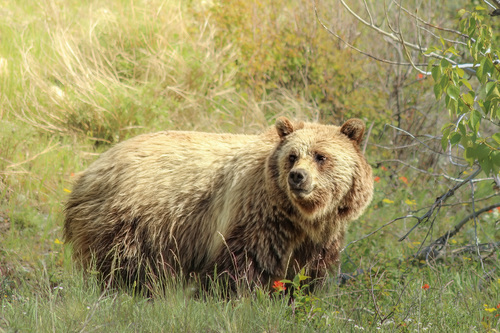
The Grizzly Bear has shaggy, often brown fur ranging from blonde to dark brown, with lighter tips giving it a 'grizzled' look. It is distinguished by a prominent shoulder hump and a dished-in face, unlike the straighter profile of black bears.
Category
MammalsRarity
Rare
Danger
5/5 · Extreme
Snaps
17
A grizzly bear's bite force is strong enough to crush a bowling ball!
A grizzly's famous shoulder hump is pure muscle for digging and strength!
Cubs stay with their mothers for up to three years, learning survival skills.
They can climb trees when young, but become too heavy when older.
Grizzly Bear can dig powerful dens and unearth roots because of its long, strong claws that act like shovels.
Grizzly Bear has an incredible sense of smell that helps them locate food from miles away, even under snow.
Grizzly Bear can snatch leaping salmon from rivers because of its quick reflexes and powerful jaws.
Grizzly Bear has massive strength that helps them push through dense forests and move large rocks.
A grizzly bear eats almost everything, from berries and roots to fish and even larger animals.
Age differences: Cubs start with milk, then learn to forage and hunt with their mother.
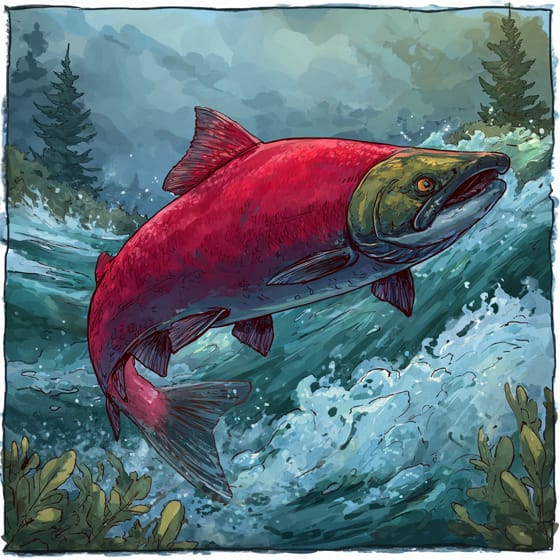
Oncorhynchus nerka
A primary food source during spawning season.
Vaccinium membranaceum
An essential food source providing energy for hibernation.
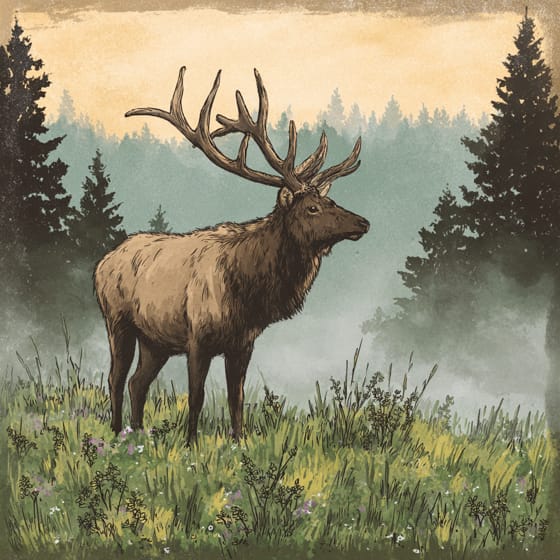
Cervus canadensis
Predates on calves and vulnerable adults.

Picea engelmannii
Uses dense forests for cover and denning sites.
Wildlife encompasses all undomesticated animal and plant life existing in their natural habitats.
Furry describes animals possessing a dense covering of soft hair or fur.
Social animals live in organized groups, cooperating for survival benefits such as foraging, defense, and raising offspring.
This trait identifies organisms whose diet includes both plant and animal matter.

This habitat trait identifies species found in mountainous regions, characterized by high elevation, steep slopes, and varying climate zones.

Forest habitats are terrestrial environments dominated by dense tree cover, supporting a high diversity of plant and animal life.

Describes a species whose presence and role have a disproportionately large effect on its environment.

Nocturnal animals are primarily active during the nighttime hours, typically resting or sleeping during the day.
No aliases listed yet.
Danger
5/5 · Extreme
Never approach a grizzly bear in the wild. If you see one, stay calm and slowly back away.
The easiest way to identify Grizzly Bear is to use the Snappit nature identifier app.
180-280 cm
180-400 kg
20-30 years
56 km/h
A grizzly bear eats almost everything, from berries and roots to fish and even larger animals.
Forests, Mountain regions
Foraging
Zoom in to split clusters and explore where this object has been snapped.
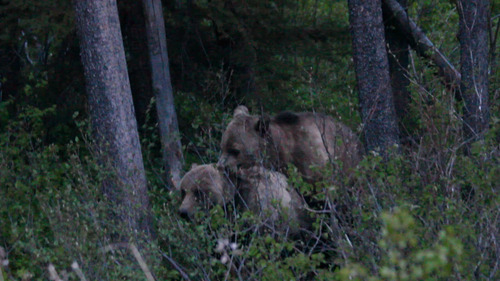
Jun 17, 2022
Sherburne Ranger Station Historic DistrictPhoto attribution
(c) Romain Boisseau, some rights reserved (CC BY-SA)
License: CC BY-SA 4.0 ↗
Image may be shown cropped inside the card frame.
Jun 17, 2022
Sherburne Ranger Station Historic DistrictPhoto attribution
(c) Romain Boisseau, some rights reserved (CC BY-SA)
License: CC BY-SA 4.0 ↗
Image may be shown cropped inside the card frame.

Alaska, US
You might spot Brown Bear, Common Merganser, and Sockeye Salmon.
View guide →

Montana, US
You might spot Black Bear, Brown Bear, and Moose.
View guide →
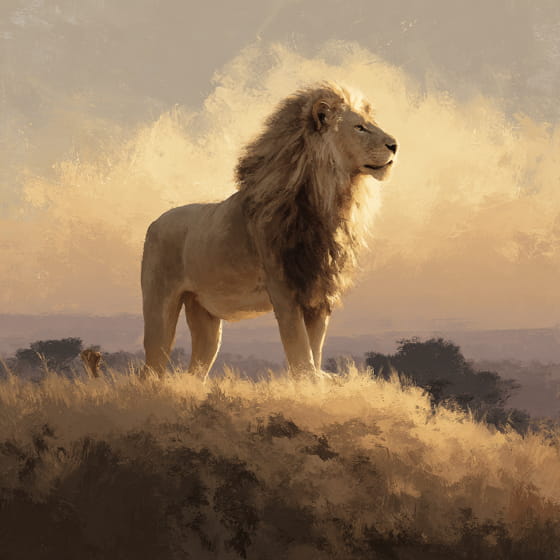
Ohio, US
You might spot African Lion, Tiger, and Snow Leopard.
View guide →

Wisconsin, US
You might spot Polar Bear, Grizzly Bear, and Harbor Seal.
View guide →
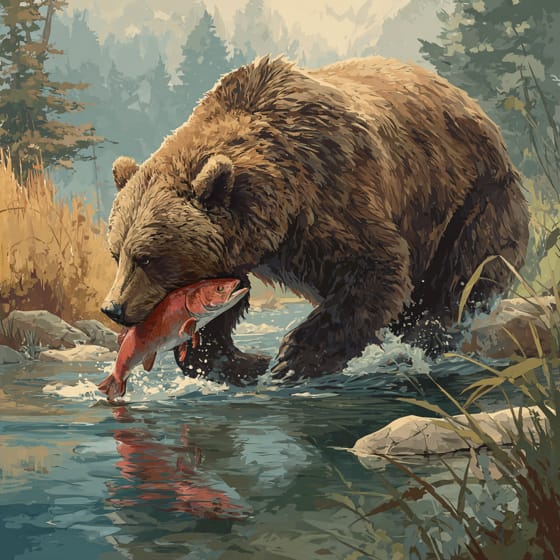
Tennessee, US
You might spot Grizzly Bear, Polar Bear, and African Elephant.
View guide →
Minnesota, US
You might spot Tiger, African Penguin, and Grizzly Bear.
View guide →
Take the discovery with you
Snap it with Snappit to identify it, learn what makes it special, and add the discovery to your collection.






.jpg&width=800)


.JPG&width=800)



.jpg&width=800)
