Wood Turtle
Glyptemys insculpta
The Wood Turtle is a special turtle with a bumpy shell. They love to wander through the woods and enjoy sunny spots.
Habitat: Forests near rivers
The Wood Turtle has a distinct, sculpted dark brown or grey shell with ridged, pyramid-shaped scutes, giving it a rough appearance. Its head, neck, and legs display vibrant orange-yellow markings against a dark background, making it visually unique.
Category
ReptilesRarity
Common
Danger
2/5 · Low
Snaps
Be the first to snap!
Each Wood Turtle's shell has unique patterns, like a fingerprint, to tell them apart!
They use strong claws to climb over logs and dig nests for their eggs.
Wood Turtles are famous for stomping their feet to make worms think it's raining!
Wood Turtles can remember specific locations within their large home territories.
Wood Turtles can stomp their feet on the ground, creating vibrations that trick hidden worms into surfacing.
The Wood Turtle has a rough, patterned shell that helps it blend perfectly with rocky stream beds and forest leaf litter.
Wood Turtles are equally adept at moving on land and swimming in water, allowing them to utilize diverse habitats.
This omnivore enjoys a varied diet of plants and small animals found both on land and in water.
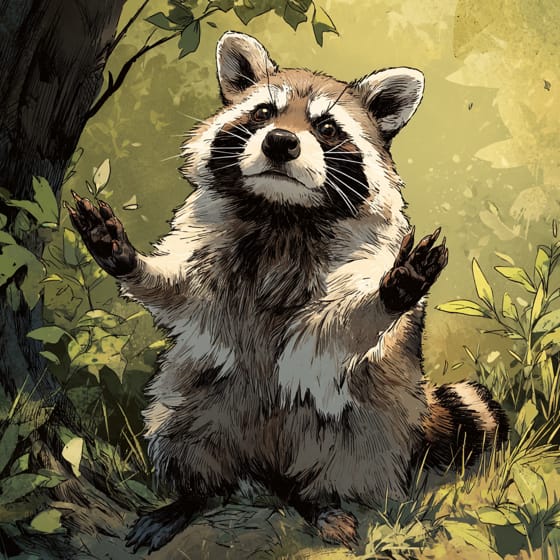
Procyon lotor
Raccoons often raid nests for turtle eggs.
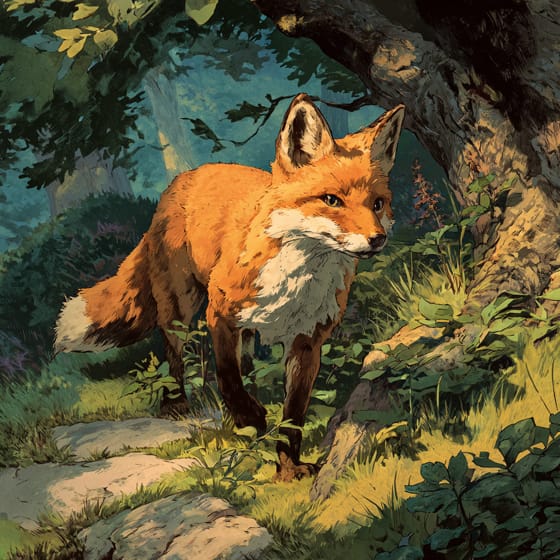
Vulpes vulpes
Foxes prey on young hatchlings and eggs.
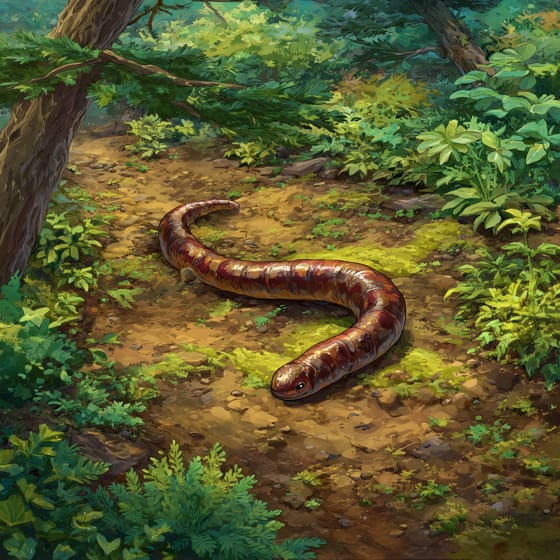
Lumbricus terrestris
A primary food, often lured out by foot stomping.
Rubus idaeus
Enjoys eating ripe berries during summer.
Social animals live in organized groups, cooperating for survival benefits such as foraging, defense, and raising offspring.
This trait identifies organisms whose diet includes both plant and animal matter.
This trait characterizes organisms whose diet consists entirely or primarily of plant material.
This trait signifies organisms belonging to a very old evolutionary group with ancestors dating back millions of years.

Forest habitats are terrestrial environments dominated by dense tree cover, supporting a high diversity of plant and animal life.

This trait characterizes organisms with an exceptionally long lifespan compared to others of their kind.

Armored describes animals protected by a hard, external covering or shell for defense.
Regenerative organisms possess the ability to regrow lost or damaged body parts, tissues, or organs.
Danger
2/5 · Low
Look but don’t touch. Keep a safe distance and wash hands after exploring.
14-25 cm
1-2.5 kg
40-60 years
1.5 km/h
This omnivore enjoys a varied diet of plants and small animals found both on land and in water.
Forests near rivers
Foraging
3-12
Zoom in to split clusters and explore where this object has been snapped.
Recent snaps will appear here as new observations are added.