


Eastern Mud Turtle
Kinosternon subrubrum
The Eastern Mud Turtle is a small turtle that loves to dig in the mud. They are very good at hiding from other animals!
Habitat: Mud flats and swamps
The Eastern Mud Turtle is a small turtle with a smooth, dark brown to olive-black shell. It has a light yellowish plastron and two distinct yellowish lines on either side of its head. Its appearance helps it blend into muddy environments.
Category
ReptilesRarity
Common
Danger
2/5 · Low
Snaps
Be the first to snap!
A mud turtle can live longer than your parents, sometimes over 30 years!
These turtles can often survive living in slightly salty, brackish water.
They can walk on the bottom of ponds instead of always swimming!
They have a super strong sense of smell to find hidden food underwater.
Eastern Mud Turtle can release a foul-smelling musk that helps deter predators when it feels threatened.
Eastern Mud Turtle has a hinged plastron that helps it partially close its shell for protection.
Eastern Mud Turtle can burrow into mud and estivate, helping it survive long dry periods.
An omnivore, it eats small insects, worms, snails, and aquatic plants found in mud.

Procyon lotor
Raccoons often prey on turtle eggs and young hatchlings.
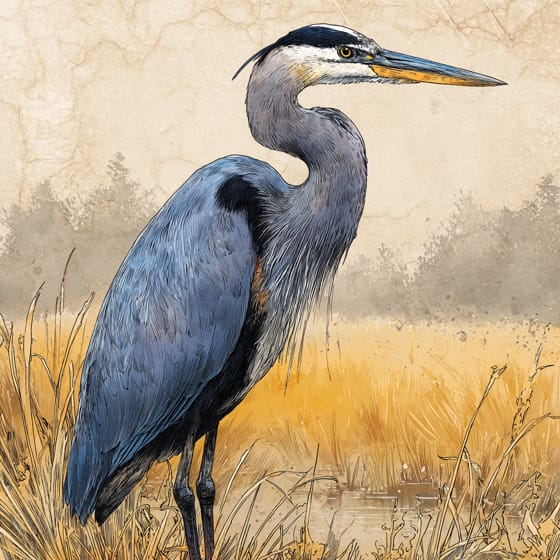
Ardea herodias
Large wading birds can snatch small turtles from shallow water.
Cambarus bartonii
Actively forages for small crustaceans like crayfish.
Lumbricus terrestris
Eats various worms and other soft-bodied invertebrates.
Wildlife encompasses all undomesticated animal and plant life existing in their natural habitats.
Characterized by having toes connected by a membrane, typically aiding in swimming.
This trait identifies organisms whose diet includes both plant and animal matter.
Burrowing animals dig tunnels and chambers in the ground, using these subterranean structures for shelter, hunting, or breeding.

Camouflaged describes organisms that possess coloring or patterns that allow them to blend into their environment.

Armored describes animals protected by a hard, external covering or shell for defense.

Freshwater habitats include non-saline aquatic environments such as rivers, lakes, ponds, and wetlands, vital for numerous species.

Nocturnal animals are primarily active during the nighttime hours, typically resting or sleeping during the day.
Danger
2/5 · Low
Look but don’t touch. Keep a safe distance and wash hands after exploring.
7.5-12.5 cm
0.1-0.3 kg
20-30 years
1 km/h
An omnivore, it eats small insects, worms, snails, and aquatic plants found in mud.
1.5 km/h
Mud flats and swamps
Foraging
Zoom in to split clusters and explore where this object has been snapped.
Recent snaps will appear here as new observations are added.