





Banded Krait
Bungarus fasciatus
The Banded Krait is a beautiful black and yellow snake that can be found near water. It is shy and prefers to stay hidden.
Habitat: Near water sources like rivers and lakes
The Banded Krait has a distinctive pattern of broad, alternating black and bright yellow or creamy-white bands along its entire body. Its head is broad and blunt, often with a V-shaped mark, and it has small, black eyes.
Category
ReptilesRarity
Rare
Danger
2/5 · Low
Snaps
Be the first to snap!
Its venom affects the nervous system, making it incredibly dangerous to its prey!
This krait has a triangular body shape with a noticeable ridge along its back, making it unique!
Unlike some snakes, it doesn't usually bite unless seriously provoked, preferring to hide its head!
Young kraits hatch from eggs looking just like smaller versions of their colorful parents!
Banded Krait can deliver powerful venom because of specialized fangs that inject neurotoxins and myotoxins to subdue prey.
Banded Krait has a special diet, mainly preying on other snakes, helping to control local reptile populations.
Banded Krait can hunt effectively after dark because it is most active at night, allowing it to ambush sleeping prey.
Banded Krait has bold black and yellow bands that help it blend into grassy terrain and dappled light when resting.
This snake is a specialist, mostly hunting and eating other snakes for its meals!
Ptyas mucosus
A common food source in its natural habitat.
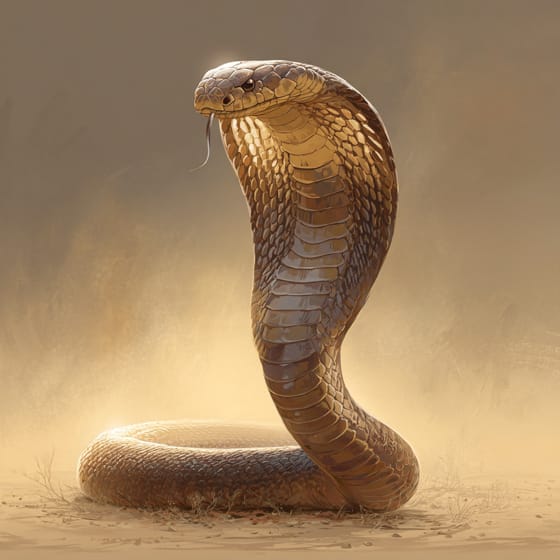
Naja naja
Preys on other venomous snakes, a unique dietary preference.
Hylarana tytleri
Supplements its diet with amphibians when available.
Wildlife encompasses all undomesticated animal and plant life existing in their natural habitats.
Camouflaged describes organisms that possess coloring or patterns that allow them to blend into their environment.
Piscivorous organisms are animals that primarily subsist on a diet of fish.
This habitat trait identifies species found in wetlands, which are areas of land saturated with water, either permanently or seasonally, including marshes, swamps, and bogs.

Nocturnal animals are primarily active during the nighttime hours, typically resting or sleeping during the day.

Venomous organisms produce toxins that are injected into another animal, typically through a bite or sting.
Danger
2/5 · Low
Look but don’t touch. Keep a safe distance and wash hands after exploring.
The easiest way to identify Banded Krait is to use the Snappit nature identifier app.
100-210 cm
1-3 kg
10-15 years
8 km/h
This snake is a specialist, mostly hunting and eating other snakes for its meals!
Near water sources like rivers and lakes
Ambush
Zoom in to split clusters and explore where this object has been snapped.
Recent snaps will appear here as new observations are added.
Take the discovery with you
Snap it with Snappit to identify it, learn what makes it special, and add the discovery to your collection.
















